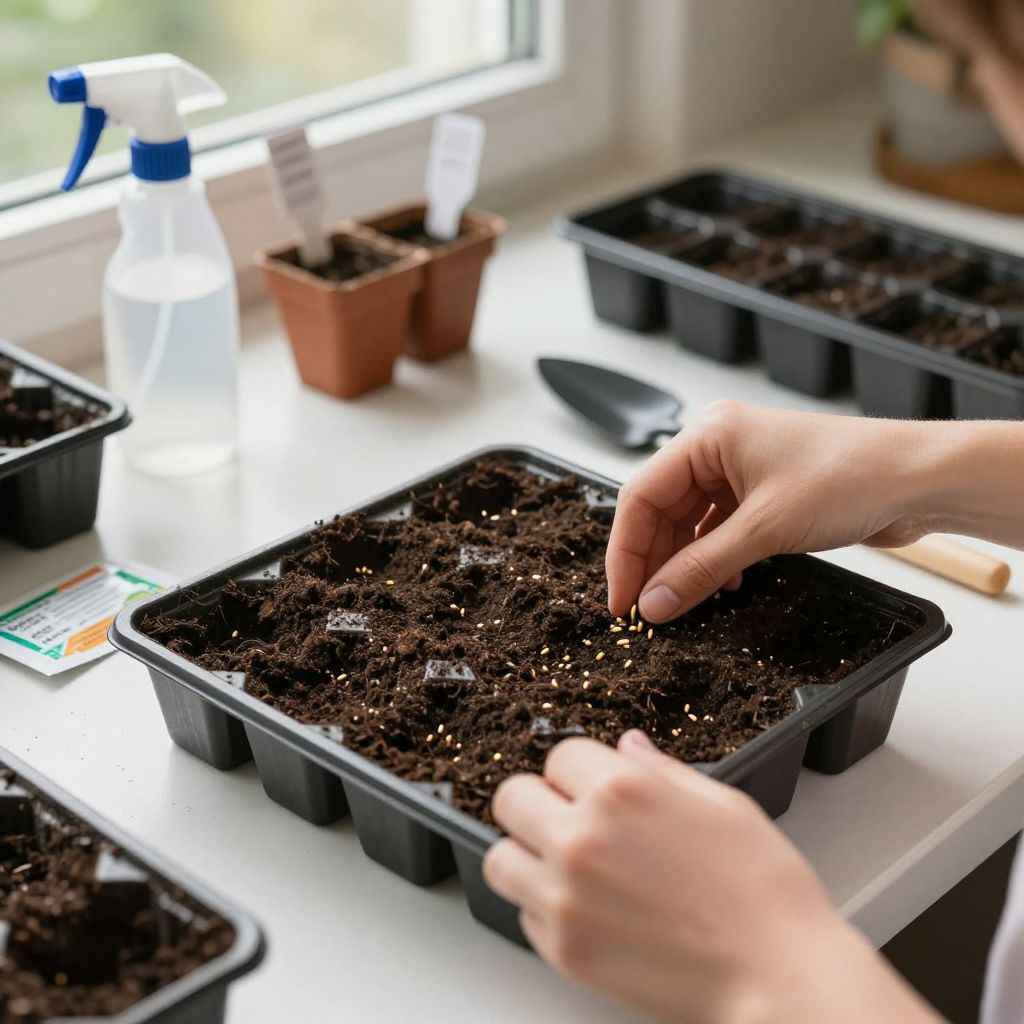
Wondering when to start marigold seeds indoors so you get sturdy transplants at the right time? The best timing depends on your last frost date and how fast your spring warms up. In most climates, marigolds are started indoors about 4 to 6 weeks before the last expected frost, then moved outside after frost danger has passed.
That window gives seedlings enough time to grow without becoming leggy or root-bound. Marigolds are fast growers, so starting them too early usually causes more problems than starting them a little late.
When To Start Marigold Seeds Indoors?
Start marigold seeds indoors 4 to 6 weeks before your area’s last expected spring frost. Sow them in a warm, bright spot, then transplant outdoors after nights stay reliably above freezing and the soil has warmed. In mild climates, you may not need indoor sowing at all and can direct sow later.
How to time marigold seeds by season
Marigolds are warm-season annuals, so timing matters more than the calendar date. Use your local frost dates as the guide, then adjust for your climate, indoor light, and transplanting conditions.
Cool climates with a short growing season
If your spring is slow to warm, starting indoors gives marigolds a head start. Sow seeds about 4 to 6 weeks before the last frost, but avoid starting them much earlier unless you can pot them up and keep them growing well.
Transplant only after frost risk is gone and the weather is settling into mild, sunny days. Cold soil and chilly nights can stall growth even if the seedlings look ready.
Mild climates and long growing seasons
If your area has a long frost-free season, you can often sow marigolds directly outdoors once the soil is workable and nights are consistently mild. Indoor starting is still useful if you want earlier blooms, but it is not always necessary.
In warm regions, the main concern is often heat rather than cold. Young marigolds establish best before intense summer temperatures arrive.
Indoor sowing versus direct sowing
- Start indoors if you want earlier flowers, have a short season, or need to protect seedlings from cold spring weather.
- Direct sow if your spring warms quickly, you have a long season, or you prefer simpler planting with less transplant handling.
- Avoid starting too early because marigolds grow fast and can become lanky indoors if held too long.
How to start marigold seeds indoors
Marigold seeds are easy for beginners, and they germinate quickly in warm conditions. Give them light, warmth, and a free-draining mix, and they usually sprout without much fuss.
- Fill seed trays or small pots with a fine, moist seed-starting mix.
- Sow seeds about 1/4 inch deep.
- Cover lightly with mix and water gently so the surface stays evenly moist, not soggy.
- Keep containers in a warm location, ideally around 70 to 75°F if possible.
- Move seedlings to bright light as soon as they emerge.
- Thin or transplant seedlings once they have a few true leaves.
Marigold seeds usually germinate quickly, often within a few days to a week when conditions are warm. Cooler rooms slow them down, so patience helps.
Best indoor conditions for seedlings
- Light: A bright south-facing window or grow light helps prevent stretching.
- Temperature: Warmth speeds germination and early growth.
- Drainage: Use containers with drainage holes to prevent damping off and root problems.
- Airflow: Gentle air movement helps stems grow stronger.
Choosing the right containers and soil
Marigolds do not need deep pots to start, but they do need a light, well-drained medium. Heavy garden soil is a poor choice indoors because it compacts easily and holds too much water.
A quality seed-starting mix is usually the safest option. It stays loose enough for roots to develop and drains well enough to reduce disease risk.
Container tips
- Use cell packs, small pots, or trays with drainage holes.
- Keep containers clean to reduce disease carryover.
- If you reuse pots, wash them before sowing new seeds.
If you plan to transplant into larger pots before moving outdoors, choose a container that gives roots room without staying wet for too long. Marigolds prefer balanced moisture, not constant saturation.
When to transplant marigold seedlings outdoors
Move marigold seedlings outside after the last frost date, when nights are consistently mild and the garden soil is warming up. Harden them off first by gradually exposing them to outdoor conditions over 7 to 10 days.
This step is important because indoor seedlings are tender. Sudden sun, wind, and temperature swings can scorch leaves or slow growth.
Hardening off made simple
- Place seedlings outdoors in a sheltered, shaded spot for a few hours on the first day.
- Increase their outdoor time a little each day.
- Introduce more sun and wind gradually.
- Bring them in if frost or a cold snap threatens.
When planting outside, space marigolds according to their mature size and air circulation needs. Good spacing helps reduce fungal issues and keeps plants blooming longer.
Growing conditions marigolds prefer
Marigolds bloom best in full sun and well-drained soil. They can tolerate average garden soil, but they perform better when the planting site does not stay wet after rain.
- Sunlight: Full sun is ideal for strong flowering.
- Soil: Loose, moderately fertile, and well-drained.
- Water: Even moisture while young, then moderate watering once established.
- Air circulation: Helps reduce disease and keeps foliage dry faster after rain.
If your soil is heavy clay, improve drainage before planting by working in compost and avoiding low spots where water collects. In containers, use a potting mix made for container plants rather than garden soil.
Common mistakes when starting marigold seeds indoors
Marigolds are forgiving, but a few common mistakes can weaken seedlings or delay flowering. Most problems come from starting too early, too wet, or too dark.
Starting too early
If you sow seeds too far ahead of transplant time, seedlings may outgrow their containers and become root-bound. They can also stretch if indoor light is weak.
Overwatering
Wet soil is one of the fastest ways to lose seedlings. Keep the mix moist, not saturated, and let the surface dry slightly between waterings.
Not enough light
Seedlings that lean or stretch are usually not getting enough light. Move them closer to a bright window or use grow lights if needed.
Skipping hardening off
Sudden outdoor exposure can shock tender seedlings. A gradual transition helps them adapt and keeps growth steady after transplanting.
Problems to watch for after planting
Once marigolds are in the garden, they are usually easy to manage, but young plants can still run into trouble if conditions are too wet, too cold, or too crowded.
Leggy seedlings
Leggy growth means the stems are stretching for light. Increase light intensity and avoid overcrowding the seedlings indoors. You can also transplant them a little deeper if the stems are sturdy enough.
Yellowing leaves
Yellow leaves can suggest overwatering, poor drainage, or nutrient imbalance. Check the soil first before adding fertilizer. If the roots are sitting in wet soil, improve drainage immediately.
Fungal disease
Damping off and other seedling diseases are more likely in cool, damp conditions with poor airflow. Use clean containers, sterile seed-starting mix, and careful watering to reduce risk.
Pests
Marigolds can sometimes attract aphids or spider mites, especially on stressed plants. Inspect the undersides of leaves and rinse pests off early before they multiply.
Can you direct sow marigolds instead?
Yes. In many gardens, direct sowing marigolds outdoors is simple and successful. Wait until frost danger has passed and the soil has warmed, then sow seeds where the plants will grow.
Direct sowing works well when you want to avoid transplanting or when indoor space is limited. The tradeoff is that flowering may start a little later than with indoor-started seedlings.
Direct sowing tips
- Sow seeds shallowly in prepared soil.
- Keep the seedbed evenly moist until seedlings emerge.
- Thin seedlings so they have room to mature.
- Protect very young plants from heavy rain and late cold snaps.
Keeping marigolds blooming all season
Once marigolds are established, a little maintenance keeps them flowering longer. Deadheading spent blooms encourages more buds, especially on bedding types grown for color.
Water at the base of the plant when possible, and avoid soaking the foliage late in the day. This helps reduce disease pressure and keeps the plants looking tidy.
- Remove faded flowers regularly.
- Pinch back leggy growth if plants become sparse.
- Watch for crowding as plants fill in.
- Mulch lightly outdoors to help conserve moisture and reduce weeds.
Quick timing checklist
- Find your average last frost date.
- Count back 4 to 6 weeks for indoor sowing.
- Keep seedlings warm and well lit.
- Harden off before transplanting.
- Plant outside only after frost danger has passed.
If you want more planting guidance after you’ve decided when to start marigold seeds indoors, check your local frost dates and prepare your seed trays now so you can sow at the right time. For more seasonal flower planning, you may also want to read about how to start seeds indoors and when to plant annual flowers.