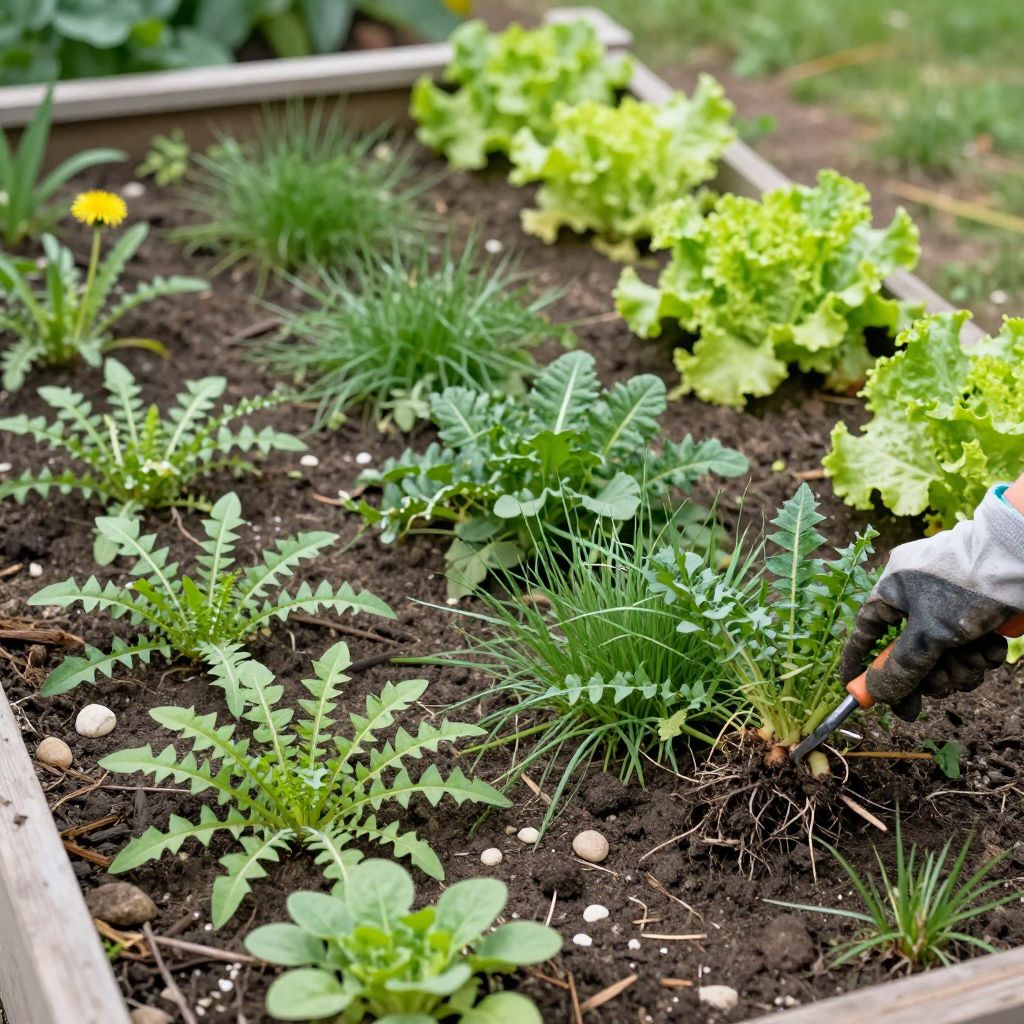
Why are weeds bad? In a garden, weeds are more than just an eyesore. They compete with your plants for water, light, nutrients, and space, and they can make beds harder to manage over time.
Some weeds also harbor pests and diseases, interfere with mowing or harvesting, and spread quickly if you let them flower and set seed. The good news is that most weed problems can be reduced with a few consistent habits and the right timing.
Why are weeds bad?
Weeds are bad because they reduce the resources your desired plants need to grow. They can shade seedlings, steal moisture and nutrients, crowd roots, and create extra work by spreading seeds. In lawns and beds, a few weeds left unchecked can quickly become a much larger maintenance problem.
How weeds damage a garden
They compete for water, nutrients, and sunlight
This is the biggest reason weeds cause trouble. Fast-growing weeds often germinate before your vegetables, flowers, or turfgrass and use up moisture and nutrients first.
Young plants are especially vulnerable because their roots are small and shallow. If weeds are established nearby, your plants may grow more slowly, bloom less, or produce smaller harvests.
They crowd out desirable plants
Weeds can form dense mats or tall clumps that physically block your plants. In vegetable beds, that means less air movement and less room for roots to expand. In borders, it can make perennials weak and uneven.
In lawns, weeds often create patches that break up the uniform look of the turf and make mowing less even.
They can harbor pests and diseases
Some weeds act as hosts for insects, fungal diseases, or viruses. Even if the weed itself looks harmless, it may support aphids, whiteflies, mites, or disease organisms that later move to your crops or ornamentals.
This is one reason weed control matters in vegetable gardens and around fruiting plants. A neglected weedy area can become a reservoir for recurring problems.
They make maintenance harder
Weeds increase the amount of time you spend watering, weeding, edging, mowing, and cleaning up beds. They also make it harder to see what is happening in the garden, so you may miss early signs of stress, pest damage, or poor drainage.
When weeds go to seed, the problem compounds. One weedy patch can produce hundreds or thousands of seeds that remain in the soil and germinate later.
Common causes of weed problems
Exposed soil
Bare soil is an open invitation to weeds. Weed seeds are already present in many gardens, and they germinate quickly when light reaches the surface.
Any area left uncovered after planting, pruning, or harvesting is likely to attract new weeds.
Disturbed soil
Digging, tilling, and frequent cultivation can bring buried weed seeds to the surface where they can sprout. While some soil disturbance is sometimes necessary, repeated deep digging often creates more weed pressure over time.
Thin or weak plantings
When plants are spaced too widely, planted in poor soil, or struggling from drought or shade, weeds move in. Healthy, well-established plants usually compete better than stressed ones.
Imported weeds from compost, mulch, or tools
Weed seeds can arrive in contaminated compost, poorly aged manure, straw, or even on muddy tools and shoes. If you use mulch or compost that contains viable seeds, you may be planting weeds along with your garden amendments.
Letting weeds set seed
This is one of the most common reasons weed problems keep returning. Once weeds flower and produce seed, you are no longer dealing with one plant—you are building next season’s weed bank in the soil.
How to control weeds effectively
Remove weeds early
The easiest weeds to control are small ones. Pull them when the soil is moist, and remove the roots whenever possible. Annual weeds are especially easy to stop if you catch them before they flower.
- Hand-pull after rain or watering for better root removal.
- Use a hoe for tiny seedlings in open soil.
- Remove weeds before they flower or form seed heads.
Mulch bare soil
Mulch is one of the best long-term weed controls for beds, trees, shrubs, and pathways. A 2 to 4 inch layer of organic mulch, such as shredded bark, leaf mold, or composted wood chips, helps block light and reduce germination.
Keep mulch a few inches away from stems and trunks so moisture does not sit against the plant base. In vegetable beds, use mulch after the soil has warmed and seedlings are established.
Use dense planting and ground cover
Healthy plant spacing can reduce weed space without overcrowding your plants. In ornamental beds, low ground covers and closely spaced perennials can shade the soil and limit weed seedlings.
In vegetable gardens, use succession planting, cover crops, or temporary mulches to keep soil covered between crops.
Water the plants you want, not the weeds
Drip irrigation and soaker hoses deliver water directly to roots and dry the spaces between plants more quickly than overhead watering. This can make weed seedlings less competitive, especially in beds and rows.
Avoid frequent shallow watering, which encourages both shallow-rooted crops and weeds to stay near the surface.
Prevent seed spread
If weeds have already gone to seed, bag and remove them if your local compost system cannot reliably heat up enough to kill seeds. Clean tools, mower decks, and shoes after working in weedy areas.
Do not compost mature weed seed heads unless you know your compost pile reaches and maintains high temperatures consistently.
Best weed-control strategies by garden area
Vegetable gardens
Vegetable beds are most productive when they stay weed-free during early growth. Seedlings and transplants need a head start because they are easily outcompeted.
- Mulch between rows once plants are established.
- Use shallow cultivation to avoid damaging crop roots.
- Check weekly so weeds never get large enough to seed.
Flower beds and borders
In ornamental beds, combine mulch, dense planting, and regular hand-weeding. Perennials and shrubs often benefit from a spring cleanup followed by a fresh mulch layer.
Watch for weeds emerging through gaps around new plants, where soil is still exposed.
Lawns
Weeds in lawns often signal thin turf, compacted soil, low mowing height, or poor drainage. A healthy lawn is the best weed prevention, because dense grass shades out many weed seedlings.
- Mow at the correct height for your grass type.
- Aerate compacted soil if needed.
- Overseed thin areas so grass can fill in.
- Fix drainage issues that leave wet, bare patches.
Paths, patios, and driveways
Weeds in cracks are usually a sign that debris and soil have collected there. Sweep regularly and remove seedlings before roots anchor deeply.
For gravel paths, a landscape fabric base and a topping layer can help, but weeds may still appear from windblown seed. Regular maintenance is still necessary.
Common mistakes to avoid
Waiting until weeds are large
Large weeds are harder to remove and more likely to have set seed. Small, frequent weeding is far easier than occasional major cleanups.
Leaving roots behind when it matters
Some perennial weeds can regrow from root pieces. If you are dealing with tough perennial weeds, remove as much of the root system as possible and monitor the area for regrowth.
Overcultivating the soil
Frequent deep digging can bring more weed seeds to the surface. Use shallow cultivation where possible, and rely on mulch and ground cover to reduce future germination.
Using the wrong mulch depth
Too little mulch does not block enough light; too much can smother shallow-rooted plants or keep stems too wet. Aim for a practical layer and adjust based on the plant and material used.
When weeds signal a bigger problem
Sometimes weeds are a clue that the site conditions need improvement. Persistent weeds in one area may point to compacted soil, poor drainage, too much shade, nutrient imbalance, or bare ground that never gets covered.
If weeds keep returning in the same spot, ask what is making that area favorable to them. Fixing the underlying condition often reduces weed pressure more effectively than repeated pulling alone.
Simple routine to keep weeds under control
- Walk the garden once a week and remove small weeds early.
- Keep soil covered with mulch, plants, or cover crops.
- Water deeply but less often, and target the plants you want.
- Clean up weeds before they flower or set seed.
- Revisit problem areas after rain, when weeds are easiest to pull.
Conclusion
Weeds are bad because they steal resources, spread quickly, and make every part of garden care harder. The best fix is a steady system: remove weeds early, cover bare soil, and keep your plants healthy enough to outcompete new growth.
If you want to improve your weed control further, a helpful next step is to read more about mulching for weed suppression and building healthier garden soil.