What flowers bloom in early spring? If you want color as soon as winter loosens its grip, the best choices are bulbs, hellebores, primroses, and a few hardy perennials that start growing before most plants wake up. The exact bloom time depends on your climate, but these plants are the most reliable way to get early-season flowers.
Success with early spring bloomers comes down to planting at the right time, giving them good drainage, and choosing species suited to your local weather. Some bloom through snow and cold snaps, while others need a little shelter and consistent moisture to perform well.
What flowers bloom in early spring?
Early spring flowers include snowdrops, crocus, winter aconite, glory-of-the-snow, hellebores, primroses, and early daffodils. In mild climates, pansies, violas, and some flowering shrubs also start early. The best plants for your garden depend on your winter temperatures, soil drainage, and how much sun your site gets.
Best early spring flowers for home gardens
Bulbs that flower first
Spring-flowering bulbs are often the earliest color in the garden because they store energy underground and bloom quickly when conditions warm.
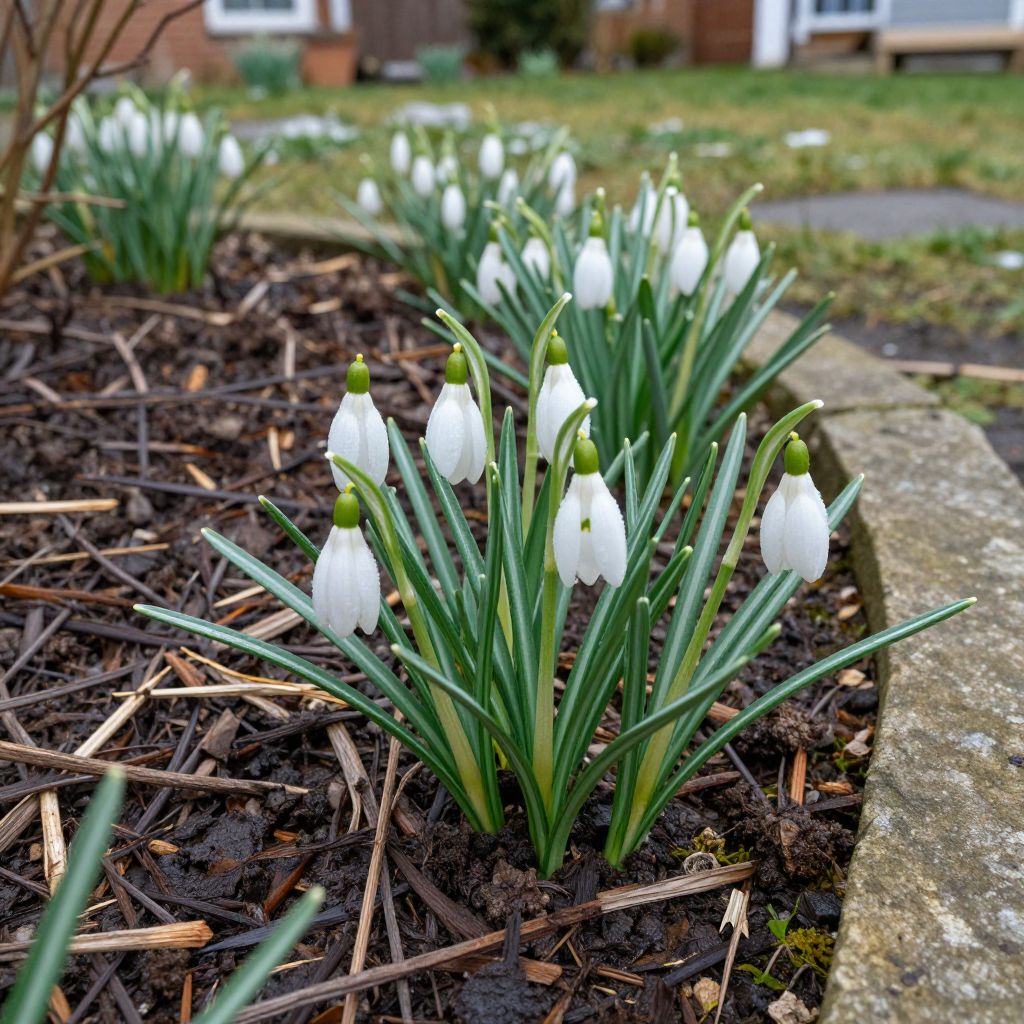
- Snowdrops (Galanthus) – very early, often blooming while snow is still present.
- Crocus (Crocus) – low-growing and bright, excellent in lawns, borders, and rock gardens.
- Winter aconite (Eranthis hyemalis) – yellow, cheerful, and one of the first signs of spring.
- Glory-of-the-snow (Chionodoxa or Scilla luciliae in some classifications) – small blue flowers that naturalize well.
- Early daffodils (Narcissus) – many varieties bloom in early spring, especially in cooler regions.
- Grape hyacinth (Muscari) – compact, dependable, and easy to grow in sun or light shade.
Perennials and woodland plants
These are especially useful if you want early flowers year after year with less replanting.
- Hellebores (Helleborus) – often bloom from late winter into early spring, depending on climate.
- Primroses (Primula) – prefer cool conditions and moist soil.
- Lungwort (Pulmonaria) – early flowers plus attractive foliage for shade gardens.
- Bergenia (Bergenia cordifolia) – tough, low-maintenance, and early blooming in many gardens.
- Brunnera (Brunnera macrophylla) – blue spring flowers for shade and part shade.
Annuals and cool-season bedding plants
In many regions, cool-season annuals can be planted for early color before summer heat arrives.
- Pansies and violas – tolerate cool weather and light frost better than warm-season annuals.
- English daisy (Bellis perennis) – compact and cheerful in containers or borders.
- Sweet alyssum (Lobularia maritima) – useful for edging and pollinator-friendly planting.
How to plant early spring flowers for the best bloom
Most early spring flowers do best in soil that drains well, gets enough light for the plant type, and is enriched with compost rather than heavy fertilizer. Plant bulbs in autumn, set perennials in spring or fall depending on your climate, and keep cool-season annuals protected from hard freezes.
Choose the right location
Early bloomers often grow in conditions that mimic woodland edges or open spring meadows.
- Full sun: crocus, daffodils, grape hyacinth, winter aconite, many pansies.
- Part shade: hellebores, primroses, brunnera, lungwort.
- Moist but well-drained soil: primroses and many woodland perennials.
If your soil stays soggy in winter or early spring, raised beds or container planting may work better than in-ground planting.
Improve the soil before planting
Good soil preparation matters more than extra fertilizer for most early spring flowers.
- Loosen the top 6 to 8 inches of soil.
- Mix in 2 to 3 inches of compost if the soil is poor or compacted.
- Check drainage by watering the area and seeing whether water disappears within a few hours.
- Avoid adding too much manure or high-nitrogen fertilizer, which can encourage leaves at the expense of flowers.
Drainage is critical for bulbs. Many spring bulbs rot in heavy, waterlogged soil long before they ever bloom.
Plant bulbs at the right depth
As a general rule, plant bulbs at a depth about two to three times their height. Set them pointy end up, firm the soil gently, and water once after planting if the soil is dry.
- Small bulbs like crocus and snowdrops usually go shallower than large daffodil bulbs.
- Space bulbs so they are not touching unless the planting guide says they can naturalize closely.
- Plant in drifts or clusters for a more natural look and better visual impact.
Plant perennials and cool-season annuals carefully
For hellebores, primroses, and other early perennials, set the crown at soil level unless the plant label says otherwise. For pansies and violas, plant at the same depth they were growing in the nursery tray.
After planting, water thoroughly, then keep the soil evenly moist while roots establish. Do not let the root zone dry out completely during active growth.
Seasonal care for early spring bloomers
Watering
Early spring weather can be deceptive. Rainy days may be followed by dry, windy spells that quickly dry out shallow roots and newly planted containers.
- Water new plantings when the top inch of soil feels dry.
- Containers dry out faster than garden beds and may need closer attention.
- Reduce watering once bulbs finish flowering and foliage starts to decline naturally.
Try to water at the base of the plant rather than overhead, especially for primroses and pansies, to help reduce leaf spotting and mildew.
Sunlight and temperature
Many early spring flowers bloom best in cool weather. Warm spells can shorten bloom time, especially for crocus, pansies, and primroses.
- In cooler climates, full sun is usually ideal for bulbs.
- In warmer climates, afternoon shade can help protect bloom quality.
- If a late frost is forecast, cover tender bedding plants overnight with frost cloth or a lightweight sheet.
Mulching
A thin layer of mulch helps conserve moisture and suppress weeds, but keep it from sitting directly against crowns or bulb shoots.
- Use 1 to 2 inches of fine bark, leaf mold, or composted leaf mulch.
- Leave a small gap around the base of perennials and bulbs.
- Remove heavy mulch from emerging shoots if it blocks growth.
How to keep early spring flowers blooming longer
Some early bloomers have a short display, but you can stretch the season by combining plants with different bloom times and by deadheading where appropriate.
Deadhead and tidy up
Remove faded flowers from pansies, violas, primroses, and some perennials to encourage continued blooming. For bulbs, let the foliage remain until it yellows naturally, because the leaves recharge the bulb for next year’s flowers.
Do not braid, tie, or cut bulb foliage too early. That is one of the most common reasons bulbs flower poorly the following season.
Feed lightly, if needed
Most early spring flowers do not need heavy feeding. A light top-dressing of compost in early spring is often enough for established beds.
- Use compost for general soil improvement.
- For containers, refresh the potting mix or use a balanced, slow-release fertilizer according to the label.
- Avoid overfeeding bulbs, which can lead to lush leaves and weak flowering.
Common problems and how to fix them
Flowers don’t bloom
If a plant grows leaves but no flowers, the cause is often too much shade, overcrowding, bulbs planted too shallowly or too deeply, or foliage removed too early the previous year.
- Move sun-loving plants to a brighter spot.
- Divide crowded clumps of perennials if flowering has declined.
- Let bulb foliage die back naturally.
Bulbs rot or disappear
This usually points to poor drainage, rodent damage, or planting in soil that stays wet through winter.
- Improve drainage with compost and raised planting areas.
- Use wire bulb baskets if squirrels, voles, or mice are a problem.
- Choose bulbs suited to your climate rather than forcing marginal varieties into unsuitable soil.
Leaves look spotted or distorted
Cool, damp weather can encourage fungal issues on primroses, pansies, and hellebores. Good spacing and airflow help a lot.
- Remove badly affected leaves.
- Water early in the day so foliage dries faster.
- Space plants so air can move between them.
Design ideas for a longer early spring display
The easiest way to enjoy early spring flowers for more than a few weeks is to layer plants by bloom time and height.
- Plant snowdrops and crocus beneath deciduous shrubs.
- Mix daffodils with later-blooming tulips for a longer bulb season.
- Use hellebores and brunnera in shaded borders for early structure.
- Add pansies or violas to containers and window boxes for instant color.
Try planting in groups of at least five to seven bulbs or several small plants together. Small clusters are easier to see and look more natural than single scattered plants.
When to plant early spring flowers
Timing depends on the plant and your climate. Spring-blooming bulbs are usually planted in fall, while many perennials and cool-season annuals are planted in spring as soon as the soil is workable.
- Fall planting: snowdrops, crocus, daffodils, grape hyacinth, winter aconite.
- Spring planting: pansies, violas, primroses, hellebores, and many container-grown perennials.
If you garden in a mild winter climate, some bulbs may also be planted later than in cold regions, but they still need enough chilling time to bloom well. Always check local recommendations for your area.
Conclusion
If you want to know what flowers bloom in early spring, start with reliable bulbs like crocus and daffodils, then add hellebores, primroses, and pansies for longer color. Focus on drainage, light, and gentle care, and you’ll get a much better display. For more seasonal planting ideas, consider reading about spring bulb planting and shade garden flowers.