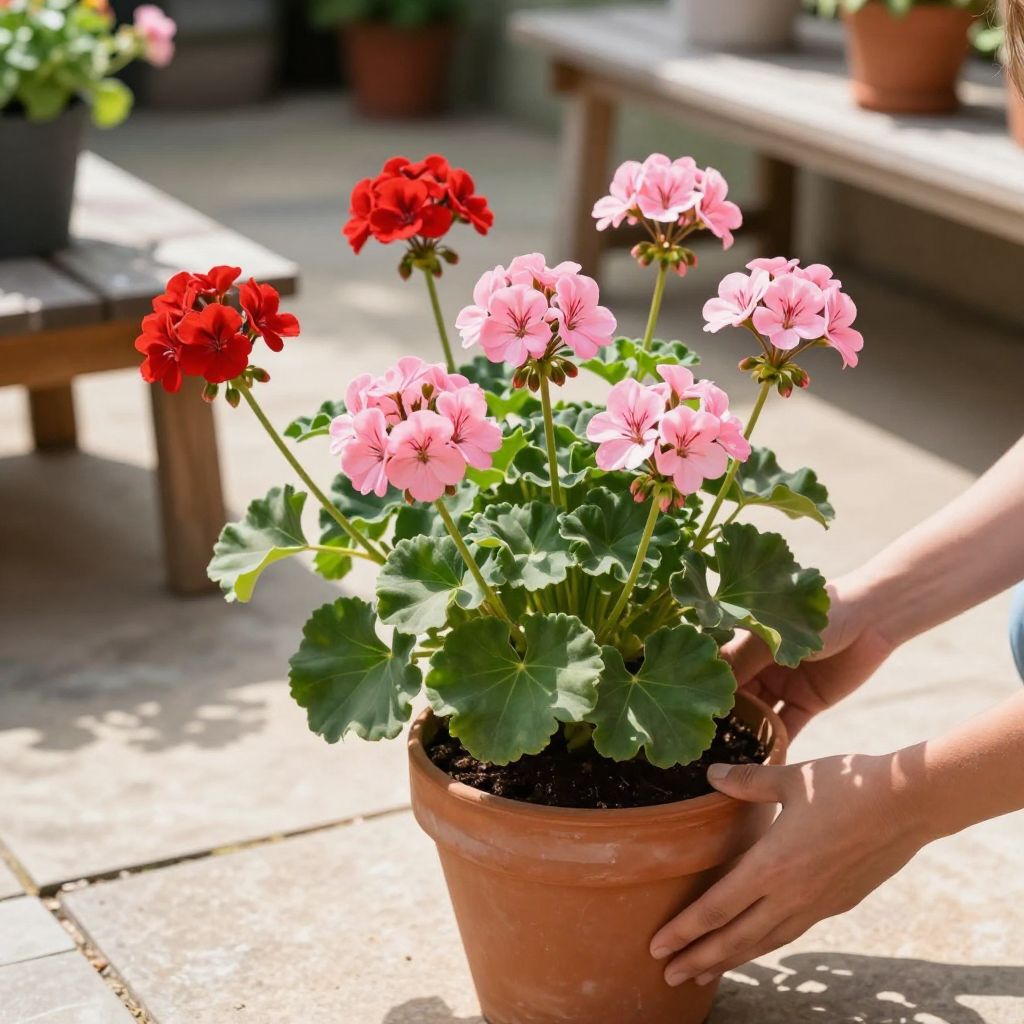
Do geraniums need full sun? For the best flower production, most garden geraniums do prefer plenty of light, but they do not always need blazing all-day sun. The right answer depends on the type of geranium, your climate, and whether the plant is growing in a pot or in the ground.
With the right balance of sun, water, and airflow, geraniums can bloom for a long season. Too little light leads to weak stems and fewer flowers, while too much intense afternoon sun can stress plants in hot regions.
Do geraniums need full sun?
Most geraniums grow best in full sun to partial sun, with about 6 or more hours of direct light each day. In cooler climates, full sun usually gives the best bloom display. In hot summer areas, morning sun with afternoon shade often keeps plants healthier and flowering longer.
How much sun geraniums really need
For many home gardens, the ideal setup is bright, direct morning sun and some protection from the harshest afternoon rays. That gives geraniums enough energy to flower well without overheating the foliage or drying the soil too quickly.
Light needs by growing situation
- Outdoor beds in mild climates: Full sun is usually best.
- Hot, dry climates: Morning sun and light afternoon shade often work better.
- Containers and hanging baskets: They may need more frequent watering if placed in full sun.
- Indoor geraniums: Need the brightest window you have, usually south- or west-facing, with several hours of direct light.
If your garden gets very intense summer heat, “full sun” can be too much for some geraniums, especially in pots. In those conditions, a little shade during the hottest part of the day can prevent leaf scorch and wilting.
What happens if geraniums do not get enough sun?
Geraniums in too much shade usually survive, but they often become leggy and bloom less. The stems stretch toward the light, leaves may stay large and soft, and flower clusters become sparse.
Signs your geranium needs more light
- Long, floppy stems with wide gaps between leaves
- Few flower clusters or delayed blooming
- Pale or dull foliage
- Plant leaning strongly toward a window or bright area
- Soil staying wet too long because the plant is using less water
If you see these symptoms, move the plant to a brighter location gradually. Sudden exposure to strong sun can scorch leaves that were grown in shade.
Can geraniums get too much sun?
Yes. In hot weather, especially in containers, geraniums can suffer from heat stress even if they technically like full sun. The issue is often not the light alone, but the combination of strong sun, hot air, dry soil, and reflected heat from patios or walls.
Signs of too much sun or heat
- Leaves curling or looking limp in the afternoon
- Brown, crispy edges or sunscald on leaves
- Flowers fading quickly
- Soil drying out too fast
- Plant stopping bloom production during extreme heat
When this happens, give the plant a little relief with afternoon shade, deeper watering, or a move to a cooler spot. A plant that gets morning sun and filtered afternoon light often performs better in summer than one baked all day.
Best growing conditions for healthy geraniums
Sunlight matters most, but geraniums also need good soil and sensible watering. A plant in perfect sun can still struggle if the roots stay soggy or the soil is too poor to support steady growth.
Soil and drainage
Geraniums prefer soil that drains well and does not stay waterlogged. In garden beds, improve heavy soil with compost to help structure and drainage. In pots, use a quality container mix rather than dense garden soil.
- Choose a site where water drains after rain.
- Mix compost into beds to improve texture and fertility.
- Use containers with drainage holes.
- Avoid low spots where roots may sit in water.
Watering basics
Geraniums like even moisture, but they dislike constantly wet soil. Water when the top layer of soil feels dry, then water thoroughly so moisture reaches the root zone. In full sun and windy weather, potted plants may need water more often than bed-grown plants.
Always check the soil first. Weather, pot size, plant size, and soil type all affect how quickly geraniums dry out.
Fertilizer and bloom support
Geraniums do not need heavy feeding, but they flower better with steady, moderate nutrition. Too much nitrogen can produce lots of leaves and fewer blooms. A balanced fertilizer or a compost-rich soil is usually enough for home gardens, depending on your soil and growing method.
How to place geraniums for the best light
Choosing the right spot is one of the easiest ways to improve flowering. Before planting, watch the area through the day so you know how much direct sun it actually gets.
Simple placement guide
- Observe the site in the morning, midday, and late afternoon.
- Count direct sun hours, not just brightness.
- Look for nearby walls, fences, trees, or overhangs that cast shade.
- In hot climates, prefer morning sun and afternoon protection.
- In cooler climates, choose the sunniest spot you have.
If you are growing geraniums in pots, the advantage is flexibility. You can move them to follow the best light through the season or shift them away from extreme heat waves.
Pruning and deadheading for better blooming
Sunlight helps geraniums bloom, but regular cleanup keeps them flowering longer. Removing spent blooms encourages new flower clusters, and light pruning helps the plant stay compact instead of becoming spindly.
What to remove
- Spent flower heads
- Yellowing lower leaves
- Weak, stretched stems
- Any damaged or diseased growth
If a geranium becomes leggy, trim back the stems to encourage branching. Make cuts just above a leaf node. This is especially helpful for plants that have outgrown a window or become sparse after a period of low light.
Indoor geraniums: do they need full sun?
Indoor geraniums need as much light as you can give them, but they usually do best with several hours of direct sun from a bright window. If you only have moderate light, they may survive but flower less reliably.
Indoor care tips
- Place plants in the brightest window available.
- Rotate the pot every week or so for even growth.
- Keep leaves from touching cold glass in winter.
- Watch for dry indoor air and water loss from heat vents.
If natural light is limited, indoor geraniums may become weak over time. In that case, supplementing with a grow light can help, especially during short winter days.
Common pests and diseases to watch for
Healthy sun exposure and airflow help reduce many problems, but geraniums can still attract pests or develop disease if conditions are too crowded or too wet.
Common issues
- Aphids: Cluster on tender growth and flower stems.
- Whiteflies: Small insects that flutter when disturbed.
- Spider mites: More common in hot, dry conditions.
- Botrytis and other fungal problems: More likely when plants stay damp and crowded.
Good spacing, morning watering, and removing old leaves all help. If a plant is packed too tightly against others, airflow drops and disease risk rises, especially after rain or overhead watering.
How to tell whether your geranium is getting the right amount of sun
The best geraniums usually have sturdy stems, rich green leaves, and steady flower production. They should look compact, not stretched, and they should recover well after warm afternoons.
Quick diagnosis
- Too little sun: Leggy growth, fewer blooms, leaning stems.
- Good sun: Compact plant, regular buds, strong color.
- Too much heat: Wilting, scorched edges, fast-drying soil.
When in doubt, adjust gradually. Move plants a little at a time so they can adapt without shock.
Practical mistakes to avoid
Many geranium problems come from placement mistakes rather than the plant itself. A little planning can prevent most of them.
- Planting in deep shade and expecting heavy bloom
- Putting pots in full sun without enough water access
- Using heavy, poorly draining soil
- Overwatering because the plant is in a hot spot
- Skipping deadheading and letting the plant get leggy
- Moving a shaded plant into intense sun all at once
Conclusion: the best sun strategy for geraniums
So, do geraniums need full sun? Usually they need at least several hours of direct sun, but not necessarily all-day heat. In cooler regions, full sun is ideal. In hot climates, morning sun with afternoon shade often gives the best balance of flowers and plant health.
Check your site, watch how the light changes through the day, and adjust as needed. If you want, start by moving one plant to a brighter spot and see how it responds over the next few weeks.
For more practical flower-growing advice, you may also want to read about how to deadhead flowers for longer blooming and choosing the best soil for container plants.