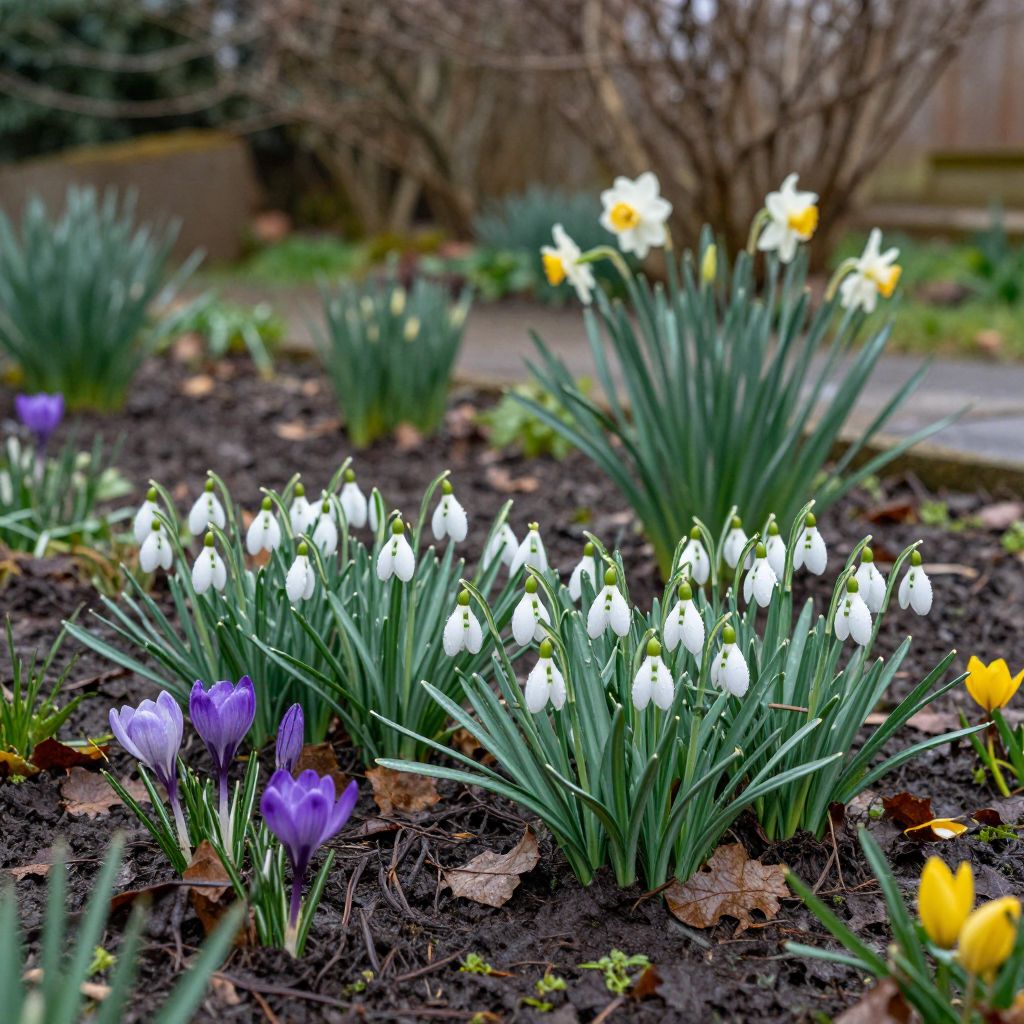
Wondering what flowers bloom in early spring? The best choices are hardy, cool-season plants that can handle chilly nights and variable weather, such as crocus, snowdrops, hellebores, daffodils, and primroses. Some bloom from bulbs planted in fall, while others are perennials or annuals that start flowering as soon as temperatures begin to rise.
If you want color early in the year, success comes down to choosing the right plants and giving them good drainage, enough light, and protection from late frosts. Early spring bloomers often look delicate, but many are tougher than they seem when planted in the right spot.
What flowers bloom in early spring?
Early spring flowers include bulbs and perennials that flower as soon as soil begins to warm, often before trees leaf out. Common choices are crocus, snowdrops, winter aconite, hellebores, daffodils, grape hyacinth, primroses, and pansies. In mild climates, some may bloom very early; in colder areas, they may wait until snow melts and days lengthen.
Best early spring flowers for home gardens
Bulbs that bloom first
- Crocus (Crocus spp.) – one of the earliest flowers, often appearing through the last patches of snow.
- Snowdrops (Galanthus spp.) – tiny white blooms that thrive in cool, moist, well-drained soil.
- Winter aconite (Eranthis hyemalis) – bright yellow flowers that prefer woodland-like conditions.
- Grape hyacinth (Muscari spp.) – compact, dependable, and easy to naturalize.
- Daffodils (Narcissus spp.) – not always the first to bloom, but a classic early spring display in many gardens.
Perennials and cool-season bloomers
- Hellebores (Helleborus spp.) – long-lasting flowers that often open in late winter to early spring.
- Primroses (Primula spp.) – colorful and useful in partially shaded beds.
- Pansies and violas (Viola spp.) – cool-weather annuals that can bloom for a long stretch in spring.
- Forsythia (Forsythia spp.) – a flowering shrub that signals spring with bright yellow blossoms.
- Flowering quince (Chaenomeles spp.) – a tough shrub with vivid early blooms.
How to plant early spring flowers for the best bloom
Most early spring bloomers perform best when planted in autumn, especially bulbs. That gives them time to root before winter, so they can flower as soon as conditions improve. If you’re planting nursery-grown perennials or spring annuals, wait until the soil is workable and not waterlogged.
- Choose the right site. Most early bloomers like full sun to partial shade. In hot climates, morning sun with afternoon shade often works better.
- Check drainage. Bulbs and hellebores dislike soggy soil. If water pools after rain, improve the bed or use raised planting areas.
- Prepare the soil. Mix in compost to improve structure and fertility, especially in poor or compacted soil.
- Plant at the correct depth. As a general rule, bulbs are planted about two to three times as deep as the bulb is tall.
- Water after planting. Give the soil a thorough soak to settle roots, then keep it lightly moist until established.
Soil and compost basics
Early spring flowers usually do best in soil that drains well but still holds some moisture. A few inches of compost worked into the top layer can help sandy soil retain water and can loosen heavy clay. Avoid burying bulbs in dense, wet soil, which can lead to rot.
Sunlight needs
Many early bloomers flower before deciduous trees fully leaf out, so they often enjoy more sun in early spring than they will later in the season. That makes them ideal for woodland edges, borders under shrubs, and open beds that get strong spring light.
Care tips through late winter and spring
Once flowers appear, the main job is to keep plants healthy without overdoing it. Cool weather slows evaporation, so early spring gardens often need less water than summer beds, but they should never be allowed to dry out completely during bud and bloom.
Watering
- Water when the top inch or two of soil feels dry.
- Water deeply rather than giving frequent light sprinkles.
- Avoid wetting flowers and leaves in cool, damp weather if disease is a concern.
Mulching
A light mulch can help conserve moisture and reduce weeds, but keep it from touching stems and bulb necks. A 2- to 3-inch layer of shredded leaves, compost, or fine bark is usually enough. Too much mulch can trap moisture and delay soil warming.
Deadheading and pruning
Remove faded flowers from pansies, primroses, and daffodils if you want a tidier look. For bulbs, leave the foliage in place until it yellows naturally, because the leaves recharge the bulb for next year’s bloom. Cutting green leaves too soon is a common mistake.
Common problems with early spring flowers
Frost damage
Late frosts can brown petals or flatten tender blooms. Most hardy early spring flowers recover, but damaged blossoms may not look perfect. If a cold snap is forecast, cover vulnerable annuals or newly planted flowers with frost cloth or a lightweight sheet overnight.
Poor blooming
If bulbs or perennials produce lots of leaves but few flowers, the cause is often too much shade, overcrowding, or planting too shallow or too deep. Bulbs also need time to settle in; some species bloom better in their second year after planting.
Rot and soggy soil
Yellowing, soft bulbs or collapsing stems often point to poor drainage. Improve the bed before replanting, and avoid watering heavily in cool, rainy periods. In containers, make sure pots have drainage holes and use a free-draining potting mix.
Pests
- Squirrels and rodents may dig up newly planted bulbs.
- Aphids can cluster on tender new growth.
- Slugs and snails may chew leaves in damp weather.
Use physical barriers, clean up plant debris, and inspect plants regularly. For bulbs, planting at the correct depth and covering the soil well can reduce digging. For aphids, a strong spray of water often helps on small infestations.
Container growing for early spring color
If your garden soil is heavy, or if you want flowers near a doorway or patio, containers are a great option. Use a pot with drainage holes and a mix designed for containers, not garden soil. Early spring flowers in pots usually need more frequent watering than those in the ground.
Good container choices
- Pansies and violas for long color.
- Mini daffodils and crocus for bulbs in layered displays.
- Primroses for bright shade or part shade.
- Hellebores in larger containers where winters are not extreme.
In colder regions, pots can freeze more quickly than garden beds. If you overwinter bulbs in containers, place them where they are sheltered from harsh wind and repeated freeze-thaw cycles.
How to extend the bloom season
You can keep early spring color going by combining plants with slightly different bloom times. For example, crocus may open first, followed by snowdrops, then daffodils and primroses. Mixing bulbs with perennials and cool-season annuals gives you a longer display and helps fill gaps as one plant finishes and another starts.
- Plant in layers for staggered bloom times.
- Choose a mix of sun and part-shade plants if your yard has varied light.
- Include both bulbs and perennials so the bed has structure after flowering.
- Leave room for foliage to mature and feed the bulbs for next year.
What to do after early spring flowers finish
After flowering, let the foliage of bulbs stay in place until it naturally yellows. This is especially important for daffodils, crocus, and grape hyacinth. You can trim back spent flower stalks, but resist the urge to tidy everything too quickly.
For perennials like hellebores and primroses, remove damaged leaves and divide crowded clumps only when the plant is actively growing and conditions are mild. If you want more plants, many early spring bloomers can be divided or allowed to self-seed, depending on the species.
Simple seasonal checklist
- Plant bulbs in fall in well-drained soil.
- Choose a site with enough spring light.
- Water newly planted flowers until established.
- Protect tender blooms from late frost when needed.
- Deadhead spent flowers, but leave bulb foliage until it yellows.
- Watch for rot, aphids, slugs, and digging pests.
If you want more ideas for timing and plant selection, it can help to read about spring bulbs and how to plant them and container gardening for cool-season flowers. Start with one small bed or pot, and you can build a reliable early spring display year after year.