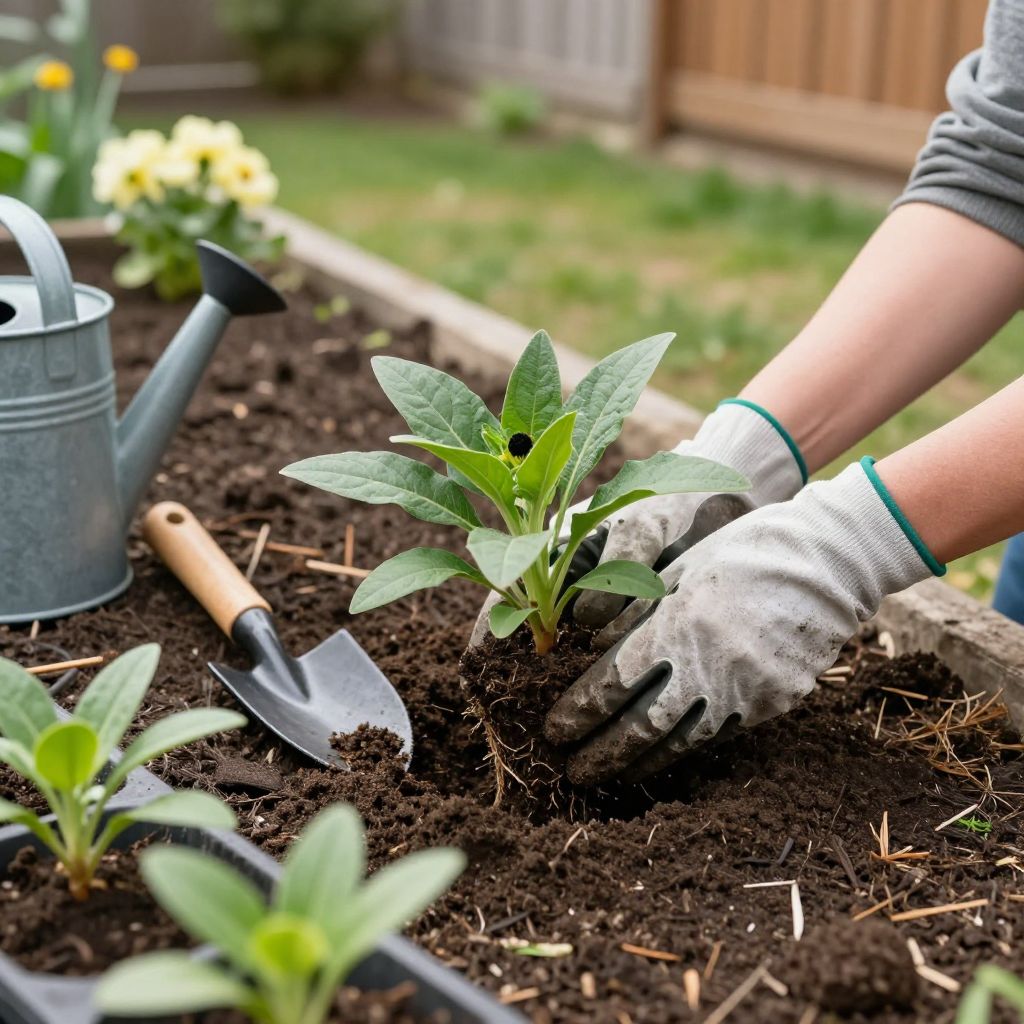
Wondering when to plant Black Eyed Susans so they settle in quickly and bloom well? Timing matters because these cheerful perennials and short-lived perennials respond best when soil is workable, moisture is reliable, and temperatures are moderate.
The best planting time depends on whether you’re starting from seed, transplants, or divisions. With the right timing and a sunny, well-drained site, Black Eyed Susans are usually easy to establish and rewarding for pollinators, borders, and low-maintenance gardens.
When To Plant Black Eyed Susans?
Plant Black Eyed Susans in spring after the last frost or in early fall in mild climates, giving roots time to establish before heat or hard freeze. Seeds can also be started indoors 6 to 8 weeks before your last frost date, then transplanted outdoors once conditions are steady.
Best planting time by method
Planting from seed
Black Eyed Susan seeds are often best sown outdoors in spring after frost danger has passed and the soil is warming. In many regions, a fall sowing can also work if winters are not severe and the seed can experience natural cold exposure.
If you start seeds indoors, begin about 6 to 8 weeks before your local last frost date. Use bright light and keep seedlings from getting leggy so they transplant well.
Planting nursery transplants
Transplants are easiest in spring or early fall. Spring planting gives the plant a full season to root in before winter, while fall planting works well where autumn stays mild and soil remains workable for several weeks.
Avoid planting during extreme summer heat unless you can water consistently. Newly planted Black Eyed Susans struggle more when roots are trying to establish in hot, dry weather.
Planting divisions
If you are dividing established clumps, do it in early spring as new growth starts or in early fall after blooming slows. Division is a good way to rejuvenate crowded plants and keep them vigorous.
What growing conditions do Black Eyed Susans need?
Black Eyed Susans grow best in full sun and well-drained soil. They tolerate average garden soil and are fairly drought-tough once established, but they perform better with consistent moisture during the first growing season.
- Sunlight: At least 6 hours of direct sun daily is ideal.
- Soil: Average to moderately fertile soil is usually enough.
- Drainage: Good drainage is important; soggy soil can cause root problems.
- Airflow: Space plants well to reduce disease pressure.
If your soil stays wet after rain, improve drainage before planting by choosing a raised bed, mixing in compost, or moving the planting site. These plants dislike constantly saturated ground.
How to plant Black Eyed Susans successfully
Step-by-step for transplants
- Choose a sunny site with loose, well-drained soil.
- Work in a small amount of compost if the soil is poor or compacted.
- Dig a hole as deep as the root ball and slightly wider.
- Set the plant so the crown sits level with the surrounding soil.
- Backfill gently and firm the soil lightly around the roots.
- Water thoroughly to settle the soil.
- Mulch lightly, keeping mulch a few inches away from the crown.
Step-by-step for seeds
- Prepare a weed-free, sunny bed with fine, loose soil.
- Scatter seeds thinly or sow them in shallow rows.
- Press seeds into the soil surface, then cover very lightly if needed.
- Keep the area evenly moist until germination.
- Thin seedlings so mature plants have room to spread.
Many Black Eyed Susan seeds need light to germinate well, so do not bury them deeply. A very light covering of soil or fine compost is usually enough.
How far apart should you space them?
Spacing depends on the specific type and mature size, but many garden varieties do well with about 12 to 18 inches between plants. Larger selections may need more room. Good spacing helps airflow, reduces mildew, and gives each plant space to bloom fully.
If you are planting a mass display, check the tag or seed packet for mature width and avoid crowding. Overcrowded plants are more likely to flop, mildew, or bloom less heavily.
Seasonal tips for different climates
Cooler climates
In colder regions, spring planting is usually safest. Wait until frost risk has passed and the soil is no longer cold and waterlogged. Fall planting can work only if there is enough time for roots to establish before the ground freezes.
Mild climates
In areas with long, mild autumns, fall is often excellent for transplants or divisions. The cooler weather reduces stress, and roots can grow without the pressure of summer heat.
Hot, dry climates
Spring planting is usually better than fall if autumn remains very warm. Give new plants extra water during establishment and mulch lightly to reduce moisture loss. Afternoon shade is not ideal for flowering, so choose a site with strong sun and plan for irrigation instead.
Watering and feeding after planting
Water newly planted Black Eyed Susans deeply right after planting and keep the soil evenly moist for the first few weeks. After that, water when the top inch or two of soil begins to dry, especially during hot spells.
Once established, they usually need less frequent watering. Overwatering is a common mistake and can lead to weak growth, root rot, or fewer flowers.
Fertilizer is usually unnecessary in average garden soil. Too much nitrogen can create leafy growth with fewer blooms. If your soil is poor, a light topdressing of compost in spring is often enough.
Pruning, deadheading, and maintenance
Should you deadhead Black Eyed Susans?
Yes, deadheading can extend bloom time and keep plants tidier. Remove spent flowers regularly if you want more blooms through the season. If you want seeds for birds or natural reseeding, leave some flower heads in place later in the year.
Cutting back and cleanup
At the end of the season, you can cut back the stems after flowering is finished, or leave some seed heads for winter interest and wildlife. In spring, remove dead stems before new growth starts.
If plants become floppy, cut them back lightly after the first flush of bloom. This can encourage a tidier shape and sometimes a second round of flowers.
Common problems and how to fix them
Poor blooming
Too little sun is a common reason Black Eyed Susans bloom poorly. Move them to a brighter site if possible. Crowding, excessive nitrogen, and planting too late in the season can also reduce flowering.
Powdery mildew
Powdery mildew can appear in humid conditions or when plants are crowded. Improve spacing, water at the base instead of overhead, and remove badly affected foliage if needed. Good airflow is one of the best prevention tools.
Root rot and soggy soil
If plants wilt despite moist soil, the roots may be struggling in poorly drained ground. Replant in a better-drained site or raised bed. Black Eyed Susans do not like sitting in wet soil for long periods.
Leggy seedlings
Seedlings grown indoors often stretch if they do not get enough light. Use a bright window or grow light and keep seedlings close to the light source. Harden them off gradually before moving them outside.
How to propagate and keep plants going
Black Eyed Susans can be propagated by seed, division, or self-seeding depending on the type and growing conditions. If you want to maintain a particular look, division is often more reliable than saving seed from mixed plantings.
- By seed: Best for large plantings and naturalized areas.
- By division: Best for keeping established clumps vigorous.
- By self-seeding: Useful in informal gardens, but seedlings may appear where you did not expect them.
To manage self-seeding, deadhead most flowers but leave a few seed heads if you want natural spread. Pull unwanted seedlings early before they become difficult to move.
Good companion uses in the landscape
Black Eyed Susans fit well in pollinator gardens, cottage-style borders, meadow plantings, and mixed perennial beds. Their bright yellow flowers pair nicely with grasses, coneflowers, salvia, and other sun-loving plants that appreciate similar conditions.
They also work well in low-maintenance areas where you want long-lasting color without demanding care. Just remember that they still need sun, drainage, and enough room to breathe.
Final planting advice
If you want the best results, plant Black Eyed Susans when the weather is moderate, the soil drains well, and roots have time to establish before stress hits. For most gardeners, that means spring after frost or early fall in mild climates.
Before you plant, check your local frost dates, choose a sunny spot, and prepare the soil lightly. For more seasonal flower-growing guidance, you may also want to read about Black Eyed Susan care and growing Black Eyed Susans from seed.