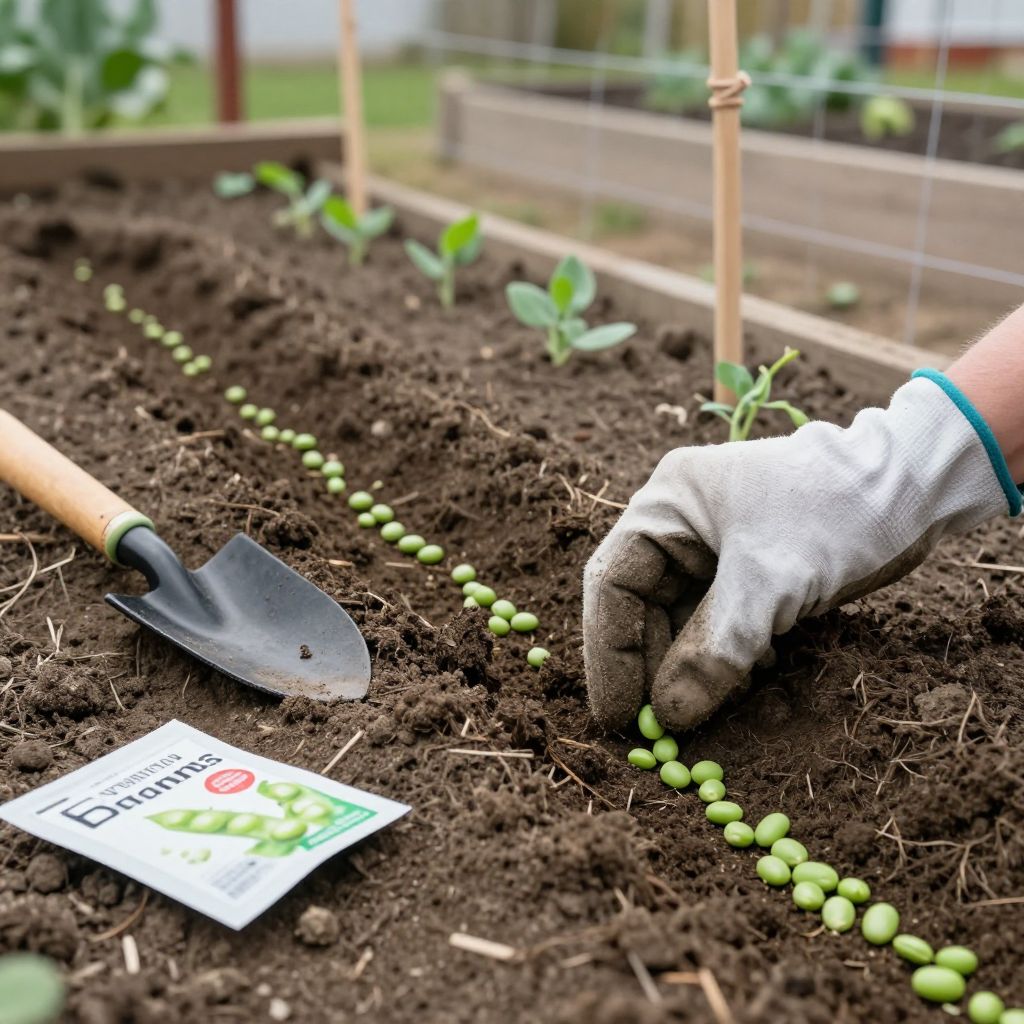
Wondering when to plant sugar snap peas so they germinate well and produce a strong crop? Timing matters because sugar snap peas prefer cool weather and can struggle once temperatures climb. Plant too early in cold, soggy soil and seeds may rot; plant too late and the vines can flower poorly in heat.
The good news is that sugar snap peas are one of the easiest spring crops to time correctly. With the right soil temperature, good drainage, and a quick support system, you can get a reliable harvest of crisp pods in a relatively small space.
When to plant sugar snap peas?
Plant sugar snap peas in early spring as soon as the soil can be worked and is around 45–60°F, or about 7–16°C. In mild climates, you can also sow them in late summer or early fall for a cool-season harvest. The key is to give them cool weather while they germinate and flower.
Best planting time by season
Spring planting
Spring is the main planting window for sugar snap peas in most gardens. Sow seeds as soon as the ground is no longer waterlogged and can be loosened without sticking together in clumps.
In many regions, that means planting a few weeks before your last expected frost date. Peas tolerate light frost and even prefer cool conditions, so do not wait for warm weather.
Fall planting
In areas with long, mild autumns, a late-summer or early-fall sowing can work well. The plants need enough time to grow and flower before hard freezes arrive, but they should also mature in cool weather rather than summer heat.
Fall planting is most successful where early frosts are slow to arrive and autumn days stay cool enough for flowering and pod set.
Why timing matters
Sugar snap peas are cool-season legumes. They germinate best in cool soil, grow quickly in moderate temperatures, and often decline when days become hot and dry. If you plant them too late in spring, the plants may produce fewer pods and finish quickly.
For the best crop, aim for cool soil at planting and cool weather during flowering.
How to tell if your soil is ready
You do not need perfect conditions, but you do need soil that is workable and not soggy. If a handful of soil forms a sticky ball that stays muddy, wait a few days. If it crumbles and drains reasonably well, it is likely ready.
- Soil temperature: roughly 45–60°F is ideal for sowing.
- Drainage: avoid low spots where water stands after rain.
- Texture: loose, friable soil helps seedlings emerge evenly.
If your soil is heavy clay, raised beds or slightly mounded rows can improve drainage and help seeds sprout more reliably.
How to plant sugar snap peas for strong germination
- Choose a sunny site with at least 6 hours of light.
- Loosen the soil to a depth of about 8–10 inches.
- Mix in compost if the soil is low in organic matter.
- Sow seeds about 1 to 1½ inches deep.
- Space seeds 1 to 2 inches apart in rows or bands.
- Water gently after planting to settle the soil.
- Install a trellis or support soon after seedlings emerge.
Peas do not like root disturbance, so direct sowing is usually better than transplanting. If you must start them indoors, use deep individual pots and transplant carefully before roots become crowded.
Should you soak pea seeds first?
Some gardeners soak pea seeds for a few hours to speed germination, but it is not required. If your soil is already cool and moist, direct sowing is usually enough. Avoid over-soaking, which can damage seeds if left in water too long.
Sun, soil, and spacing requirements
Sugar snap peas grow best in full sun, though they can tolerate light afternoon shade in warmer regions. In hot climates, a little shade can help extend the harvest, especially if spring turns warm quickly.
They prefer soil that is fertile but not overloaded with nitrogen. Too much nitrogen encourages leafy growth at the expense of flowers and pods. Compost is usually enough for most home gardens.
- Sunlight: full sun in cool regions; light shade can help in hotter areas.
- Soil pH: slightly acidic to neutral is generally best.
- Spacing: allow enough room for air movement and easy picking.
Good airflow helps reduce foliar disease, especially in damp spring weather. If you plant in a dense block, keep the rows accessible so you can harvest before pods become oversized.
Watering and early care
Keep the soil evenly moist after planting until seedlings are established. Sugar snap peas need steady moisture, but they do not like waterlogged soil. Irregular watering can reduce germination and stress young plants.
Once plants are growing, water deeply when the top inch or two of soil begins to dry. Mulch can help keep the roots cool and reduce moisture swings, especially in sandy soil.
Common watering mistakes
- Letting seeds dry out after planting
- Overwatering in heavy soil with poor drainage
- Watering leaves late in the day, which can encourage disease
Water at the base of the plants when possible. This keeps foliage drier and helps reduce problems such as powdery mildew and leaf spots.
Do sugar snap peas need support?
Yes. Most sugar snap peas are climbing peas and perform best with a trellis, netting, fence, or pea sticks. Support keeps the vines upright, improves air circulation, and makes harvesting much easier.
Install support early, ideally at planting time or when seedlings are only a few inches tall. Waiting until the vines tangle on the ground can damage stems and reduce airflow.
Simple support options
- Wire mesh or welded wire fence
- String trellis between stakes
- Pea netting attached to posts
- Brushy twig supports for a rustic bed
If you are growing a shorter or dwarf type, support may still be helpful, even if the plants do not climb as aggressively.
What to do if you planted too early or too late
If you planted too early
Seeds sown in cold, wet soil may rot or emerge slowly. If nothing appears after a reasonable wait and the soil has stayed cold and saturated, re-sow once conditions improve. A light row cover can help moderate cold, but it will not fix waterlogged soil.
If you planted too late
Late-planted peas often grow fast but flower poorly once temperatures rise. In warm weather, keep them well watered, mulch the soil, and harvest promptly. If heat arrives early every year, shift your planting earlier in spring or try a fall sowing instead.
Common pests and diseases to watch for
Sugar snap peas are fairly straightforward, but a few issues can affect timing and yield. Catching problems early is easier than correcting them later.
- Aphids: cluster on tender growth and flower stems; rinse off with water or use insecticidal soap if needed.
- Slugs and snails: damage seedlings in damp weather; use traps, barriers, or hand-picking.
- Powdery mildew: more common as weather warms; improve airflow and avoid overhead watering.
- Root rot: often linked to poor drainage and cold, wet soil.
Healthy spacing, crop rotation, and clean garden beds go a long way toward preventing problems. Avoid planting peas in the same spot year after year if disease has been an issue.
Harvesting sugar snap peas at the right time
Harvest sugar snap peas when the pods are plump, crisp, and still tender. Do not wait until the peas inside become overly large and the pod walls turn tough. Frequent picking encourages more production.
Check plants every day or two once they start producing. Use two hands if needed: one to hold the vine and one to snap the pod off cleanly.
Signs it is time to pick
- Pods look full but still bright green
- Seeds inside are formed but not oversized
- Pods snap cleanly instead of bending limply
If you miss a few pods and they become stringy, remove them anyway. Leaving overmature pods on the vine can slow new flowering and reduce overall harvest quality.
Can you succession sow sugar snap peas?
Yes, in cool climates you can sow a second round a couple of weeks after the first planting to extend the harvest. This works best when spring stays cool long enough for the later sowing to mature before heat sets in.
In warmer regions, a fall sowing may be more productive than repeated spring sowings. The best approach depends on how quickly your area moves from cool weather into summer heat.
Quick checklist for planting success
- Plant in cool weather, not hot weather
- Use well-drained soil enriched with compost
- Sow seeds directly 1 to 1½ inches deep
- Space plants for airflow and easy picking
- Install support early
- Keep moisture even, especially during germination
- Harvest often once pods are ready
If you want to grow sugar snap peas successfully, the most important step is simple: plant them at the right time for your climate, then keep them cool, supported, and evenly watered. For more seasonal vegetable-growing guidance, you may also want to read about how to start a spring vegetable garden and how to build a simple pea trellis.