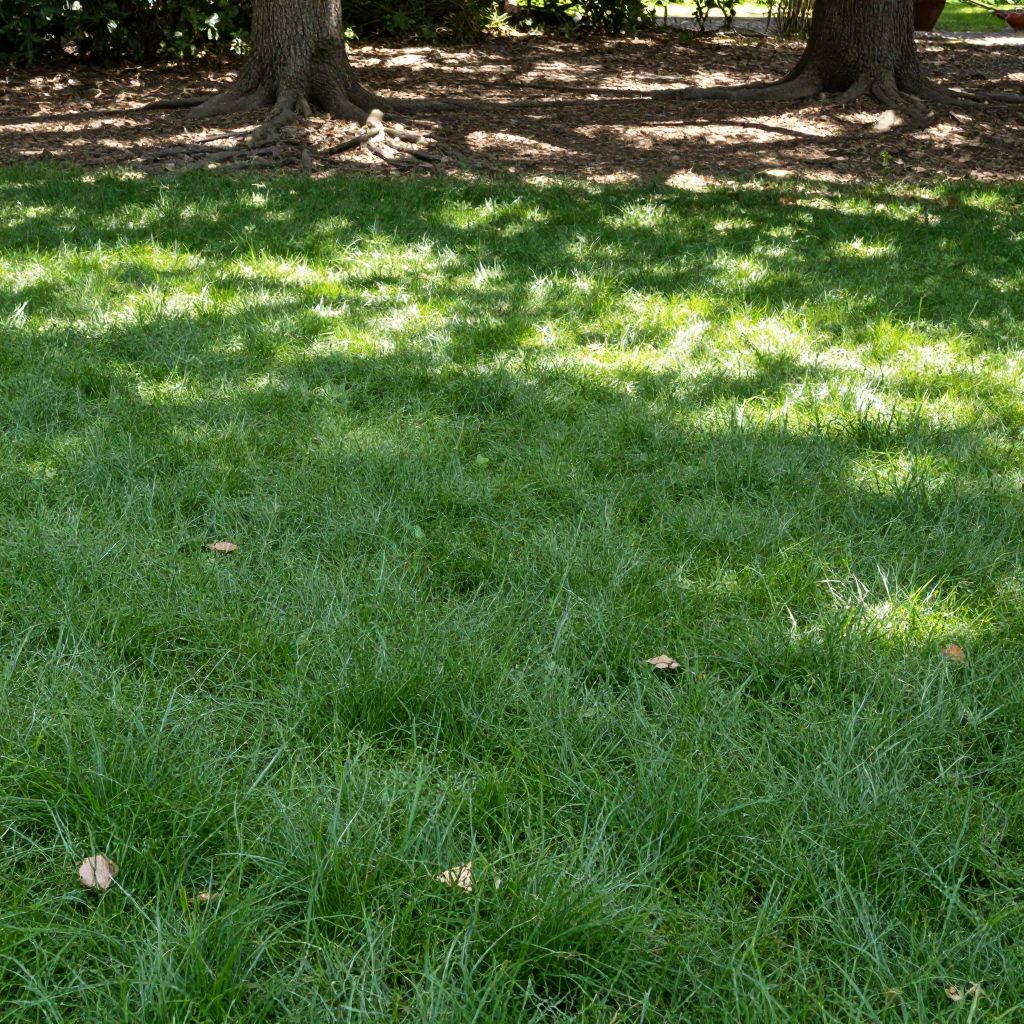
What grass grows in shade? The short answer is: no lawn grass thrives in deep shade, but several cool-season and fine-textured grasses can handle partial shade if the area still gets enough light and the soil is healthy. The best choice depends on how many hours of sun the spot receives, how dense the shade is, and whether the soil stays dry or damp.
If you want a lawn under trees, beside buildings, or along north-facing borders, success usually comes from choosing the right grass species and improving growing conditions first. In many shady areas, the bigger challenge is not just less sun, but also root competition, poor air movement, and thin soil.
What grass grows in shade?
The best grass for shade is usually fine fescue, especially creeping red fescue, chewings fescue, and hard fescue. In lighter shade, tall fescue can also perform well. No grass grows well in deep shade, so aim for at least 3 to 4 hours of direct sun or bright filtered light for the best chance of a healthy lawn.
How much shade is too much?
Before choosing seed, judge the light honestly. Many lawns fail because the area gets less sun than the label suggests, especially once trees leaf out.
Use this simple light test
- Full sun: 6 or more hours of direct sun daily
- Partial shade: 3 to 6 hours of direct sun, or bright dappled light
- Heavy shade: Less than 3 hours of direct sun
Most grasses need at least partial shade conditions to stay dense. In heavy shade, grass often becomes thin, pale, and patchy, then moss or weeds move in.
Common shade situations
- Under deciduous trees: Often workable if light is strong in spring and early summer
- Under evergreen trees: Usually much harder because shade is denser year-round
- Beside fences or buildings: Good candidates if there is reflected light and airflow
- Dry shade: One of the toughest conditions because roots compete for water too
Best grass types for shady lawns
The right grass depends on your climate, but some species are consistently better in shade than others. If your local garden center offers shade mixes, check the label carefully and look for species suited to your region rather than relying on the word “shade” alone.
Fine fescue
Fine fescues are usually the top choice for shade tolerance. This group includes creeping red fescue, chewings fescue, and hard fescue.
- Performs well in partial shade
- Handles lower fertility better than many lawn grasses
- Prefers cooler conditions and well-drained soil
- Can struggle in heavy foot traffic or very hot, humid sites
Fine fescue is often the best answer to “what grass grows in shade” for home lawns in cooler regions.
Tall fescue
Tall fescue is not as shade-tolerant as fine fescue, but it can work in light shade and is often more durable in areas with heat, drought, or moderate wear.
- Good for lawns that get morning sun and afternoon shade
- Forms a coarser texture than fine fescue
- Needs more mowing attention if growing vigorously
Perennial ryegrass and Kentucky bluegrass
These grasses can tolerate some shade, but they usually need more sun than fine fescue. They are better suited to mixed lawns where shaded sections are only part of the site.
- Perennial ryegrass: Fast to establish, but not a top shade performer
- Kentucky bluegrass: Attractive lawn grass, but usually needs more light
If you already have these grasses, they may survive in partial shade, but they rarely stay dense in deeper shade without help.
How to improve a shady lawn before planting
Even the best shade-tolerant grass struggles in poor soil or under dense tree roots. Preparing the site properly often matters as much as the seed you choose.
- Prune tree limbs carefully to let in more light and airflow, but avoid over-pruning or damaging the tree.
- Thin dense shrubs if they block light at lawn level.
- Rake out leaves and debris so seedlings can reach the soil surface.
- Test drainage by checking whether water puddles after rain or irrigation.
- Loosen compacted soil with core aeration or light cultivation where appropriate.
- Add compost to improve soil structure, especially if the soil is thin or sandy.
Do not bury tree roots deeply or add a thick layer of soil over them. That can harm the tree. In tree-shaded lawns, work gently at the surface and focus on improving light, moisture balance, and soil quality.
How to plant grass in shade
Seeding or overseeding a shady area is similar to planting a sunny lawn, but you need to be more careful with seed-to-soil contact and moisture. Shade slows germination and seedling growth, so a sloppy start often leads to failure.
Step-by-step planting guide
- Choose a shade-tolerant seed mix suited to your climate.
- Prepare the soil by removing weeds, leaves, and loose debris.
- Roughen the surface lightly so seed can settle into the soil.
- Spread seed evenly according to the product label.
- Rake lightly so some seed is covered, but not buried deeply.
- Press seed into the soil with a roller or by walking on a board if needed.
- Water gently to keep the top layer consistently moist until seedlings establish.
In shade, seedlings are slower to mature, so avoid heavy foot traffic until the lawn is well rooted. If the area is under trees, seed after leaf drop or during a season when light is at its best.
Watering and soil care in shady areas
Shady lawns often need less water than sunny lawns, but they should not be left dry for long periods. The challenge is balance: too much water in shade can encourage moss, disease, and shallow roots.
Watering tips
- Water deeply but less often once grass is established.
- Let the surface dry slightly between waterings to reduce disease risk.
- Check soil moisture under trees, where roots may steal water quickly.
- Water early in the day so leaves dry faster.
If the soil is heavy and stays wet, improve drainage before planting. Grass in shade often fails because of soggy soil, not because of shade alone.
Soil and compost
A thin layer of compost can help improve soil structure and support root growth. For established lawns, topdress lightly rather than smothering the grass.
- Use well-finished compost
- Apply a thin topdressing, not a thick blanket
- Work it into bare spots before seeding when possible
Mowing, fertilizing, and maintenance
Shady grass grows more slowly and should usually be managed a little differently from full-sun turf. Overmowing is one of the quickest ways to weaken it.
Mowing advice
- Mow higher than you would in sun to help the grass capture more light.
- Never remove more than one-third of the blade at a time.
- Keep mower blades sharp to avoid tearing the grass.
- Leave clippings on the lawn if they are light and dry enough to break down quickly.
Taller grass shades the soil, reduces stress, and helps roots compete better in low-light conditions.
Feeding the lawn
Shady grass usually needs less fertilizer than a full-sun lawn. Too much nitrogen can create weak, lush growth that is more prone to disease and flopping.
- Use soil test results when possible
- Feed lightly rather than heavily
- Avoid pushing fast growth in midsummer stress or deep shade
Common problems with shade-tolerant grass
Even with the right grass, shady lawns can run into predictable problems. Knowing what to look for helps you fix the real cause instead of chasing symptoms.
Moss
Moss often appears where grass is too weak for the light level, or where soil is compacted, acidic, or wet. Killing moss without improving conditions usually leads to a repeat problem.
- Increase light if possible
- Reduce compaction
- Improve drainage
- Choose a better-suited grass or groundcover if shade is too dense
Thin, leggy growth
Grass stretching toward the light is a sign the site is too shady for that species. In that case, overseeding may help only briefly.
If the area gets less than 3 hours of direct sun, consider replacing turf with shade-tolerant groundcovers, mulch, or planting beds.
Fungal disease
Cool, damp shade can encourage leaf spots, red thread, and other turf diseases. Good airflow, proper mowing height, and morning watering help reduce risk.
Tree root competition
Tree roots can take water and nutrients before grass gets them. In dry shade, this is often the main reason the lawn struggles.
- Water deeply during dry spells
- Topdress lightly with compost
- Consider widening the mulch ring around trees instead of forcing turf right up to the trunk
When grass is not the best choice
Sometimes the most practical answer to what grass grows in shade is: none of them do well enough. If the site is deeply shaded, dry, and root-filled, a low-maintenance alternative may look better and save time.
Good alternatives for deep shade
- Mulched beds with shade-loving shrubs or perennials
- Groundcovers suited to your climate
- Decorative bark or leaf mulch under trees
- Shade-tolerant stepping stones or paths in high-traffic areas
These options can be more reliable than fighting a lawn that never gets enough light.
Practical mistakes to avoid
- Choosing a “shade mix” without checking the actual species
- Planting in heavy shade and expecting full-lawn performance
- Overwatering damp, low-light areas
- Mowing too short
- Using too much fertilizer to force growth
- Ignoring tree root competition and poor soil structure
Conclusion
If you are asking what grass grows in shade, start with fine fescue for partial shade and tall fescue for lighter shade, then improve the site as much as you can. Measure the light, prepare the soil, mow high, and water wisely. If the area is too dark for turf, choose a better-suited landscape solution instead of fighting a losing battle.
For more help choosing the right lawn strategy, you may also want to read about shade garden design ideas or how to improve lawn soil.