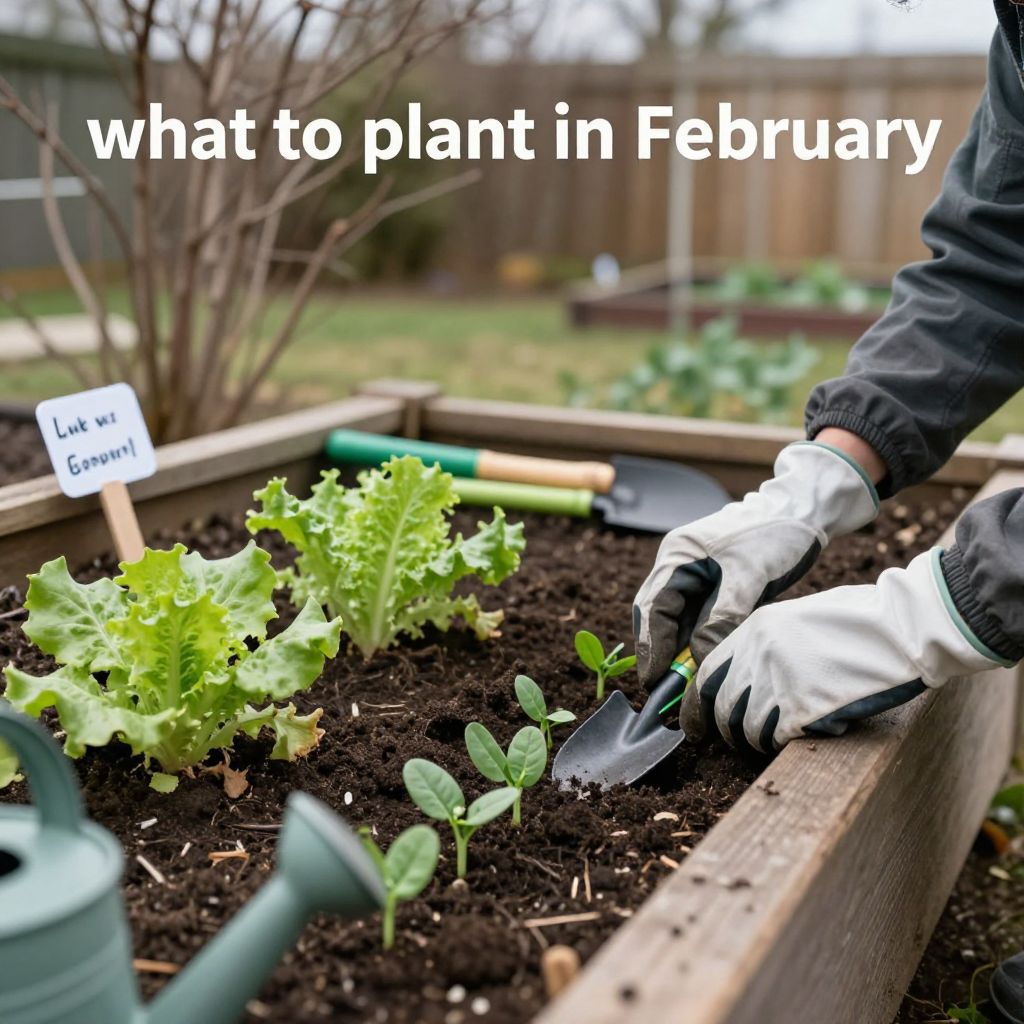
Wondering what to plant in February? The answer depends on your climate, but this month is often a turning point: in mild areas you can start sowing cool-season crops outdoors, while colder regions may still rely on indoor sowing, seed starting, and careful planning.
February is also a great month for pruning, soil preparation, and checking overwintered plants. If you match your tasks to local temperatures and frost risk, you can get a strong head start on spring without losing plants to cold snaps.
What to plant in February?
In February, plant cool-season vegetables, hardy herbs, bare-root trees and shrubs, and early flowers if your soil is workable and your frost risk is manageable. In colder climates, start seeds indoors and prepare beds instead of planting outside. Always use local soil temperature and last-frost timing to guide your choices.
Best things to plant in February by garden type
Outdoor sowing in mild or temperate climates
If your ground is not frozen and your soil drains well, February can be a good month for direct sowing hardy crops. These plants tolerate cool weather and often germinate better in early spring than in summer heat.
- Peas and snow peas
- Broad beans (fava beans)
- Spinach
- Radishes
- Carrots in mild areas or under protection
- Turnips
- Loose-leaf lettuce and other hardy salad greens
- Onion sets and shallot sets where winters are not severe
- Potatoes only where your local climate allows early planting and the soil is workable
These crops prefer cool conditions and can struggle if you wait until warm weather. If your soil is cold but not waterlogged, a cloche, row cover, or low tunnel can help speed germination and protect seedlings.
Indoor sowing for a head start
In colder regions, February is often the month to start seeds indoors under bright light. This is especially useful for crops that need a long growing season.
- Tomatoes
- Peppers
- Eggplants
- Celery and celeriac
- Leeks
- Onions from seed
- Early brassicas such as cabbage, broccoli, and cauliflower, if your season is long enough
- Annual flowers like petunias, snapdragons, and lobelia, depending on your frost dates
Use a clean seed-starting mix, not heavy garden soil. Seeds need moisture and air, and a fine, sterile mix helps prevent damping off and weak seedlings.
Flowers to plant in February
February is a useful month for adding early color, especially in mild climates or under protection. Some flowers can be sown directly, while others are better started indoors.
- Pansies and violas in mild weather
- Sweet peas in cool climates with well-drained soil
- Calendula
- Nigella (love-in-a-mist)
- Poppies where direct sowing is appropriate
- Hardy annuals suited to your region
If you are planting ornamentals, check whether the species prefers direct sowing, transplanting, or a period of cold stratification. Some seeds simply perform better when sown outdoors into cool soil.
Bare-root plants and perennials
February is also a good time to plant many bare-root plants while they are dormant, provided the soil is not frozen or saturated.
- Fruit trees
- Berry bushes such as raspberries and currants
- Roses in suitable climates
- Asparagus crowns where spring planting is recommended locally
- Perennial herbs and ornamental perennials in milder areas
Planting dormant stock in late winter gives roots time to settle before active growth begins. Keep bare-root plants moist during planting and water them in well once they are in the ground.
How to decide what is safe to plant in your area
The most important factor is not the calendar date but your local weather. February planting works best when you base decisions on frost dates, soil temperature, and drainage rather than assuming the same tasks apply everywhere.
Check these three things first
- Last frost date: Use this as a guide for tender crops and transplants.
- Soil condition: Soil should be workable, not sticky, frozen, or compacted.
- Day and night temperatures: Cool-season crops tolerate chilly weather, but tender plants do not.
If you live in a very mild climate, February may already feel like early spring. If you live in a colder region, it may still be too early for outdoor sowing except under protection. The same crop can be planted in very different ways depending on location.
Soil preparation before planting
Good February planting starts with soil that drains well and is easy for roots to move through. Wet, cold soil can rot seeds and delay growth, so it is worth waiting if the bed is soggy.
Prepare beds the right way
- Remove weeds before they set seed.
- Loosen the top layer only if the soil is not wet.
- Work in well-rotted compost to improve structure and fertility.
- Avoid digging or walking on saturated beds, which causes compaction.
- Rake the surface smooth for small seeds.
For heavy clay soil, raised beds or mounded rows can make February planting much easier. Better drainage often matters more than extra fertilizer at this time of year.
How much compost to add
A common approach is to spread a layer of compost about 2 to 5 cm deep over the bed and lightly incorporate it into the topsoil, if conditions are suitable. The goal is to improve soil texture, not bury the bed in rich material.
For container planting, use a fresh potting mix designed for containers. Garden soil in pots often becomes dense and waterlogged in cool weather.
Indoor seed-starting tips for February
Starting seeds indoors in February can give you healthier transplants later, but only if you provide enough light and stable warmth. Weak light is the most common reason seedlings become leggy.
What you need
- Seed trays or small pots with drainage holes
- Fine seed-starting mix
- Labels
- A bright windowsill or grow lights
- A spray bottle or gentle watering can
- A warm spot for germination, if needed
Simple seed-starting steps
- Fill trays with moist seed-starting mix.
- Sow seeds at the depth listed on the packet.
- Cover lightly only if the seed type needs it.
- Keep the mix evenly moist, not soggy.
- Provide strong light as soon as seedlings emerge.
- Thin crowded seedlings early to prevent competition.
Most seedlings need bright light for many hours a day. If they stretch toward the window, they are not getting enough light and should be moved closer to a stronger source.
Common indoor mistakes to avoid
- Overwatering, which encourages damping off
- Using old, compacted potting soil
- Starting seeds too early and ending up with overgrown transplants
- Placing trays in a cold draft or directly above a hot radiator
- Skipping labels, which makes it hard to track varieties and sowing dates
Watering and protection in February
Watering needs are usually lower in cool weather, but newly planted seeds and transplants still need steady moisture. The trick is to keep the root zone moist without creating a cold, wet mess.
Best watering practice
- Water after sowing if the soil is dry.
- Use a gentle flow so seeds are not washed away.
- Check the top few centimeters of soil before watering again.
- Water in the morning when possible, so foliage dries before night.
Row covers, cloches, and cold frames can help protect early plantings from frost and wind. Ventilate covers on sunny days so temperatures do not rise too fast and seedlings do not overheat.
Pruning, dividing, and other February garden jobs
February is not only for planting. It is also a practical month for maintenance tasks that support spring growth and improve the success of what you plant next.
Useful February tasks
- Prune dormant fruit trees and some deciduous shrubs if your climate and plant type allow it.
- Remove dead or damaged stems from perennials.
- Divide overcrowded clumps only if the soil is workable and the plant is suitable for division now.
- Check overwintered containers for dryness or root damage.
- Clean tools and pots before the main sowing season begins.
Do not prune spring-flowering shrubs blindly in February, because you may remove the buds that would bloom later. If you are unsure, wait until after flowering or identify the plant first.
Pests and diseases to watch for
Cool weather does not eliminate pest and disease problems. In fact, damp February conditions can create issues for both indoor seedlings and outdoor beds.
Common problems and fixes
- Damping off: Improve airflow, avoid overwatering, and use clean trays and fresh mix.
- Slugs and snails: Protect tender seedlings with barriers, traps, or hand-picking.
- Bird damage: Cover newly sown rows if birds are scratching seed out of the soil.
- Mildew and rot: Space plants well and avoid wetting foliage late in the day.
If seedlings suddenly collapse at the base, the problem is often too much moisture and poor air movement. If leaves yellow outdoors, the cause may be cold, waterlogged soil rather than a nutrient shortage.
What not to plant in February
Some crops are better left for warmer soil and more stable conditions. Planting them too early can lead to poor germination, rot, or frost damage.
- Tender vegetables such as beans, cucumbers, squash, and sweet corn in cold climates
- Warm-season bedding plants outdoors before frost danger has passed
- Anything that needs warm soil but is being planted into cold, wet ground
When in doubt, wait or start the crop indoors. A delayed planting is usually better than losing seed or seedlings to cold stress.
Final planning tips for a successful February garden
Use February to combine planting with preparation. Sow hardy crops where conditions allow, start tender plants indoors, and improve your beds so spring planting goes more smoothly.
If you want the best results, make a short list of what to plant in February based on your frost date, then check your soil and seed packets before you begin. For more seasonal help, look for related guidance on starting seeds indoors and preparing vegetable beds for spring.