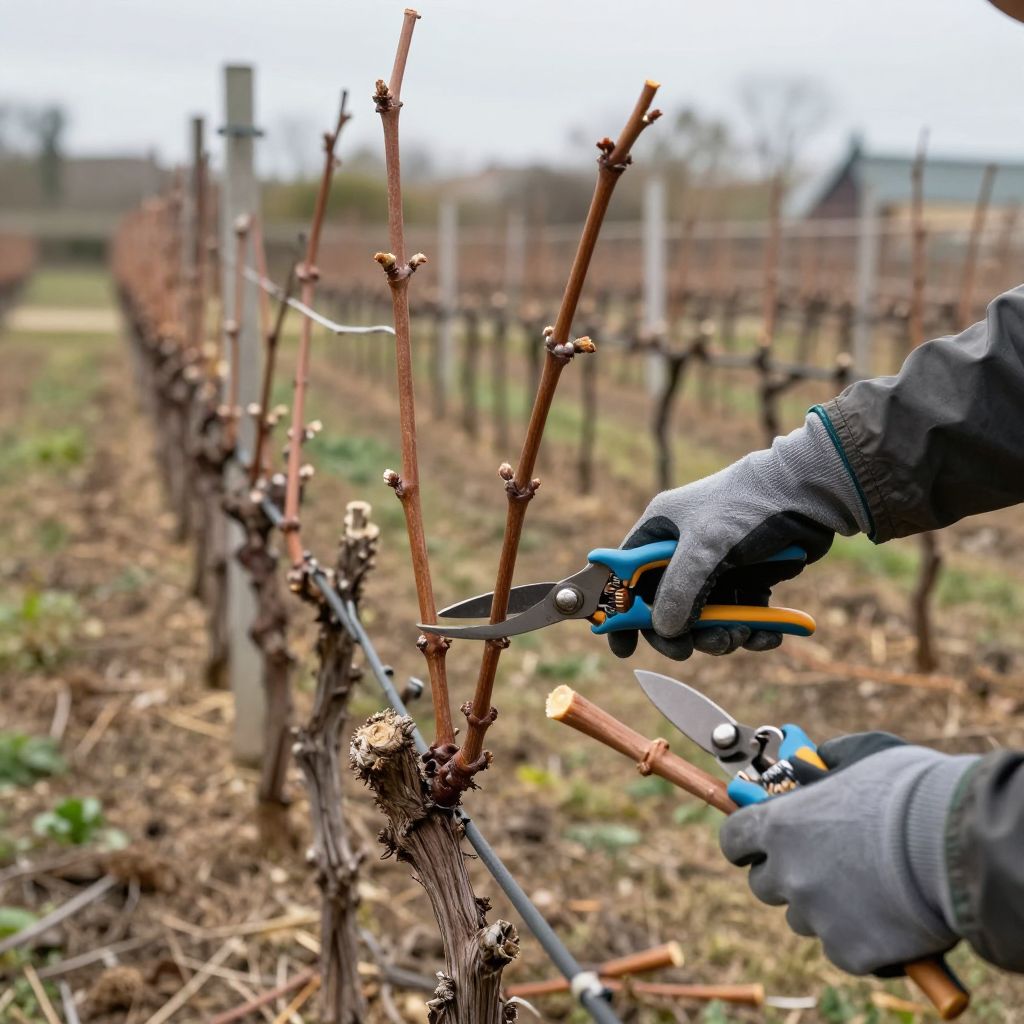
Wondering when to prune grape vines so you get strong growth and better fruit without harming the plant? Timing matters because grapes fruit on new shoots that grow from one-year-old wood, so the wrong cut at the wrong time can reduce yield or cause heavy sap bleeding.
The best time to prune most grape vines is during dormancy, after leaf drop and before buds begin to swell in late winter or very early spring. In mild climates, prune a little later to reduce sap bleed; in colder areas, prune once the coldest weather has passed but before active growth starts.
When To Prune Grape Vines?
Prune grape vines in late winter to early spring while the plant is dormant, ideally after the hardest freezes have passed and before buds break. This timing helps you see the vine’s structure clearly, encourages vigorous new fruiting shoots, and avoids the weak, crowded growth that comes from pruning too late or too lightly.
Why pruning timing matters
Grapes are different from many fruiting plants because they produce fruit on shoots that grow from last year’s wood. If you prune at the right time, you balance fruiting wood and renewal growth. If you prune at the wrong time, you may get too much leafy growth, fewer clusters, or sap bleeding from fresh cuts.
What happens if you prune too early?
Pruning very early in winter can expose fresh cuts to severe cold in some climates. That is not always a problem, but in areas with harsh freezes it can increase the risk of dieback on tender pruning points.
What happens if you prune too late?
Pruning after buds have started to swell or open can remove the shoots that would have carried fruit. It can also cause heavy sap flow, especially on established vines, which looks alarming even though it is usually not fatal.
Best season for pruning grape vines
For most home gardeners, the safest and most effective pruning window is late winter. The exact timing depends on your climate, the age of the vine, and whether you are growing table grapes, wine grapes, or an ornamental grape.
- Cold winter climates: prune toward the end of winter, after the worst freezes but before bud swell.
- Mild winter climates: prune in late winter, and avoid cutting too early if warm spells could trigger early bud movement.
- Very mild or coastal climates: pruning may be done later, but still before active spring growth begins.
If you are unsure, watch the buds. The best pruning window is when the vine is still dormant and the buds are tight, but the coldest part of winter is mostly over.
Can you prune grape vines in summer?
Yes, but summer pruning is usually for maintenance rather than the main annual cut. You can remove unwanted shoots, thin crowded growth, and tidy long canes during the growing season. Save the major structural pruning for dormancy.
How to prune grape vines step by step
Before you start, decide whether your vine is trained on a trellis, arbor, fence, or pergola. The pruning method is similar, but the amount of wood you keep depends on the training system and the vine’s age and vigor.
- Remove dead, damaged, or diseased wood first. Cut back to healthy tissue.
- Identify the main trunk and permanent arms. Keep the framework you want for next season.
- Select healthy one-year-old canes. These are usually smoother and lighter in color than older wood.
- Cut back fruiting canes according to your training system. Leave the number of buds appropriate for your vine’s strength.
- Remove excess crowded growth. Open the plant to light and air.
- Tie in retained canes if needed. Use soft ties and avoid constricting stems.
For many home-trained vines, the goal is not to keep everything. It is to keep a manageable framework and enough healthy fruiting wood for the coming season.
Use the right tools
Sharp bypass pruners work for most small canes. For thicker wood, use loppers or a pruning saw. Clean blades before and after use, especially if you notice cankers, mildew, or other disease symptoms.
- Bypass hand pruners for small stems
- Loppers for thicker canes and arms
- Pruning saw for old, woody sections
- Gloves and eye protection for overhead vines
How much should you cut off?
Grape vines usually need fairly hard pruning to stay productive. If you leave too much old growth, the vine can become tangled, shaded, and less fruitful. A well-pruned vine should look open, organized, and ready to push strong new shoots in spring.
The exact amount depends on the vine’s training style and vigor, but the general principle is the same: remove most of the previous season’s growth and keep the best-positioned canes or spurs. If your vine is young, focus on building structure rather than heavy fruiting.
Young vines
Young grape vines need training more than production. In the first few years, prune to establish a strong trunk and a few well-placed arms. Do not overload a young vine with fruiting wood before its framework is developed.
Established vines
Established vines are usually pruned annually to renew fruiting wood. Keep the vine balanced so it has enough buds to fruit, but not so many that the clusters become small and the canopy becomes overcrowded.
Common pruning mistakes to avoid
Most pruning problems come from either cutting at the wrong time or leaving too much wood behind. A vine that is never pruned often becomes a mass of tangled canes with poor airflow and reduced fruit quality.
- Pruning too late in spring: you may remove fruiting shoots.
- Leaving too much old wood: the vine becomes dense and less productive.
- Cutting all new growth off: this can reduce the next crop.
- Using dull tools: ragged cuts heal poorly.
- Ignoring diseased canes: pests and diseases can spread through the vine.
What to do if sap bleeds after pruning
Sap bleeding is common when grapes are pruned close to bud break. It usually looks worse than it is. To reduce it next year, prune earlier in dormancy or delay slightly in very cold climates until the risk of deep freeze has passed but growth has not started.
Pruning based on climate and vine condition
Local weather matters more than the calendar. A mild winter can cause buds to swell early, while a late cold snap can damage freshly cut vines. Always adjust pruning to what your plant is doing, not just the date on the calendar.
In colder regions
Wait until the most severe cold has passed. If your area gets hard freezes, pruning too early can expose the vine to winter injury at the cut points or on nearby buds.
In warmer regions
Prune later in winter if possible, but do not wait until the vine is actively leafing out. In warm climates, vines may begin growth earlier than expected, so watch the buds closely.
If the vine is weak or neglected
Older neglected vines may need gradual renovation rather than one severe cut. Remove dead wood first, then reduce the canopy over one or two seasons if the vine is very overgrown. This helps avoid shocking the plant.
After pruning care
Once pruning is done, give the vine a clean, open structure and support it properly on its trellis or arbor. Good airflow and sun exposure help reduce disease pressure and improve ripening.
- Dispose of diseased prunings rather than leaving them under the vine.
- Check ties, wires, and supports for damage.
- Mulch lightly if needed, but keep mulch away from the trunk.
- Water deeply only if the soil is dry and your climate is not providing enough moisture.
Do not overwater just because you pruned. Grapes prefer well-drained soil and dislike soggy roots. If your soil stays wet, improve drainage before the next growing season.
How pruning affects fruit, pests, and disease
Proper pruning improves sunlight penetration and air movement, which helps clusters dry faster after rain or dew. That can reduce pressure from fungal diseases such as powdery mildew and bunch rot in many gardens.
It also makes it easier to spot problems early. A pruned vine is simpler to inspect for scale, cane damage, winter injury, or cankers. If you see diseased wood, cut it out promptly and clean your tools between cuts if needed.
Quick pruning checklist for grape vines
- Prune during dormancy, usually late winter to early spring.
- Finish before buds swell or open.
- Remove dead, damaged, and crowded wood first.
- Keep a strong framework and healthy one-year-old fruiting wood.
- Use sharp, clean tools.
- Adjust timing to your local climate and the vine’s growth stage.
Conclusion
If you are deciding when to prune grape vines, aim for late winter to very early spring, while the vine is still dormant and before buds begin to swell. Start with dead wood, keep the best fruiting canes, and avoid cutting too late. If you want more seasonal vine care, look for related guidance on trellising and grapevine maintenance.