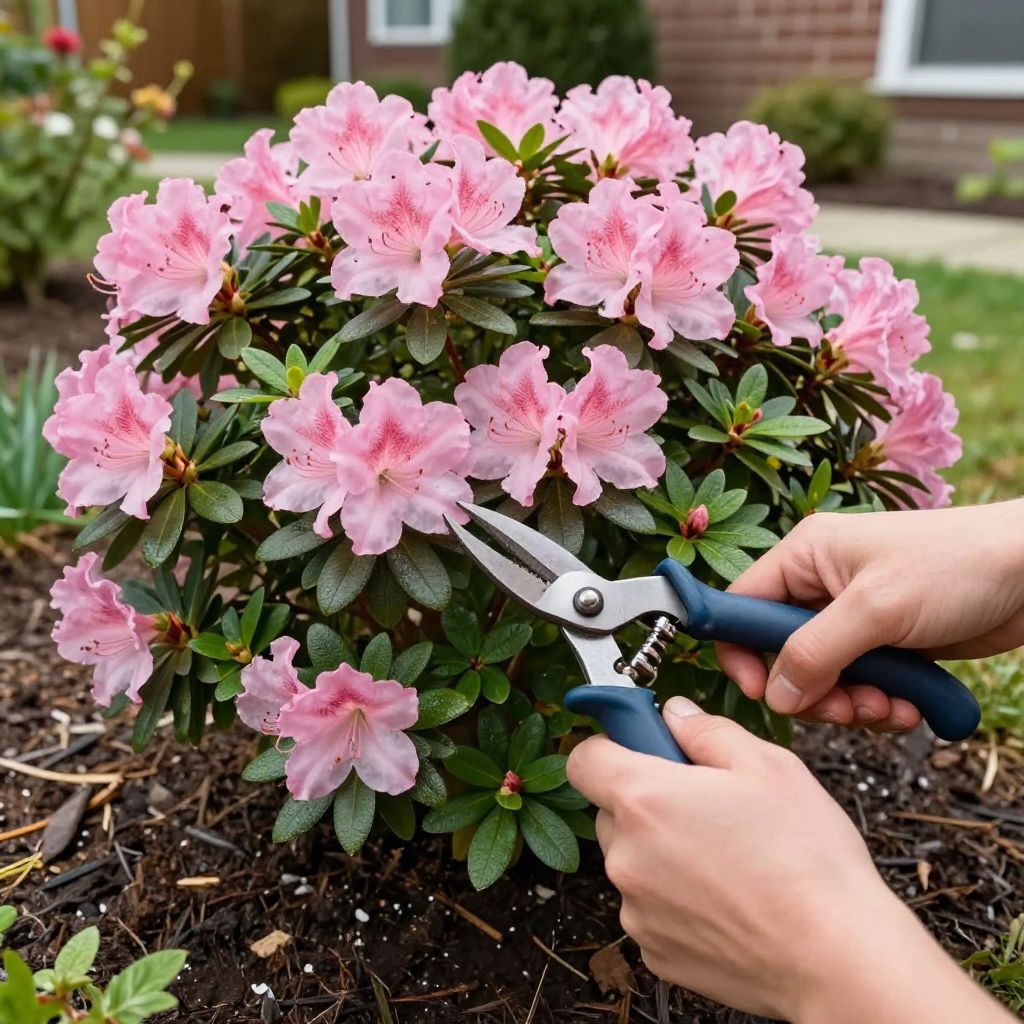
When should you trim azaleas without ruining next year’s flowers? The short answer is to prune them right after they finish blooming, before they set next season’s flower buds. That timing helps you shape the shrub while preserving the wood that will carry future blooms.
Azaleas are forgiving, but they do best when pruning is light, timely, and purposeful. If you cut at the wrong time, you may remove flower buds and end up with a leafy shrub and very few blossoms.
When to trim azaleas?
Trim azaleas immediately after flowering, usually in late spring or early summer, depending on your climate and variety. This is the safest window because azaleas form next year’s flower buds soon after blooming. Avoid heavy pruning in late summer, fall, or winter unless you are removing dead, damaged, or diseased wood.
Why timing matters so much
Azaleas set flower buds on old wood, not on fresh growth the way many shrubs do. If you prune too late in the season, you can cut off the buds that would have opened next spring.
That is why the best pruning is done right after the bloom cycle ends. At that point, the plant still has time to make new shoots and recover before it starts preparing flower buds for the following year.
What happens if you trim at the wrong time?
- Too early: You may remove some of the current season’s buds before they open.
- Too late: You can remove next year’s buds and reduce flowering.
- Too hard: The shrub may respond with weak, leggy growth and fewer blooms.
How to prune azaleas the right way
Most azaleas only need light shaping. Think of pruning as guiding the shrub, not reshaping it dramatically every year.
- Wait until flowering is finished. Trim after the petals fade and drop.
- Remove dead or damaged branches first. Cut back to healthy wood.
- Thin out crossing or rubbing stems. This improves air movement and reduces disease risk.
- Shorten overly long shoots. Make cuts just above a leaf node or side branch.
- Step back often. Check the plant’s natural shape as you work.
Use clean, sharp hand pruners for small stems and loppers for thicker branches. Disinfect tools if you are cutting diseased wood or moving between plants that show signs of infection.
How much can you remove?
For routine maintenance, keep pruning modest. A light trim of about one-third of the newest growth is usually enough for shaping, but many azaleas need much less than that. If the shrub is overgrown, spread major renovation over more than one season rather than removing too much at once.
Best time by season and climate
The exact calendar date depends on where you live, the type of azalea, and when it blooms. In warmer regions, flowering may finish earlier; in cooler areas, it may run later into spring.
General seasonal guide
- Spring-flowering azaleas: Prune right after bloom.
- Late-blooming plants: Wait until those flowers are done, then trim promptly.
- Fall and winter: Avoid routine pruning, since buds are already forming or resting on the plant.
If you are unsure, use the plant itself as your guide. Once the flowers fade and new growth begins to harden, that is usually your pruning window closing.
Types of pruning azaleas may need
1. Deadheading spent flowers
Removing faded flower clusters is optional, but it can keep the shrub looking tidy. Pinch off the old blooms carefully without damaging the small new shoots just below them.
2. Light shaping
Shape azaleas by trimming back stray shoots to maintain a rounded or natural form. This is the most common kind of pruning for home gardens.
3. Rejuvenation pruning
If an azalea is old, sparse, or badly overgrown, you may need a stronger reset. Cut it back gradually over two or three years rather than all at once, especially with established shrubs.
Do not expect immediate full bloom after hard pruning. A heavily cut azalea often needs time to regrow before it flowers well again.
Signs your azalea actually needs pruning
Not every azalea needs annual trimming. Some shrubs stay attractive with only occasional cleanup.
- Branches are crossing or crowding the center.
- The plant is getting too tall or wide for its space.
- Dead tips or winter damage are visible.
- Flowering is sparse because the shrub is old and woody.
- Airflow is poor and the plant stays damp inside.
If the azalea is healthy, compact, and blooming well, you may only need to remove a few stems after flowering.
Common pruning mistakes to avoid
- Shearing into a ball or box: This can create dense outer growth and a bare interior.
- Pruning in late summer: You may remove next year’s buds.
- Cutting too much at once: Heavy pruning can stress the plant.
- Ignoring dead wood: Dead stems waste energy and can hide problems.
- Leaving stubs: Make clean cuts near a healthy branch or bud.
Azaleas usually look best when you preserve their natural shape. A gentle, selective approach gives better results than a formal hedge-style cut.
What to do after pruning
After trimming, help the shrub recover with steady care, especially during warm or dry weather. Healthy follow-up care supports new growth and future flowering.
- Water deeply if rainfall is lacking, especially for newly planted shrubs.
- Refresh mulch to help hold moisture and keep roots cool.
- Avoid heavy fertilizing immediately after major pruning unless your soil test or local extension guidance recommends it.
- Watch for new shoots and remove any dead tips later if needed.
Azaleas prefer evenly moist, well-drained soil. If the root zone stays waterlogged, pruning will not solve the problem, and the plant may struggle regardless of timing.
How pruning connects to overall azalea health
Good pruning works best when the shrub is already growing in the right conditions. Azaleas generally prefer partial shade, acidic soil, and protection from harsh afternoon sun in hotter climates.
If your plant is weak, sparse, or not blooming well, check the basics before pruning heavily:
- Light: Too much shade can reduce flowering; too much sun can scorch leaves.
- Soil: Azaleas do best in acidic, organic-rich soil with good drainage.
- Water: Keep soil evenly moist, not soggy.
- Mulch: A 2- to 3-inch layer helps protect shallow roots.
If those conditions are poor, the shrub may benefit more from site improvement than from a stronger prune.
Pruning azaleas in containers
Potted azaleas follow the same pruning rule: trim them after flowering. Container plants can dry out faster and may need more frequent monitoring after pruning because their roots have less soil to buffer moisture changes.
Use a pot with drainage holes and a well-draining acidic potting mix. After trimming, keep the container in bright light with protection from harsh afternoon sun, especially in hot weather.
When to call pruning quits
Sometimes the best choice is to stop pruning and let the plant recover. If your azalea has just been transplanted, is drought-stressed, or is recovering from pest or disease damage, keep pruning minimal until it regains vigor.
Also avoid pruning during extreme heat, drought, or a hard freeze. Stress plus pruning can slow recovery and reduce bloom quality.
Quick answer: the best pruning window
If you remember only one rule, make it this: trim azaleas right after they bloom. That timing protects next year’s flower buds and gives the plant time to grow back before the next bloom cycle.
For more help with shrub care and seasonal maintenance, you may also find it useful to read related guidance on azaleas and rhododendrons and growing azaleas successfully.