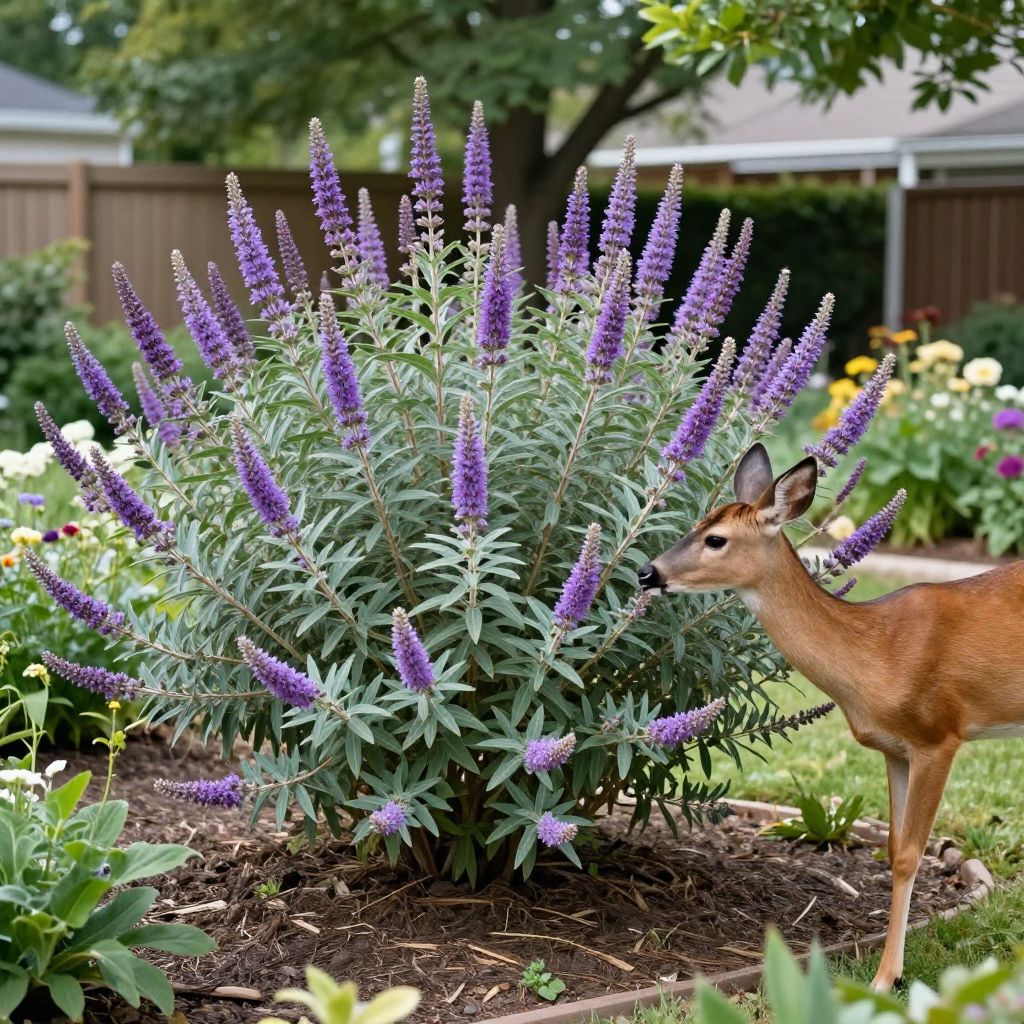
Are butterfly bushes deer resistant? In many gardens, yes—but not completely. Butterfly bush (Buddleja davidii) is one of those shrubs deer often leave alone, especially when other food is available, but hungry deer may still browse tender new growth, especially in dry weather or crowded landscapes.
If deer pressure is high in your area, it helps to think of butterfly bush as deer tolerant rather than deer proof. The good news is that with the right planting site and care, you can reduce browsing and help the shrub recover quickly if deer do nibble it.
Are butterfly bushes deer resistant?
Butterfly bushes are generally considered deer resistant because their leaves are aromatic and somewhat coarse, which makes them less appealing than many ornamentals. However, deer resistance is never guaranteed. Young plants, soft spring growth, and drought-stressed shrubs are more likely to be browsed, especially when deer are short on food.
Why deer usually avoid butterfly bush
Leaf texture and scent matter
Deer tend to prefer plants with tender, highly palatable foliage. Butterfly bush has narrow leaves and stems that are less attractive than many lush shrubs and perennials. The plant’s fragrance may also discourage browsing in some landscapes.
Season and food supply change the odds
In spring, deer often sample fresh growth from many plants. In late summer, fall, or during drought, they may eat shrubs they would normally ignore. If your yard borders woods, fields, or a deer corridor, even “resistant” plants can be damaged.
Age of the plant makes a difference
Established butterfly bushes are usually less vulnerable than newly planted shrubs. A young plant has fewer stems and less woody growth, so one browsing event can set it back more noticeably.
How to grow butterfly bush so it handles deer pressure better
Healthy shrubs recover from browsing more quickly, and vigorous growth can make the plant less tempting over time. Focus on strong establishment, good drainage, and appropriate pruning rather than trying to force fast growth with too much fertilizer.
Choose the right site
- Plant in full sun for the best flowering and sturdier growth.
- Use well-drained soil; butterfly bush dislikes soggy roots.
- Avoid dense shade, where growth becomes weak and more vulnerable.
- Give the shrub room to mature so air can move through the plant.
Prepare the soil
Butterfly bush grows best in average soil that drains well. If your soil is heavy clay, work in compost to improve structure, but do not create a planting hole that holds water like a basin. Good drainage is more important than rich soil.
A light layer of compost mixed into the planting area can help young plants establish, especially in poor soil. Just avoid overfeeding with high-nitrogen amendments, which can push soft, leafy growth that deer may browse more readily.
Water wisely during establishment
New shrubs need regular watering until roots spread, but the soil should not stay constantly wet. Water deeply, then let the top layer of soil dry slightly before watering again. Once established, butterfly bush is fairly drought tolerant, though prolonged dryness can make it more attractive to deer.
Planting tips that reduce browsing damage
Where deer are common, placement matters as much as plant choice. A butterfly bush tucked into a protected part of the landscape is less likely to be eaten than one planted along an exposed edge.
- Plant near the house, patio, or a busy walkway where deer are less likely to linger.
- Use butterfly bush as part of a mixed border rather than as a lone specimen in open ground.
- Surround it with less palatable plants if you want to reduce visual access and browsing pressure.
- Keep the shrub healthy so it can replace any nipped growth quickly.
Use physical protection when pressure is high
If deer are a regular problem, even resistant shrubs may need backup protection. Temporary fencing, individual plant guards, or a wider deer barrier around the garden can be more effective than relying on plant resistance alone.
- Use sturdy mesh or fencing tall enough for local deer pressure.
- Protect newly planted shrubs until stems are woody and established.
- Check guards regularly so they do not rub or constrict the plant.
Pruning butterfly bush for stronger growth and better flowering
Pruning helps butterfly bush stay compact, woody, and vigorous. That matters because weak, lanky growth is easier for deer to browse and can make the shrub look ragged after damage.
When to prune
In many climates, butterfly bush is pruned in late winter or early spring after the worst cold has passed. If you garden in a colder region, wait until you can see where winter dieback ends. Then cut back to healthy wood or shape the plant according to its growth habit.
How much to remove
Remove dead stems first, then shorten the remaining growth to encourage bushier branching. Avoid over-pruning during active growth if the plant is already stressed from deer browsing or drought. A stressed shrub benefits more from steady care than from repeated hard cutting.
What to do after deer browse the plant
- Trim torn stems cleanly to healthy tissue.
- Water deeply if the soil is dry.
- Mulch lightly to conserve moisture, keeping mulch away from the crown.
- Watch for new shoots and protect them if deer return.
Common problems that can make butterfly bush more vulnerable
Too much shade
In shade, butterfly bush stretches, flowers less, and produces softer growth. That weak growth is more likely to be sampled by deer and can also be more prone to pests and disease.
Overwatering or poor drainage
Wet feet can weaken roots and reduce overall vigor. If the plant is struggling, deer damage may become more noticeable because the shrub cannot replace lost foliage quickly.
Excess nitrogen
Too much fertilizer can create lush, tender growth that deer may find more appealing. If your soil is already reasonably fertile, a light compost topdressing is often enough.
Pests and diseases to watch for
Deer are not the only issue butterfly bush may face. A stressed shrub can also attract aphids, spider mites, or suffer from root problems in poorly drained soil. Healthy plants usually handle minor pest pressure without major intervention.
- Aphids: Often cluster on soft new growth; a strong water spray can help.
- Spider mites: More common in hot, dry conditions; keep the plant evenly watered.
- Root rot: Usually linked to soggy soil; improve drainage rather than watering more.
How to tell if deer are eating your butterfly bush
Deer browsing usually leaves a clean, angled tear or a clipped-looking stem tip at about the height deer can reach. If lower leaves are missing and stems are stripped unevenly, deer are a likely culprit. Rabbits and insects leave different damage patterns, so inspect carefully before treating the wrong problem.
Signs the shrub is recovering well
- New shoots appear below the damaged area.
- Leaves unfold evenly on remaining stems.
- Flowering resumes later in the season.
- The plant keeps a balanced shape after pruning.
Best maintenance habits for deer-prone gardens
If you garden where deer are common, the goal is not just to choose resistant plants but to keep them resilient. A strong butterfly bush is more likely to bounce back from browsing and less likely to become a repeated target.
- Water deeply during dry spells, especially for young plants.
- Mulch lightly to conserve moisture and suppress weeds.
- Avoid heavy fertilizer that encourages soft growth.
- Prune annually to maintain a sturdy framework.
- Inspect new growth in spring, when browsing often starts.
Should you plant butterfly bush if deer are a problem?
Yes, if you want a flowering shrub that is usually less appealing to deer than many alternatives. Just do not rely on resistance alone. In high-pressure areas, pair butterfly bush with physical protection, thoughtful placement, and good cultural care for the best results.
If you want to reduce deer damage across the rest of your landscape, you may also want to read more about what attracts and feeds deer in the garden so you can avoid creating a buffet near your shrubs.
In short, butterfly bushes are often deer resistant, but not deer proof. Plant them in full sun, keep the soil well drained, and protect young shrubs when deer pressure is heavy. With those basics in place, you can enjoy the flowers and give the plant the best chance to thrive.