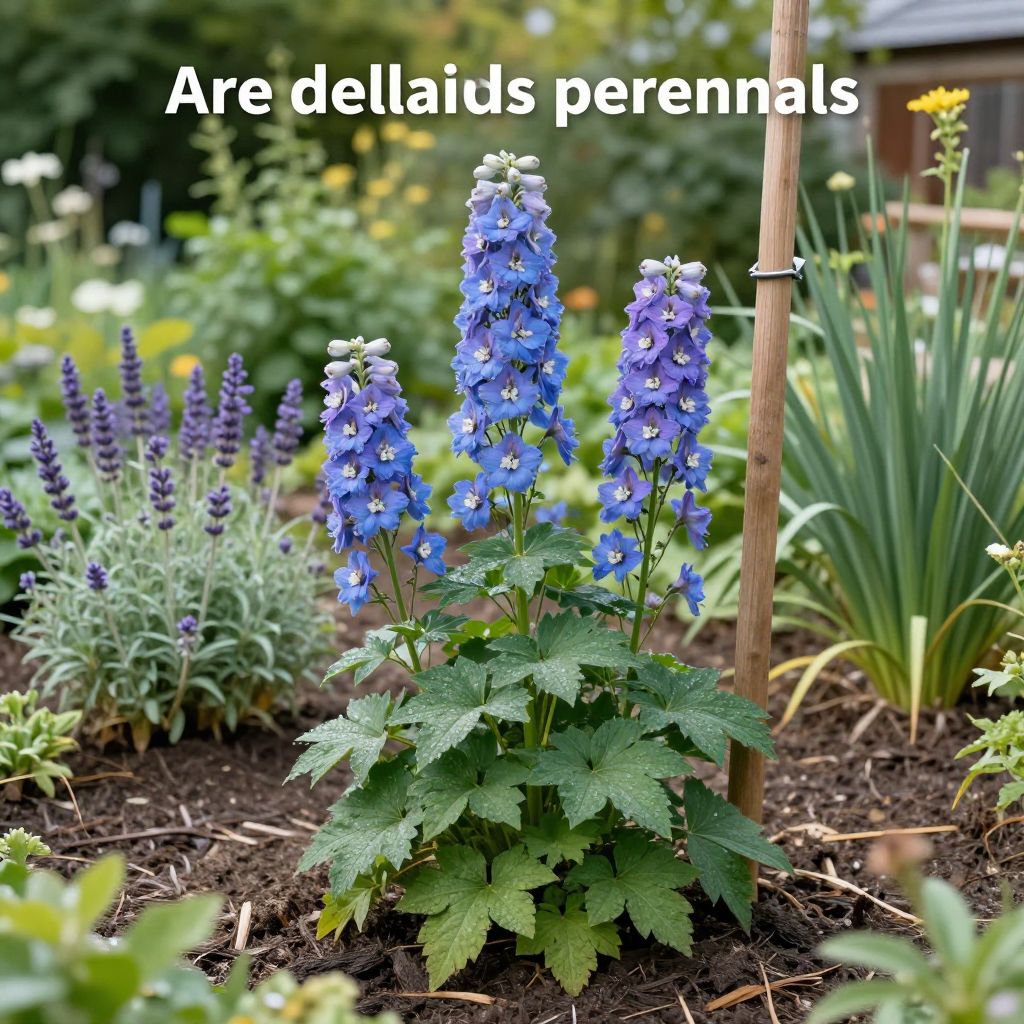
Are delphiniums perennials? In most gardens, yes—delphiniums are perennial plants that can return for several years when they’re grown in the right conditions. Their longevity depends on climate, soil drainage, summer heat, and how well you manage staking, watering, and disease pressure.
They’re rewarding but not always long-lived, especially in hot, humid, or poorly drained sites. If you want tall flower spikes and reliable regrowth, the key is giving delphiniums cool roots, rich soil, and steady care through the growing season.
Are delphiniums perennials?
Yes. Delphiniums are generally herbaceous perennials, meaning the top growth dies back and the plant regrows from its crown or roots each year. In mild, well-drained conditions they can live for several seasons, though many gardeners treat them as short-lived perennials because they may decline after a few years.
What makes delphiniums short-lived in some gardens?
Delphiniums are perennial, but they are sensitive to heat, wet soil, and certain diseases. If conditions are stressful, plants may weaken, flower less, or fail to return strongly the next year.
Main reasons they struggle
- Poor drainage that keeps roots wet for too long
- Summer heat that stresses the crown and shortens bloom time
- Heavy, crowded growth with poor air circulation
- Slugs and snails damaging young shoots
- Fungal problems such as powdery mildew or crown rot
In cooler regions, delphiniums often perform much better. In warmer areas, they may need afternoon shade, extra mulch, and excellent drainage to survive well as perennials.
Best growing conditions for perennial delphiniums
To keep delphiniums coming back, match the plant to the site. These are classic border perennials that prefer cool roots, full sun in mild climates, and fertile soil that drains freely.
Sunlight
Delphiniums usually bloom best in full sun, but in warm climates they appreciate morning sun and light afternoon shade. Too much shade can reduce flowering and make stems floppy, while intense heat can shorten bloom duration.
Soil
Use rich, moisture-retentive soil that still drains well. A slightly alkaline to neutral pH is often ideal, but the most important factor is drainage. If your soil stays soggy after rain, improve it before planting.
Compost and organic matter
Work in compost before planting to improve soil structure and support steady growth. Compost helps sandy soil hold moisture and helps clay soil drain better when used correctly and combined with good bed preparation.
Spacing and air flow
Give plants enough room so air moves through the foliage. Crowding encourages mildew and makes stems more likely to lean or break. Taller varieties usually need more space and support than compact types.
How to plant delphiniums for long-term success
Planting well is one of the best ways to help delphiniums behave like dependable perennials. They dislike being disturbed, so choose the site carefully and plant them where they can stay for a while.
- Choose a site with good drainage and enough sun for your climate.
- Prepare the bed by loosening the soil and mixing in compost.
- Dig a hole slightly wider than the root ball.
- Set the crown at the same level it was growing in the pot.
- Backfill gently and water thoroughly to settle the soil.
- Mulch lightly, keeping mulch away from the crown.
Avoid planting too deeply. A buried crown can rot, especially in wet weather. If your garden soil is heavy, consider planting in a raised bed or improving the site before you set the plant out.
Watering and feeding delphiniums
Delphiniums need consistent moisture, especially while they’re establishing and during bud formation. At the same time, they do not tolerate waterlogged soil, so the goal is steady moisture without saturation.
Watering tips
- Water deeply when the top layer of soil begins to dry.
- Water at the base rather than overhead when possible.
- Mulch to help the soil stay evenly moist.
- Adjust more often in hot, windy weather and less often in cool, damp conditions.
For feeding, a balanced approach works best. Rich soil and compost often provide enough support, but very lean soil may need a light, balanced feed in spring as growth starts. Avoid overfeeding with high nitrogen, which can produce lush leaves and weak stems.
Pruning, staking, and deadheading
Good maintenance helps delphiniums return stronger each year. Their tall flower spikes are beautiful, but they can topple in wind or heavy rain if they aren’t supported.
Staking
Install stakes or a support ring early, before stems get tall. It’s easier to guide young growth than to rescue a flopping plant later. Use soft ties and check them as stems thicken.
After flowering
Deadhead spent flower spikes if you want to encourage a possible second flush in some varieties or keep the plant tidy. If you want seeds, leave a few healthy spikes to mature.
Cutting back
After the main bloom period, you can cut back faded stems to encourage fresh foliage and neater growth. In autumn, trim dead top growth after it dies back naturally, but leave the crown undisturbed.
Overwintering delphiniums
Because delphiniums are perennial, winter care matters. Their crowns need protection from freeze-thaw cycles, but they also need air movement and drainage so they don’t rot.
Winter care basics
- Leave a light mulch layer after the ground cools.
- Do not bury the crown under thick, wet mulch.
- Remove decaying debris that can harbor disease.
- Avoid winter watering unless the soil is unusually dry and unfrozen.
In colder regions, some dieback is normal. In milder climates, the plant may hold some foliage longer, but the same rule applies: keep the crown dry enough to avoid rot and protected enough to prevent stress.
Common pests and diseases
Delphiniums can be beautiful but a little high-maintenance. Catching problems early is the best way to keep them perennial in your garden rather than losing them after one tough season.
Slugs and snails
These pests often chew young shoots and leaves. Check plants early in the morning or after rain, remove hiding spots, and use your preferred non-chemical control methods if needed. Young delphiniums are especially vulnerable.
Powdery mildew
White, powdery growth on leaves usually appears when air circulation is poor or plants are stressed. Improve spacing, avoid wetting foliage late in the day, and remove badly affected leaves.
Crown rot
If the base of the plant softens or collapses, excess moisture may be the problem. This is one of the biggest threats to perennial longevity. Better drainage is the most effective prevention.
Aphids
Aphids may cluster on tender stems and buds. A strong spray of water can dislodge them, and beneficial insects often help keep populations down when the garden is balanced.
How to propagate delphiniums
If you want to keep a favorite plant going, propagation can help, especially because some delphiniums are short-lived. Division is possible in some cases, but many gardeners prefer seed or basal cuttings depending on the type and plant health.
Seed
Seed is a common way to grow delphiniums, but seedlings may not come true from named cultivars. If you collect seed, let pods mature fully and store seed in a cool, dry place until you’re ready to sow.
Division
Division can be risky because delphiniums dislike root disturbance. If you divide, do it only when the plant is healthy and large enough to split successfully, and replant divisions promptly in prepared soil.
Basal cuttings
Some gardeners propagate from young basal shoots in spring. This can be a useful way to clone a desirable plant, but it takes care and clean tools to avoid damaging the crown.
When delphiniums may behave like annuals or biennials
In some gardens, delphiniums are treated as annuals because they fail to overwinter or decline too quickly. In others, certain types may flower in the first year and then continue as short-lived perennials. Local climate and plant selection make a big difference.
If you live in a hot region, you may get better results by choosing a cooler microclimate, such as a spot with morning sun and afternoon shade. If winters are very wet, drainage becomes even more important than temperature.
Practical mistakes to avoid
- Planting in heavy, soggy soil
- Letting the crown sit too deep
- Skipping support for tall stems
- Overcrowding plants in a border
- Watering overhead late in the day
- Leaving diseased debris around the base
These mistakes are common, but they’re also easy to correct. Most delphinium problems come down to moisture management, airflow, and heat stress rather than anything mysterious.
Conclusion
So, are delphiniums perennials? Yes, they are—but they perform best as cool-climate, well-drained, carefully managed perennials. If you give them rich soil, steady moisture, good support, and protection from heat and rot, you’ll greatly improve their chances of returning year after year.
If you want to keep learning about border perennials and seasonal care, you may also enjoy reading more about how to improve garden soil with compost and choosing the best perennials for sunny borders.