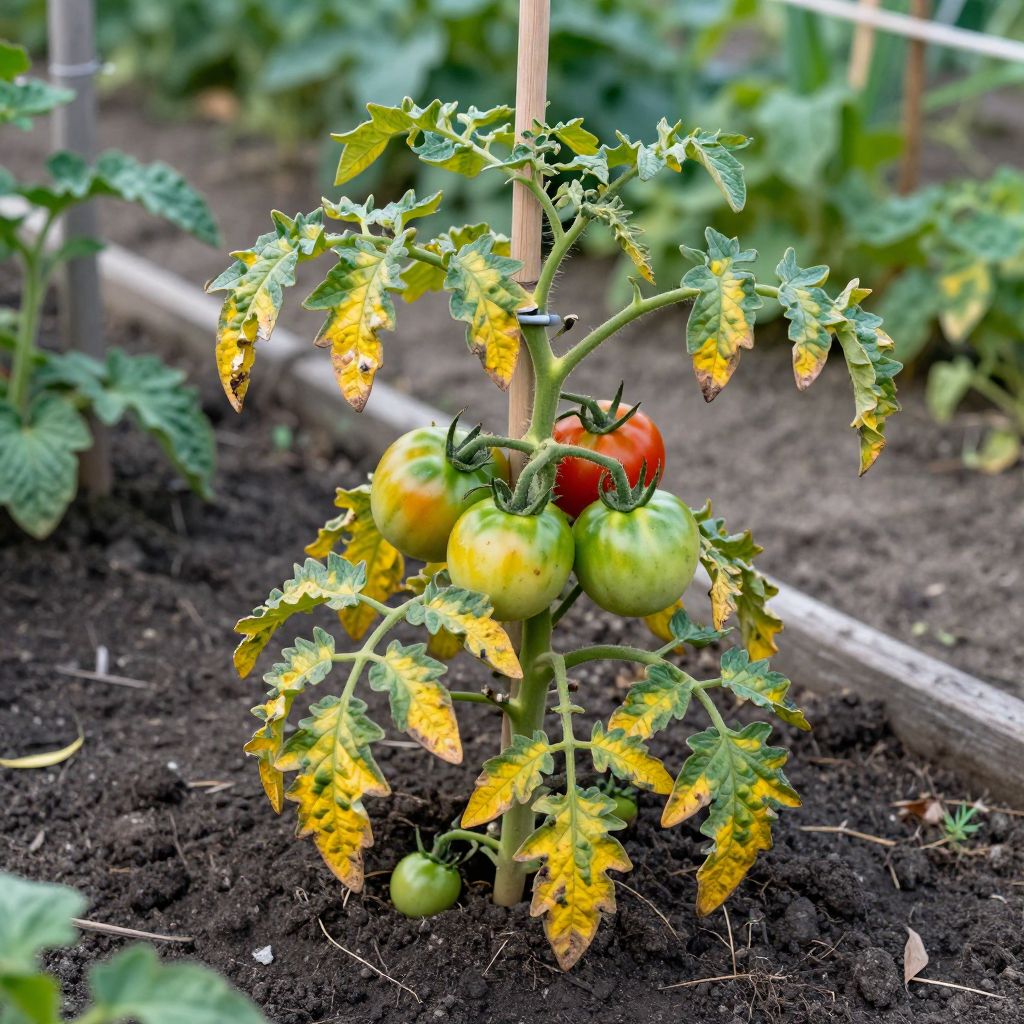
Do tomato plants come back after winter? In most gardens, the answer is no: tomatoes are tender perennials grown as annuals, so frost usually kills them outdoors. But with warmth, protection, or indoor care, you can sometimes keep a plant going and even overwinter it for another season.
Whether that works depends on your climate, the plant’s health, and how much space and light you can provide. If you want to save a favorite tomato plant, the key is acting before cold weather arrives and giving it the right conditions to survive.
Do tomato plants come back?
Tomato plants (Solanum lycopersicum) are not frost-hardy, so outdoor plants usually die back when temperatures drop below freezing. In warm, frost-free climates they may live longer, and indoors or in a greenhouse you can sometimes overwinter them. Most gardeners, however, replant tomatoes each spring.
Why tomatoes usually don’t return outdoors
Tomatoes are warm-season plants that grow best in full sun and steady heat. Once frost damages the stems and leaves, the plant tissues collapse and the plant cannot recover in the way a perennial shrub might.
Even if the top growth survives a light chill, repeated cold nights weaken the plant and reduce flowering and fruiting. In many regions, the end of the season is simply the natural life cycle of the crop.
What kills tomato plants in cold weather
- Frost that damages cell tissue.
- Cold soil that slows root function.
- Shorter days and lower light, which reduce growth.
- Disease pressure late in the season, especially if plants are already stressed.
Can tomato plants survive winter?
Yes, but only under the right conditions. A tomato plant can sometimes survive winter indoors, in a heated greenhouse, or in a frost-free climate. It needs bright light, warmth, and protection from pests and disease to make it through.
That said, overwintering is more of a plant-saving project than a guaranteed way to get bigger harvests. Many gardeners find it easier to start fresh plants each year, while others keep a favorite variety going for cuttings or early spring growth.
Best situations for overwintering tomatoes
- You have a sunny indoor space or grow lights.
- The plant is healthy and free of major disease.
- You want to preserve a specific variety.
- Your climate is mild enough that frost is rare or brief.
How to keep tomato plants alive for another season
If you want to try overwintering, prepare the plant before cold weather arrives. Healthy, compact plants have the best chance of surviving, so prune, inspect, and move them before frost.
- Choose a healthy plant. Avoid plants with severe blight, heavy pest damage, or wilting from root problems.
- Prune it back. Remove weak stems, yellow leaves, and most flowers or fruit so the plant can focus on survival.
- Check for pests. Look closely under leaves and along stems for aphids, whiteflies, spider mites, and eggs.
- Pot it up if needed. Move container plants into a clean pot with fresh, well-draining mix. For in-ground plants, you can sometimes dig and pot a smaller plant, but transplant shock is common.
- Give strong light. Place it in the brightest window you have or under a grow light for 12 to 16 hours a day.
- Water sparingly. Keep the mix lightly moist, not soggy. Let the top layer dry slightly between waterings.
Indoor care tips
Indoor tomato care is different from outdoor growing. Light is usually the biggest challenge, followed by pests and overwatering.
- Use a south-facing window if possible, or supplement with grow lights.
- Rotate the pot every few days so the plant grows evenly.
- Keep it away from cold drafts and heating vents.
- Watch for fungus gnats if the soil stays too wet.
Should you overwinter the whole plant or take cuttings?
Both methods can work, but cuttings are often easier than keeping a large plant alive. A cutting from a healthy tomato can root indoors and grow into a compact plant for spring.
Cuttings are especially useful if your plant is getting too large to manage inside. They also take up less space and can be easier to keep healthy under lights.
Simple cutting method
- Take a 4- to 6-inch cutting from a healthy, non-flowering stem.
- Remove the lower leaves.
- Place the stem in clean water or a moist, sterile rooting mix.
- Keep it warm and bright, but out of harsh direct sun at first.
- Pot it up once roots are well formed.
Use clean scissors or pruners to reduce disease spread. If the parent plant shows signs of blight or virus, do not propagate it.
What to expect if you keep tomato plants from year to year
Overwintered tomatoes may start growing earlier than new seedlings, but they do not always produce more fruit. Older plants can become woody, leggy, or less vigorous over time.
In many cases, the real benefit is getting a head start. You may see earlier flowers and fruit once conditions improve, especially if you move the plant back outside after all frost danger has passed.
Signs your overwintered plant is doing well
- New green growth at the tips or nodes
- Firm stems and healthy leaves
- No spreading spots, mold, or sticky residue from pests
- Roots that are not waterlogged or rotten
Common problems when trying to save tomato plants
Most overwintering failures come from too little light, too much water, or hidden pests. Disease can also follow plants indoors, where warm air and crowded conditions help problems spread.
1. Leggy, weak growth
This usually means the plant is not getting enough light. Move it closer to a bright window or use grow lights placed a few inches above the canopy.
2. Yellow leaves
Yellowing can come from stress, low light, overwatering, or nutrient depletion. Check the soil first; if it stays wet for days, reduce watering and make sure the pot drains freely.
3. Pests indoors
Aphids, whiteflies, and spider mites can multiply quickly inside. Inspect the undersides of leaves regularly and isolate the plant if you see pests.
- Rinse small infestations with a strong spray of water.
- Remove heavily infested leaves.
- Use insecticidal soap only as directed on the label.
4. Root rot
Tomatoes dislike soggy soil. Use a pot with drainage holes and a light, well-aerated potting mix. Never let the container sit in standing water.
How to bring tomato plants back outside in spring
If your plant survives winter, reintroduce it gradually. Sudden sun, wind, and temperature changes can shock indoor-grown plants.
- Wait until nights are reliably warm for your area.
- Harden the plant off for 7 to 10 days by setting it outside for a few hours at a time.
- Increase outdoor exposure gradually, starting with shade and shelter.
- Transplant into fresh soil or a larger container if roots are crowded.
- Resume regular watering and begin feeding only after new growth appears.
Prune lightly if the plant is crowded, but avoid heavy cutting right before moving it outside. The goal is to reduce stress, not force a major recovery.
When it is better to start over
Sometimes the best answer to “do tomato plants come back” is no, and that is perfectly normal. If the plant had blight, severe pest pressure, or weak late-season growth, starting fresh seedlings is usually the healthier choice.
New plants often outperform tired overwintered ones, especially in climates with short summers. Clean starts also reduce the chance of carrying disease into the next season.
Best growing conditions for healthy tomato plants
Whether you are trying to keep a plant alive or grow a new one, strong culture matters. Healthy tomatoes are easier to overwinter and more likely to recover from stress.
- Sun: Full sun is best, with at least 6 to 8 hours of direct light outdoors.
- Soil: Rich, well-draining soil with plenty of organic matter.
- Compost: Mix in compost to improve structure and moisture retention.
- Drainage: Good drainage prevents root rot and supports stronger roots.
- Watering: Water deeply when the top layer of soil begins to dry, adjusting for heat, rain, and container size.
Mulch can help outdoors by keeping soil moisture steadier and reducing stress. Just keep mulch a little away from the stem to avoid rot.
Practical takeaway for home gardeners
Tomato plants usually do not come back after frost outdoors, but they can sometimes survive winter indoors, in a greenhouse, or in a frost-free climate. If you want to save one, choose a healthy plant, prune it back, give it strong light, and keep the roots in well-drained soil.
If you want to keep improving your tomato results, it also helps to review general tomato care, soil prep, and pest prevention before next season. You can find more useful gardening guidance in related tomato growing articles and plant care resources.