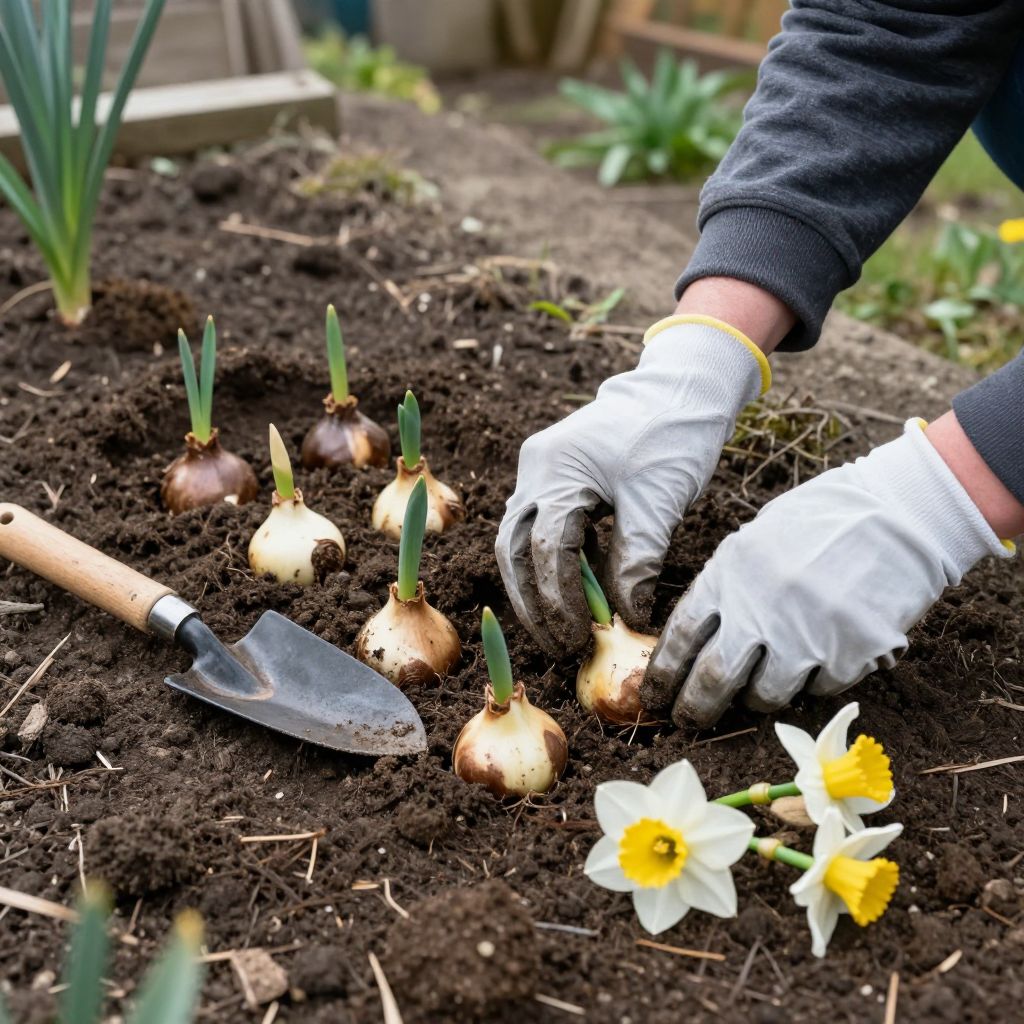
Can you plant bulbs in the spring? Yes, in many cases you can, but the results depend on the type of bulb and how quickly it can establish before hot weather arrives. Some spring-planted bulbs will bloom later the same season, while others mainly build roots and return better next year.
The key is choosing the right bulbs, planting them promptly, and giving them good drainage, steady moisture, and enough sun. If you treat spring planting as a recovery plan rather than a perfect substitute for fall planting, you can still get a very good display.
Can You Plant Bulbs In The Spring?
Yes, you can plant bulbs in the spring, but success depends on the bulb type and your climate. Hardy spring-flowering bulbs such as tulips, daffodils, and hyacinths are usually planted in fall, but spring planting can still work if the bulbs were stored properly and are firm, healthy, and not dried out. Summer-flowering bulbs and many tender bulbs are often planted in spring by design.
Which Bulbs Are Best Planted In Spring?
Not all “bulbs” behave the same way. Some are true bulbs, while others are tubers, corms, or rhizomes, but gardeners often group them together because their planting care is similar.
Bulbs that can often be planted in spring
- Summer-blooming bulbs such as lilies (Lilium), gladiolus (Gladiolus), dahlias (technically tubers), and cannas.
- Some hardy bulbs if they were missed in fall, including tulips, daffodils, crocus, and hyacinths, though bloom may be reduced or delayed.
- Bulbs sold for spring planting by nurseries, which are often pre-chilled or selected for warm-season planting.
Bulbs that usually do better planted in fall
- Most spring-blooming hardy bulbs that need winter chilling to flower well.
- Bulbs that have already begun active growth in storage and are soft, moldy, or shriveled.
If you are planting in spring, check the package or seller’s instructions first. Some bulbs need a cold period to bloom, while others are ready to grow once the soil warms.
What Happens If You Plant Spring-Blooming Bulbs Late?
Late-planted spring bulbs may still sprout, but they often produce fewer flowers because they have less time to develop roots before summer heat. In some climates, they may bloom weakly, bloom late, or skip flowering altogether and focus on leaf growth instead.
That does not mean the bulb is wasted. A healthy bulb that survives spring planting can often recharge underground and improve in later seasons, especially if you let the foliage mature naturally.
How To Plant Bulbs In Spring
Planting bulbs in spring is straightforward, but the details matter. Good soil preparation and correct depth help bulbs settle in quickly and resist rot.
Step-by-step planting guide
- Choose a suitable site. Most flowering bulbs prefer full sun to light shade, though some tolerate afternoon shade in hot climates.
- Check drainage. Bulbs rot easily in soggy soil, so avoid low spots where water collects after rain.
- Loosen the soil. Work the bed to a depth of about 8 to 12 inches so roots can spread easily.
- Mix in compost if needed. A few inches of finished compost can improve structure and moisture balance, especially in heavy clay or very sandy soil.
- Plant at the correct depth. A common rule is to plant bulbs about 2 to 3 times as deep as the bulb is tall, unless the bulb type has special instructions.
- Set bulbs upright. Place the pointed end up when possible. If you cannot tell, plant the bulb on its side; it will usually correct itself.
- Water after planting. Give the soil a thorough soaking to settle it around the bulb.
- Mulch lightly. A thin layer of organic mulch helps hold moisture and moderates soil temperature, but keep mulch off the bulb crown.
Spacing tips
Spacing depends on the bulb size and the look you want. Larger bulbs need more room, while smaller bulbs can be planted closer together for a fuller effect. Crowding too tightly can reduce airflow and increase rot risk.
Soil, Drainage, And Sunlight Requirements
Bulbs are most successful in loose, well-drained soil. If your soil stays wet for long periods, even spring planting can fail quickly because bulbs need oxygen around their roots.
Best soil conditions
- Texture: loose, crumbly soil that drains freely.
- Organic matter: compost to improve structure, especially in clay soil.
- pH: many bulbs prefer neutral to slightly acidic soil, but exact needs vary by species.
Sunlight needs
Most flowering bulbs perform best in full sun, meaning at least 6 hours of direct light daily. In hot regions, morning sun with afternoon shade can help protect blooms and foliage from heat stress.
If you are planting bulbs under trees, remember that spring bulbs often bloom before tree leaves fully expand. That makes woodland edges and deciduous shade areas especially useful for some species.
Watering Bulbs Planted In Spring
Newly planted bulbs need consistent moisture to root in, but they should never sit in waterlogged soil. The goal is evenly moist, not soggy.
Practical watering advice
- Water thoroughly after planting to settle the soil.
- After that, water when the top inch or two of soil begins to dry, depending on weather and soil type.
- In cool, rainy springs, you may need little extra water.
- In warm or windy conditions, spring-planted bulbs dry out faster and may need more frequent attention.
Container-grown bulbs dry out more quickly than bulbs in the ground. Check pots often, especially in sun and wind, and make sure containers have drainage holes.
Should You Fertilize Spring-Planted Bulbs?
Bulbs do not need heavy feeding at planting time, and too much fertilizer can encourage soft growth or root burn. A light application of compost is often enough for many home gardens.
When fertilizer helps
- In poor or depleted soil.
- When bulbs are expected to bloom and then recharge for next year.
- For container plantings, where nutrients are used up faster.
If you choose to fertilize, use a balanced bulb or all-purpose fertilizer according to the product label and local soil conditions. Avoid placing fertilizer directly against the bulb.
What To Expect From Spring-Planted Bulbs
Be realistic about bloom timing. Some bulbs planted in spring may flower later than expected, while others may produce mostly foliage the first season.
Common outcomes
- Same-season bloom: more likely with summer-flowering bulbs and warm-season types.
- Delayed bloom: common with hardy bulbs planted late.
- Foliage only: possible when bulbs need more chilling or more time to establish.
If the bulb flowers, deadhead spent blooms but leave the leaves in place until they yellow naturally. The foliage feeds the bulb for future growth.
Care After Planting
After spring planting, your main job is to protect the bulb while it roots and grows. That means avoiding overwatering, keeping weeds down, and letting the foliage do its work.
Maintenance checklist
- Keep the bed weed-free so bulbs do not compete for moisture and nutrients.
- Water during dry spells, especially while shoots are emerging.
- Remove faded flowers if needed, but do not cut green leaves too early.
- Watch for pests and rot symptoms as temperatures rise.
For bulbs that bloom above ground, staking may help taller stems stay upright in wind or rain. This is especially useful for gladiolus and some lilies.
Common Problems And How To Fix Them
Bulbs rot before sprouting
This usually means the soil is too wet, the planting hole drained poorly, or the bulb was already damaged. Improve drainage, plant in raised beds if needed, and discard any soft or moldy bulbs.
Leaves emerge but no flowers appear
Late planting, insufficient sun, or a bulb that needed winter chilling can all cause this. Let the foliage mature, then assess whether the bulb can be left in place for next year.
Bulbs produce weak, floppy growth
This can happen in low light or overly rich soil. Move future plantings to a sunnier spot and avoid excessive nitrogen fertilizer.
Pests damage bulbs or shoots
Squirrels, voles, rabbits, and deer may dig up or browse bulbs and foliage. Use physical barriers, wire baskets, or repellents where appropriate, and choose less palatable bulbs if wildlife pressure is high.
Can You Plant Bulbs In Pots In Spring?
Yes, and container planting is a good option if your garden soil is heavy or poorly drained. Pots warm up faster than ground soil, which can help spring-planted bulbs get moving sooner.
Container tips
- Use a pot with drainage holes.
- Choose a high-quality potting mix, not garden soil.
- Plant bulbs at the recommended depth for the species.
- Water when the top layer of mix starts to dry.
- Keep containers in bright light.
Because pots dry out and heat up faster, container bulbs often need closer monitoring than bulbs in the ground.
How To Decide Whether Spring Planting Is Worth It
Spring planting is worth trying if the bulbs are healthy, your soil drains well, and you are planting a type that can still perform. It is less worthwhile if the bulbs are shriveled, the site stays wet, or the species depends heavily on fall planting and winter chill.
A good rule is this: if the bulb is firm, the planting site is suitable, and the seller recommends spring planting, go ahead. If not, it may be better to compost the damaged bulb and plan a proper fall planting instead.
Conclusion
So, can you plant bulbs in the spring? Absolutely, as long as you match the bulb type to the season and give it the right conditions. Focus on drainage, sunlight, correct planting depth, and steady moisture, then be patient if blooms are delayed.
If you want to improve your results, choose spring-suitable bulbs first and compare them with bulb planting basics for home gardens and how to care for flowering bulbs after bloom before you get started.