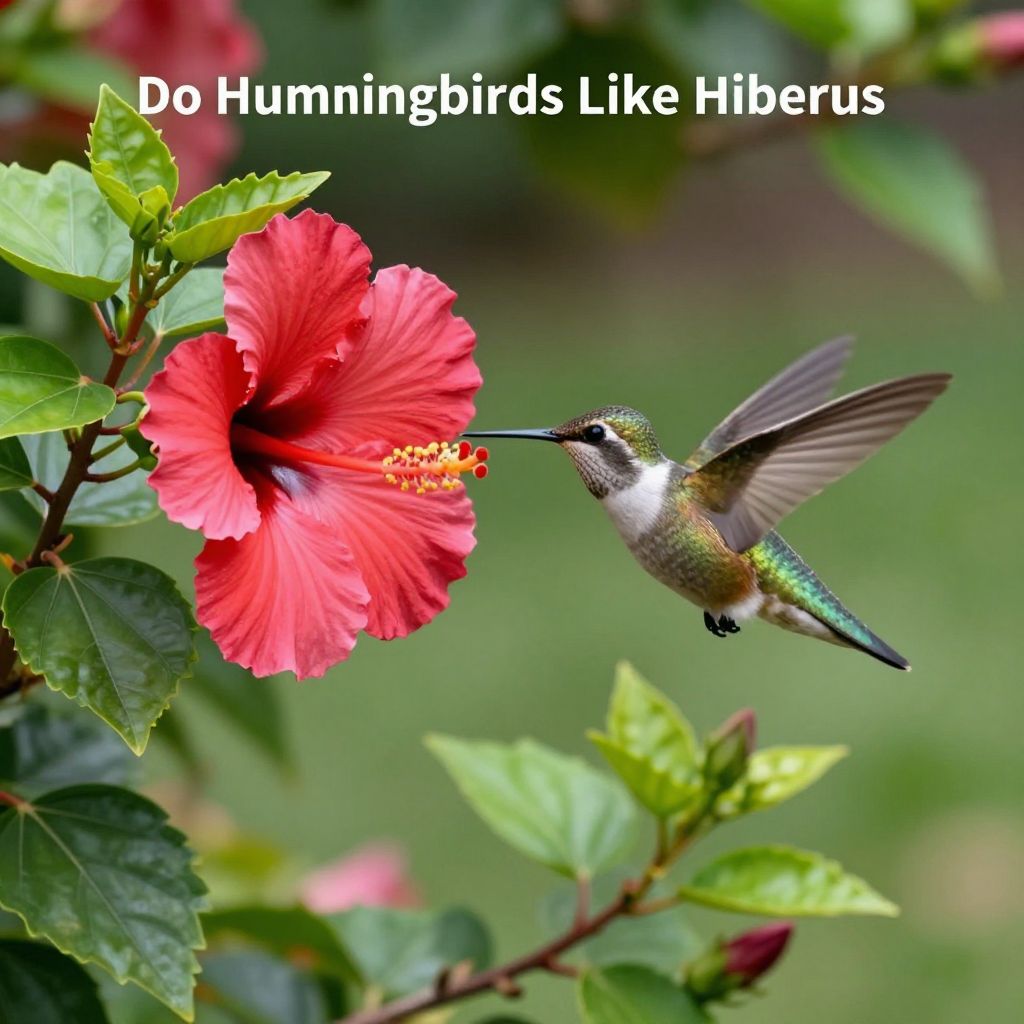
Do hummingbirds like hibiscus? Yes—often very much, especially when the plant produces lots of nectar-rich blooms. Hibiscus flowers are not the highest-nectar plants in every garden, but their large, colorful blossoms can attract hummingbirds when they’re grown in sunny, healthy conditions and paired with other bird-friendly plants.
If you want hummingbirds to visit more often, focus on growing hibiscus well first. A stressed plant with few flowers will not be nearly as appealing as a vigorous one covered in blooms, so good light, drainage, and steady care matter just as much as the flower itself.
Do hummingbirds like hibiscus?
Hummingbirds are attracted to hibiscus because the flowers are large, bright, and shaped in a way that makes nectar easy to reach with their long bills. Tropical hibiscus and hardy hibiscus can both draw visits, but the best results come from plants that bloom heavily in full sun and are part of a nectar-rich garden.
Why hibiscus can attract hummingbirds
Flower color and shape matter
Hummingbirds are especially drawn to red, orange, pink, and coral flowers, though they will also visit yellow and other bright tones. Hibiscus blooms are often bold and open, which makes them easy for hummingbirds to spot from a distance.
The flower structure also helps. The protruding stamens and open center give hummingbirds a convenient feeding target, even though the nectar supply may vary by species, cultivar, weather, and plant health.
Nectar is only part of the appeal
Hummingbirds do not visit flowers for nectar alone. They also look for reliable feeding routes, safe perches, and a garden with repeated blooms. A single hibiscus plant can help, but a cluster of flowering plants usually works much better.
- Bright bloom color helps birds notice the plant.
- Repeated flowering keeps visits coming back.
- Healthy growth increases the number of blossoms.
- Nearby shelter makes the area feel safer to feed in.
Which hibiscus types are most likely to draw hummingbirds?
Tropical hibiscus
Hibiscus rosa-sinensis is a common ornamental choice in warm climates and containers. Its large, showy flowers are often very attractive to hummingbirds, especially when the plant is grown outdoors in bright light and kept blooming through the warm season.
Hardy hibiscus
Hardy hibiscus, such as Hibiscus moscheutos and related hybrids, can also attract hummingbirds. These plants produce huge flowers and strong summer displays, making them useful in perennial borders where hummingbirds already feed on other nectar plants.
Rose of Sharon
Hibiscus syriacus, commonly called rose of Sharon, is another hibiscus relative that can bring in hummingbirds. Its shrub form is especially useful for hedges and mixed borders because it offers flowers on a larger, woody plant that can bloom for a long stretch in summer.
How to grow hibiscus for more hummingbird visits
Give the plant enough sun
Most hibiscus bloom best in full sun, though some afternoon shade can help in very hot climates. More sunlight usually means more flowers, and more flowers mean more chances for hummingbirds to stop by.
If your hibiscus is leafy but not blooming, move it to a brighter spot if possible. In very hot regions, a little afternoon protection may prevent sun scorch, but too much shade often reduces flowering.
Use rich, well-drained soil
Hibiscus prefers soil that holds moisture without staying soggy. A loose, fertile garden bed or a quality container mix with good drainage supports steady growth and better bloom production.
Before planting, work in compost if your soil is poor or compacted. This improves structure and helps roots spread, but avoid making the soil overly heavy or waterlogged.
Water consistently, not randomly
Hibiscus performs best when the soil stays evenly moist during active growth. Dry spells can cause bud drop or fewer blooms, while constantly wet soil can lead to root problems.
- Check the top inch or two of soil before watering.
- Water deeply when the soil begins to dry out.
- Use mulch outdoors to slow moisture loss.
- For containers, make sure excess water can drain freely.
Feed lightly and avoid overdoing nitrogen
Too much nitrogen can produce lush leaves but fewer flowers. For hummingbirds, bloom production matters more than fast leafy growth, so use a balanced approach to feeding rather than pushing the plant with heavy fertilizer.
If your hibiscus is in a container, nutrients can wash out faster than in the ground. Follow the product label and adjust based on plant response, local climate, and how quickly the pot dries out.
Planting and placement tips
Choose a visible spot
Hummingbirds are more likely to notice hibiscus when the flowers are easy to see from above and nearby flight paths. Place the plant near a patio, walkway, or open border where birds can spot it quickly.
Try to avoid burying it deep inside dense shrubs unless you are also providing open space nearby. Hummingbirds like to dart in, feed, and move on.
Group hibiscus with other nectar plants
A single hibiscus can attract attention, but a mixed planting is much better. Combine it with other hummingbird favorites that bloom at different times so the garden offers a steady nectar source.
- Salvia
- Bee balm (Monarda)
- Penstemon
- Trumpet vine, where appropriate and manageable
- Native flowering shrubs and perennials suited to your region
Mixing bloom shapes and bloom times helps create a more reliable feeding area. That matters because hummingbirds often return to gardens that offer repeated rewards.
Pruning hibiscus for better flowering
When to prune
Pruning helps keep hibiscus compact, encourages branching, and can improve bloom production. The best timing depends on the type of hibiscus and your climate, so avoid hard pruning at the wrong season if your plant is sensitive to cold.
In general, remove dead, damaged, or crossing stems as needed, and shape the plant after a major bloom flush or during the appropriate dormant period for your type of hibiscus.
What to remove
- Dead or broken stems
- Weak, crowded, or rubbing branches
- Spent flowers if you want a tidier plant
- Any growth showing disease or pest damage
A well-shaped plant often blooms more evenly, which can make it more attractive to hummingbirds over a longer period.
Common problems that reduce hummingbird interest
Few blooms
If your hibiscus is not flowering much, hummingbirds may pass it by. The most common causes are too little sun, too much nitrogen, inconsistent watering, or pruning at the wrong time.
Fix: Increase light, adjust feeding, and keep the plant evenly watered. If the plant is rootbound in a pot, repotting may also improve flowering.
Pests and sticky leaves
Aphids, whiteflies, mealybugs, and spider mites can weaken hibiscus and distort new growth. Some of these pests also leave honeydew, which can make leaves sticky and invite sooty mold.
Fix: Inspect the undersides of leaves regularly. A strong spray of water can dislodge light infestations, while heavier problems may need repeated treatment with insecticidal soap or another appropriate control method labeled for the pest and plant.
Bud drop
Hibiscus buds may drop when the plant is stressed by heat, cold, dryness, sudden changes in light, or root disturbance. If buds fall before opening, hummingbirds lose the chance to feed.
Fix: Keep conditions as steady as possible. Avoid moving potted plants repeatedly, and protect them from extreme swings in moisture and temperature.
Poor drainage
Waterlogged soil can cause root decline and fewer flowers. A plant struggling below ground will not produce the nectar-rich display you want above ground.
Fix: Improve drainage with compost in mild cases, or move container plants to a pot with ample drainage holes and fresh mix if the root zone stays wet too long.
How to make a hummingbird-friendly hibiscus planting
Simple design ideas
To get more hummingbird traffic, think beyond one plant. A layered planting with hibiscus, companion nectar flowers, and some nearby shelter gives birds both food and a quick place to rest.
- Plant hibiscus where it gets strong light and is easy to see.
- Add several other nectar plants with staggered bloom times.
- Keep the area free of heavy clutter so birds can approach safely.
- Include a nearby shrub or small tree for perching and cover.
- Maintain steady moisture and remove weak growth when needed.
Container growing tips
Container hibiscus can be excellent for patios, balconies, and small yards. Use a large pot with drainage holes, and choose a location with bright light and some protection from harsh winds.
Because containers dry out faster, you may need to water more often than in the ground. The exact frequency depends on pot size, weather, and the plant’s growth stage, so check the soil rather than relying on a fixed schedule.
Do you need feeders if you grow hibiscus?
Hibiscus can help attract hummingbirds, but it usually works best alongside a feeder or other nectar plants. Flowers alone may not provide enough consistent food, especially during migration or during periods when blooms are sparse.
If you use a feeder, keep it clean and place it where you can monitor it. A healthy garden plus a well-maintained feeder often gives you the best chance of regular hummingbird visits.
Conclusion
So, do hummingbirds like hibiscus? Yes, they often do—especially when the plant is healthy, sun-grown, and blooming well. If you want more visits, focus on light, drainage, consistent moisture, and companion plants that extend the nectar season.
For more practical help with building a bird-friendly garden, you may also enjoy reading about how to attract hummingbirds with native flowering plants and container care tips for blooming tropical hibiscus.