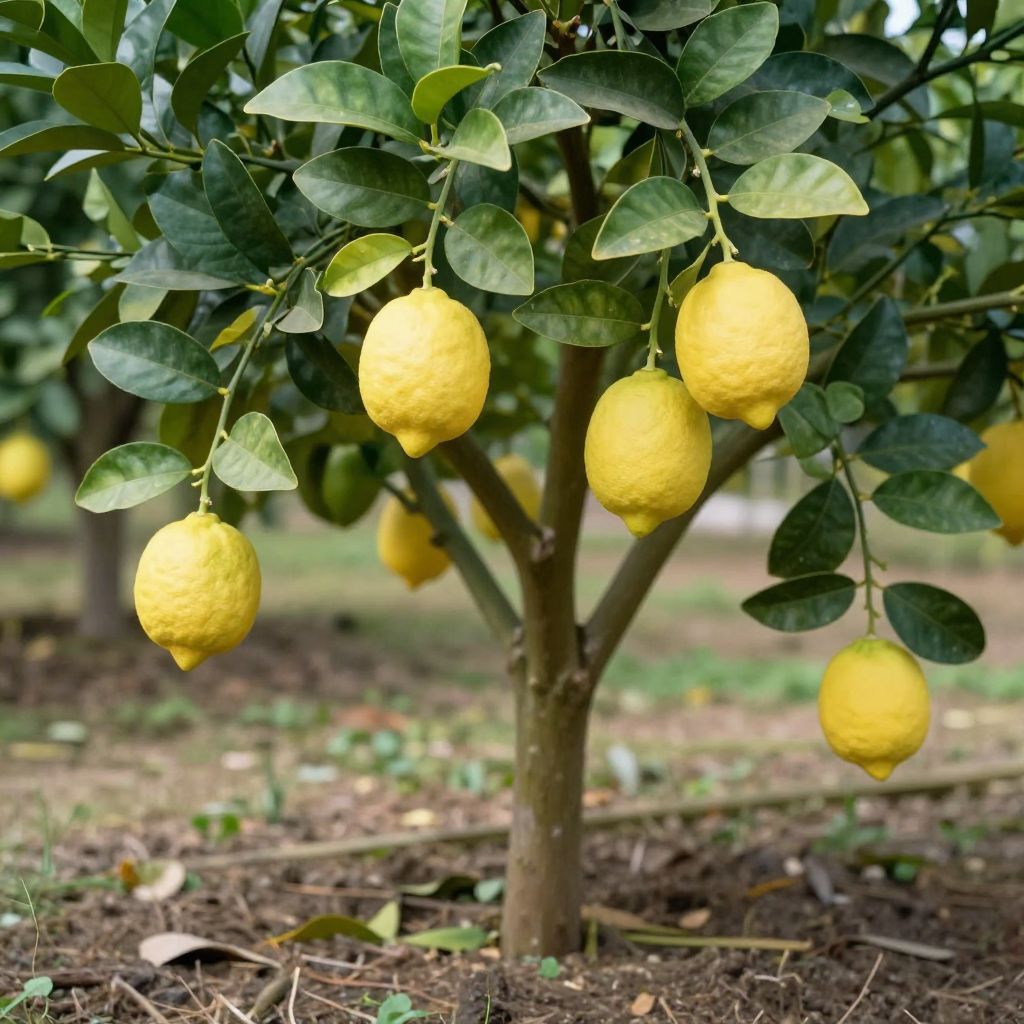
Do lemons grow on trees? Yes—lemons grow on evergreen citrus trees, not on vines or shrubs. A healthy lemon tree can produce fragrant white blossoms, then green fruit that ripens to yellow as it matures, provided it gets enough sun, warmth, water, and well-drained soil.
If you want to grow lemons at home, the key is matching the plant to your climate and giving it steady care. Whether you grow a lemon tree in the ground or in a container, good drainage, strong light, and protection from cold make the biggest difference.
Do lemons grow on trees?
Lemons grow on lemon trees, usually Citrus limon. These are small to medium evergreen trees that can be grown outdoors in mild climates or in pots in colder regions. They need full sun, fertile but free-draining soil, and protection from frost to produce good fruit.
What a lemon tree needs to grow well
Lemon trees are not difficult, but they are particular about a few basics. If you get those right, the plant is much more likely to flower, set fruit, and stay healthy.
Sunlight
Lemon trees need full sun, ideally 6 to 8 hours or more each day. More light usually means better flowering and fruiting, especially outdoors.
Indoors, place the tree in the brightest window you have, often south- or west-facing. If natural light is weak, a grow light can help keep the tree compact and productive.
Soil and drainage
The most common mistake with lemons is soggy soil. Citrus roots dislike sitting in water, so the soil should drain quickly while still holding some moisture.
- Use a loose, well-draining potting mix for containers.
- In the ground, improve heavy soil with compost and organic matter, but avoid making it dense or muddy.
- Make sure pots have drainage holes.
Poor drainage can cause root rot, yellow leaves, and stunted growth. If your soil stays wet for long periods, fix that before planting a lemon tree.
Temperature and climate
Lemons are warm-climate plants. They grow best where winters are mild and frost is rare. Even brief cold snaps can damage leaves, flowers, and young fruit.
If you live in a cooler region, container growing is often the easiest option because you can move the tree indoors or into a protected space during cold weather.
How to plant a lemon tree
Planting correctly gives the tree a strong start. The process is similar whether you buy a young tree from a nursery or grow one in a large container.
- Choose a sunny site or a large pot with drainage holes.
- Prepare soil that drains well and is not compacted.
- Set the tree at the same depth it was growing in its nursery pot.
- Backfill gently and water thoroughly to settle the roots.
- Mulch lightly outdoors, keeping mulch a few inches away from the trunk.
If planting in the ground, avoid low spots where water collects after rain. A slightly raised planting area can help in heavy soil.
Container growing tips
Containers are a smart choice if you want control over soil and winter protection. Start with a pot that is large enough for root growth, then repot as the tree outgrows it.
- Use a potting mix made for citrus or a fast-draining mix.
- Choose a pot that is stable enough not to tip as the tree grows.
- Repot when roots become crowded or water runs through too quickly.
Watering and feeding lemon trees
Lemon trees like consistent moisture, but they do not want to be waterlogged. Water deeply, then let the top layer of soil begin to dry before watering again.
The exact timing depends on weather, pot size, soil type, and whether the tree is growing actively. In hot, windy conditions, container trees may need water more often than in cool weather.
How to tell when to water
Check the soil with your finger. If the top 1 to 2 inches feel dry, it is usually time to water again. For potted trees, lift the pot if you can; a much lighter pot often means the soil is drying out.
Signs of underwatering include curled leaves, drooping growth, and fruit drop. Signs of overwatering include yellowing leaves, soft growth, and soil that stays wet for days.
Feeding citrus
Lemon trees are moderate to heavy feeders when actively growing. A balanced citrus fertilizer or a fertilizer made for fruiting citrus can support healthy leaves, flowers, and fruit development.
Use fertilizer according to the product label and your tree’s size and growth stage. Avoid overfeeding, especially with high-nitrogen products, which can push leafy growth at the expense of fruit.
Pruning and shaping lemon trees
Pruning helps maintain shape, improve airflow, and remove weak or damaged growth. It also makes the tree easier to manage, especially in a container.
- Remove dead, damaged, or crossing branches.
- Thin crowded growth to improve light penetration.
- Trim suckers from below the graft if your tree is grafted.
- Keep the canopy balanced so the tree does not become top-heavy.
Light pruning is usually better than heavy cutting. If you remove too much at once, the tree may respond with lots of leafy growth and fewer flowers.
When to prune
Prune after the main fruiting period or when the tree is not under stress. Avoid major pruning during extreme heat, cold, or drought.
Flowering, fruit set, and ripening
Lemon trees often flower more than they can mature into fruit. That is normal. Some flowers drop naturally, and young fruit may also fall if the tree is stressed.
Good pollination, steady moisture, and enough light all help fruit set. Outdoors, insects usually handle pollination. Indoors, you may need to gently shake the branches or use a soft brush to move pollen between flowers if fruit set is poor.
Why lemons stay green
Lemons can be fully mature while still green, especially in warm climates. Yellow color often develops as temperatures cool or as fruit continues to ripen on the tree.
If fruit is staying green for a long time, that does not always mean it is unripe. Check size, aroma, and firmness along with color.
Common problems when growing lemons
Most lemon tree problems come from stress: too much water, too little light, cold weather, or pests. Catching the issue early makes it much easier to correct.
Yellow leaves
Yellowing can mean overwatering, poor drainage, nutrient deficiency, or cold stress. Look at the whole plant, not just the leaf color.
- If soil is wet: reduce watering and improve drainage.
- If the plant is in a pot: check whether roots are crowded.
- If new leaves are pale: the tree may need feeding.
Leaf drop
Lemon trees may drop leaves when moved suddenly, exposed to cold drafts, or watered irregularly. A little leaf drop after relocation is common, but ongoing loss means the plant is unhappy.
Pests
Common citrus pests include aphids, scale, mealybugs, spider mites, and whiteflies. Check the undersides of leaves and stems regularly, especially on indoor trees.
Simple control steps include rinsing pests off with water, wiping small infestations by hand, and pruning heavily infested growth. Keep the tree clean and well-ventilated to reduce repeat problems.
Diseases
Root rot is one of the biggest risks, especially in wet soil. Fungal leaf spots and sooty mold may also appear when pests are present or air circulation is poor.
The best prevention is healthy culture: bright light, good drainage, sensible watering, and prompt cleanup of fallen leaves or fruit.
Propagating lemon trees
You can propagate lemons, but the method matters. Seeds may grow into trees, but seedlings often do not come true to the parent plant and can take a long time to fruit.
For reliable fruiting, most home gardeners buy grafted trees from a nursery. Grafted trees usually bear sooner and are more predictable than seed-grown plants.
Seed-grown vs. grafted plants
- Seed-grown: useful for experimentation, but fruit quality and timing are uncertain.
- Grafted: the best choice for dependable home harvests.
Harvesting lemons
Harvest lemons when they are full-sized, firm, and have developed the expected color for the variety and growing conditions. They should come off with a gentle twist or snip rather than a hard pull.
If you are unsure, taste one fruit before picking the whole crop. Lemons do not always ripen evenly, so harvest may need to happen in stages.
How to pick without damaging the tree
- Use clean pruners or scissors for stubborn stems.
- Support the fruit as you cut to avoid tearing the branch.
- Handle the tree gently to prevent breaking young shoots.
Growing lemons outdoors vs. indoors
Outdoors, lemon trees need a mild climate and a sheltered, sunny position. They can become attractive landscape trees or patio specimens if winter temperatures stay suitable.
Indoors, the main challenge is light. Indoor lemon trees need the brightest possible location, stable temperatures, and careful watering because indoor soil often dries more slowly than outdoor soil.
Indoor care reminders
- Rotate the pot occasionally for even growth.
- Watch for dry indoor air, especially near heating vents.
- Keep the tree away from cold drafts and sudden temperature swings.
Conclusion
So, do lemons grow on trees? Absolutely—and with the right conditions, a lemon tree can be a rewarding plant for both beginners and experienced gardeners. Focus on sun, drainage, steady watering, and frost protection, and you will give your tree the best chance to thrive.
If you want to keep learning, look for more practical guides on citrus tree care and growing fruit trees in containers to help you choose the right setup for your garden.