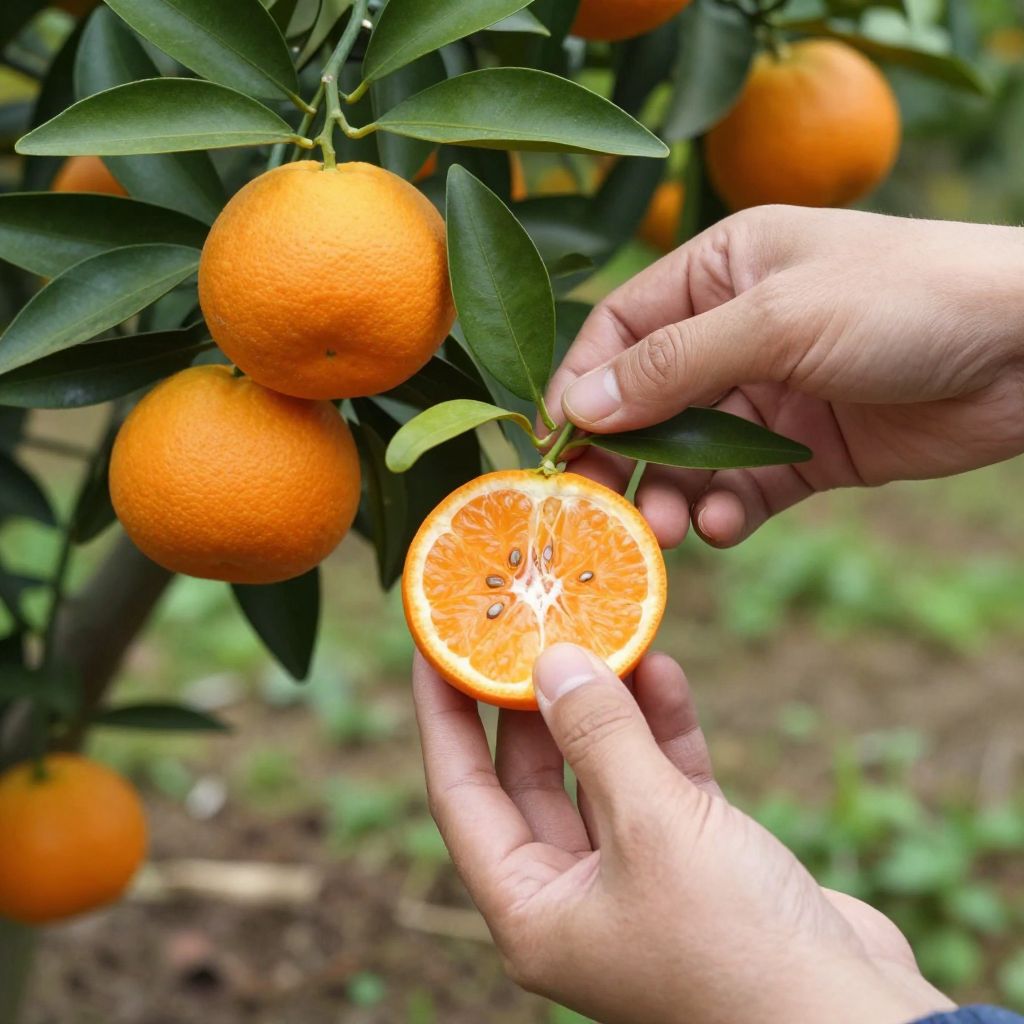
Do mandarins have seeds? Sometimes, yes—but many mandarins are nearly seedless, especially when grown without nearby cross-pollinating citrus. If you bite into a seeded mandarin, it usually means bees carried pollen from another compatible citrus flower, or the variety naturally produces a few seeds.
For gardeners, seediness matters because it can affect fruit quality, pollination, and even what happens if you save seeds to grow a new tree. Here’s how to tell why your mandarins have seeds, how to reduce them, and what to expect if you want to grow mandarins at home.
Do mandarins have seeds?
Yes, mandarins can have seeds, but many cultivars are low-seeded or seedless under the right growing conditions. Seed count depends on the variety, whether the flowers were pollinated by another citrus, and whether bees or other insects moved pollen between nearby trees.
Why some mandarins are seedless and others are not
Mandarins are a group of citrus fruits that includes many types such as clementines, satsumas, and tangerines. Some are naturally more likely to be seedless, while others produce seeds more readily when cross-pollinated.
Pollination is the biggest factor
Mandarin flowers can set fruit without needing another tree of the same type, but nearby pollen from another citrus can change the result. If bees visit your tree and carry pollen from oranges, lemons, grapefruits, or another mandarin, the fruit may develop seeds.
Variety matters
Some mandarins are bred or selected for low seed counts. Others are simply more prone to seeds. If you want reliably seedless fruit, choose a known low-seed cultivar and ask a local nursery which types perform best in your area.
Growing conditions can influence seediness
Stress does not usually create seeds directly, but poor flowering, irregular moisture, and weak tree health can affect fruit set and quality. A healthy tree is more likely to produce consistent fruit, while a stressed tree may drop flowers or make smaller, uneven fruit.
How to tell whether your mandarin tree will make seeded fruit
If your tree is already fruiting, the best clue is what you see on the tree and in the neighborhood. A single isolated mandarin tree often produces fewer seeds than one planted near other citrus, while an orchard or mixed citrus planting may produce more seeded fruit.
- Nearby citrus trees: oranges, lemons, grapefruits, and other mandarins can increase seed set.
- Bee activity: more pollinators usually means more cross-pollination.
- Variety name: some cultivars are known for very low seed counts, while others are not.
- Fruit from different parts of the tree: seed count can vary from fruit to fruit.
Can you grow a mandarin tree from seeds?
You can grow a mandarin from seed, but it is not the best way to get the same fruit as the parent. Citrus seedlings often take years to mature, and the fruit may not match the original tree in flavor, seediness, or productivity.
What to expect from seed-grown mandarins
- They usually grow more slowly than grafted trees.
- They may not produce fruit for several years.
- The new tree may be different from the fruit you ate.
- Some seedlings are useful as rootstocks, not as fruiting trees.
If your goal is home harvests, a grafted mandarin tree is usually the better choice. Grafted trees are more predictable, often fruit sooner, and are more likely to match the named variety you bought.
Best growing conditions for healthy mandarin trees
Healthy trees produce better fruit, so good care matters whether you want fewer seeds or just better mandarins overall. Mandarins generally prefer a warm, sunny site with well-drained soil and regular care suited to your climate.
Sunlight
Give your mandarin tree full sun for the best flowering and fruiting. In very hot climates, a little afternoon shade can reduce stress on young trees, but too much shade usually lowers fruit quality.
Soil and drainage
Mandarins do best in soil that drains well. Heavy, soggy soil can lead to root problems and poor growth, so improve planting areas with organic matter if needed and avoid spots where water stands after rain.
- Loamy soil is ideal.
- Raised beds or mounded planting can help in poorly drained sites.
- Compost improves soil structure, but do not bury the trunk flare.
Watering
Water deeply when the top layer of soil begins to dry, especially during establishment, flowering, and fruit development. Avoid frequent shallow watering, which encourages weak roots near the surface.
Because climate and soil vary so much, check the soil with your fingers before watering. In sandy soil, you may need to water more often; in clay soil, less often but more carefully to avoid saturation.
Mulch
A 2 to 4 inch layer of mulch helps conserve moisture and moderate soil temperature. Keep mulch a few inches away from the trunk so the bark stays dry and air can circulate.
How to reduce seeds in mandarins
You cannot always make mandarins completely seedless, but you can often reduce seed count with smart planting and care. The goal is to limit unwanted cross-pollination and choose the right tree for your space.
- Choose a low-seed variety from a reputable nursery.
- Plant away from other citrus if seedless fruit is important to you.
- Encourage good airflow so the tree stays healthy, but avoid planting right beside mixed citrus blocks.
- Manage pollinators only if necessary; do not spray broad-spectrum insecticides during bloom, since that harms bees and beneficial insects.
- Keep the tree vigorous with proper sun, water, and drainage.
If you already have mixed citrus nearby, some seeds may be unavoidable. In that case, focus on fruit quality, sweetness, and tree health rather than trying to eliminate every seed.
Pruning and maintenance for productive mandarin trees
Pruning helps keep the canopy open, manageable, and healthy. For mandarins, light shaping is usually better than heavy cutting, especially on young trees.
Pruning basics
- Remove dead, damaged, or crossing branches.
- Thin crowded growth to improve light inside the canopy.
- Cut back water sprouts and suckers from the rootstock.
- Avoid removing too much foliage at once.
Too much pruning can reduce fruiting and expose branches to sunburn. A balanced canopy helps the tree flower well and supports consistent fruit development.
Feeding the tree
Use a citrus fertilizer or a balanced feeding plan appropriate for your soil and climate. Overfertilizing can create lots of leafy growth with less fruit, so follow product directions and adjust based on tree vigor and leaf color.
Common problems that affect mandarin fruit
Several issues can make fruit look poor, taste bland, or develop more seeds than expected. Most are manageable if you catch them early.
Too much shade
Low light weakens flowering and fruit quality. If the tree is under large shade trees or beside a building that blocks sun, consider selective pruning nearby or transplanting a young tree to a brighter spot.
Irregular watering
Dry spells followed by heavy watering can stress the tree and affect fruit development. Keep moisture more even, especially while fruit is sizing up.
Pests
Common citrus pests may include scale, aphids, mites, and leafminers. Inspect leaves and stems regularly, especially on new growth.
- Use a strong water spray for light infestations.
- Encourage beneficial insects by avoiding unnecessary sprays.
- Prune out heavily infested shoots when practical.
Diseases and root problems
Poor drainage can lead to root decline, while some citrus diseases spread through infected plant material or pests. Buy healthy nursery stock, keep tools clean, and avoid planting in waterlogged soil.
Harvesting mandarins at the right time
Mandarins do not ripen much after harvest, so taste and color matter. Fruit should feel full, smell fragrant, and separate from the stem with a gentle twist when ready.
- Check flavor before picking the whole crop.
- Harvest in stages if fruit on the same tree ripens unevenly.
- Do not leave overripe fruit hanging too long, as quality can decline.
Seeded mandarins are still perfectly usable for eating fresh. If the fruit tastes good, the seeds are usually just a minor inconvenience rather than a sign of a problem.
Should you save mandarin seeds?
You can save seeds if you want to experiment, but remember that seedlings are not true-to-type. If you want a reliable fruiting tree, buy a grafted plant instead of depending on seed-grown offspring.
If you do save seeds, plant them fresh, keep them warm, and use a free-draining seed-starting mix. Even then, the resulting tree may take a long time to fruit and may not resemble the parent.
Quick answers to common mandarin seed questions
Are all mandarins seedless?
No. Some are nearly seedless, but many can develop seeds depending on pollination and variety.
Do seeds mean the fruit is bad?
No. Seeded mandarins can still taste excellent. Seeds mainly affect convenience, not necessarily flavor.
Will one mandarin tree pollinate itself?
Many mandarins can set fruit on their own, but cross-pollination from nearby citrus often increases seediness.
Can I plant a mandarin tree near lemons or oranges?
Yes, but expect more chance of seeded fruit if the trees bloom at the same time and pollinators move pollen between them.
Conclusion
So, do mandarins have seeds? They can, but the amount depends mostly on variety and pollination. If you want fewer seeds, choose a low-seed cultivar, give the tree full sun and well-drained soil, and plant it away from other citrus when possible. For the best results, start with a healthy grafted tree and manage it for steady growth.
For more practical citrus care, you may also want to read about how to grow citrus in containers and pruning fruit trees for better harvests.