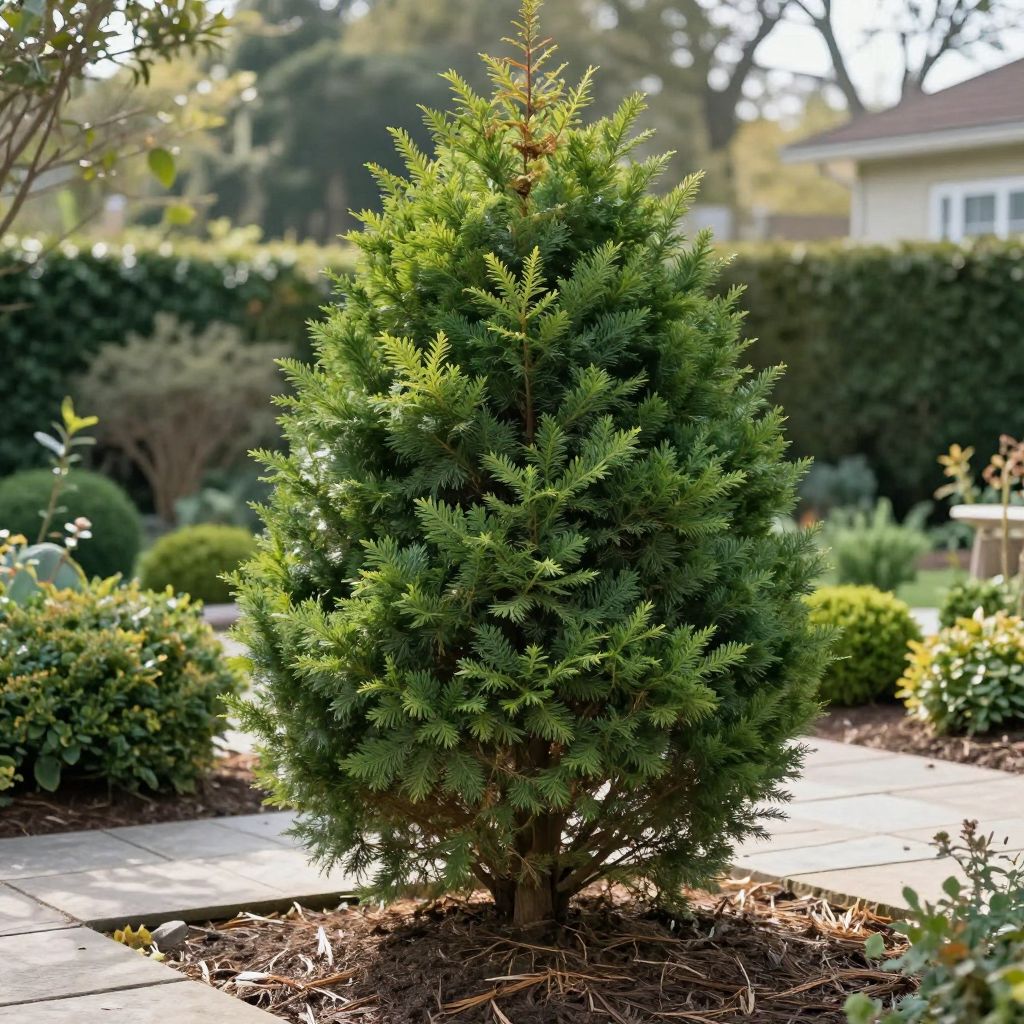
What kind of tree is the tree of life? In gardening, that name most often points to thuja, especially Thuja occidentalis and related arborvitae types. These are evergreen conifers valued for hedges, screens, and foundation plantings because they stay dense, respond well to pruning, and handle a range of garden conditions.
If you are trying to identify one in a yard or nursery, look for flat, fan-like sprays of scale leaves, a narrow upright form, and small cone-like seed structures. Once you know what it is, you can give it the right light, soil, water, and spacing so it stays healthy instead of thinning out or browning.
What kind of tree is the tree of life?
The “tree of life” in gardening usually refers to arborvitae, a group of evergreen trees and shrubs in the genus Thuja. The most common landscape species are Thuja occidentalis and Thuja plicata. They are popular for privacy hedges, windbreaks, and formal garden structure because they are evergreen and easy to shape.
How to identify arborvitae in the landscape
Arborvitae are easy to recognize once you know the key features. They do not have needles like pine or spruce; instead, they have soft, flattened sprays of tiny scale-like foliage.
Look for these traits
- Foliage: flat, fan-shaped sprays of overlapping scales
- Form: naturally upright, columnar, conical, or rounded depending on the type
- Color: usually medium to dark green, sometimes golden or bronze in winter
- Cones: small, elongated seed cones, not large woody cones
- Texture: soft and dense rather than spiky
If the plant has broad leaves, feathery needles, or peeling bark, it is probably not arborvitae. When in doubt, compare the foliage to other common evergreens in your area before planting or pruning.
Best growing conditions for tree of life plants
Arborvitae grow best in full sun to light shade and in soil that drains well but does not dry out for long periods. They tolerate many soil types, but they struggle in compacted, waterlogged, or very dry sites. Good air circulation also helps reduce disease problems.
Soil and drainage
These trees prefer loamy soil, but they can adapt if drainage is decent. If your soil stays soggy after rain, plant on a slight mound or choose a different site. In heavy clay, improve the planting area with compost and avoid digging a deep “bathtub” hole that fills with water.
Sunlight
Most arborvitae stay denser and greener in full sun. In hotter climates, afternoon shade can reduce stress and winter scorch. Too much shade often leads to sparse growth, especially on the lower branches.
Space and airflow
Give the plant enough room for its mature width. Crowding is one of the most common mistakes with arborvitae hedges, because plants that are packed too tightly can thin out inside and become harder to recover later.
Planting arborvitae the right way
Proper planting matters more than most gardeners realize. A healthy arborvitae planted badly can struggle for years, while a well-planted one usually settles in quickly.
- Choose a site with suitable light and drainage.
- Dig a hole as deep as the root ball and 2 to 3 times as wide.
- Remove the plant from the container and loosen circling roots if present.
- Set the root flare level with or slightly above the surrounding soil.
- Backfill with the native soil you removed, breaking up large clumps.
- Water thoroughly to settle the soil.
- Mulch with 2 to 3 inches of organic mulch, keeping it away from the trunk.
Do not bury the trunk under mulch or soil. Excess moisture around the base can lead to rot and decline.
Container-grown vs. balled-and-burlapped plants
Container-grown arborvitae are usually easier for home gardeners because the roots are intact and easier to inspect. Balled-and-burlapped plants can work well too, but they need careful handling and prompt watering after planting.
Watering and feeding the tree of life
Arborvitae need consistent moisture while they establish, but they do not like constantly wet soil. The goal is even moisture, not saturation.
Watering guidance
- Water deeply after planting.
- Check soil moisture regularly during the first growing season.
- Water when the top few inches of soil begin to dry, especially in hot or windy weather.
- Reduce watering as the plant establishes, but do not let it dry out completely for long periods.
In established plantings, deep watering during dry spells is usually better than frequent shallow watering. Shallow watering encourages surface roots and stress.
Fertilizer needs
Arborvitae usually do not need heavy feeding. If growth is weak and soil is poor, a light application of a balanced slow-release fertilizer in spring may help, but a soil test is the best guide. Overfertilizing can push soft growth that is more prone to stress and winter injury.
Pruning and shaping arborvitae
Arborvitae can be pruned lightly to maintain size or shape, but they do not regenerate well from hard cuts into old bare wood. That is an important difference from some deciduous shrubs.
How to prune safely
- Trim lightly in late spring or early summer if needed.
- Remove dead, broken, or rubbing branches anytime.
- Shorten only the green outer growth when shaping.
- Avoid cutting back into leafless interior wood unless you are removing the entire branch.
If you want a formal hedge, prune a little and often rather than waiting until the plants are overgrown. Keep the top slightly narrower than the base so lower branches get enough light.
Common pruning mistakes
- Shearing too hard and exposing brown interior stems
- Cutting the top flat while leaving the base too narrow
- Pruning during extreme heat or drought stress
- Trying to “rebuild” a plant that has already gone bare inside
Common pests and diseases
Healthy arborvitae are fairly tough, but they can develop problems when stressed by drought, poor drainage, crowding, or winter damage. Catching issues early makes a big difference.
Typical pest problems
- Bagworms: small hanging cases that can strip foliage; hand-pick early infestations or use appropriate controls when larvae are active
- Spider mites: may cause stippling and bronzing in hot, dry weather; reduce stress and check the undersides of foliage
- Aphids: can cause sticky residue and distorted growth on tender tips
Typical disease and stress issues
- Root rot: often linked to poor drainage or overwatering
- Winter burn: browning from wind, sun, and frozen soil
- Needle drop or interior browning: often normal aging of inner foliage, but severe loss can point to stress
- Tip dieback: may follow drought, salt exposure, or damage
If a tree is browning from the inside out, check whether the outer growth is still healthy. Some inner browning is normal, but widespread decline usually means a water, root, or site problem.
Propagation and replacement options
If you want more arborvitae, they are commonly propagated from cuttings rather than seed for home gardening. Seed-grown plants can be variable, while cuttings are more predictable for matching the parent plant.
Simple propagation approach
Semi-hardwood cuttings taken from healthy, non-flowering growth are often used by nurseries and experienced gardeners. They need clean tools, moisture control, and patience. For most home gardeners, buying a healthy young plant is the easiest route.
If you are replacing a failed arborvitae, inspect the site first. Replanting the same spot without correcting drainage, compaction, or watering habits often leads to the same problem again.
Using tree of life plants in garden design
Arborvitae are useful when you need year-round structure. Their dense foliage makes them ideal for privacy, but they also work well as accents and backdrops in mixed borders.
Good landscape uses
- Privacy screens and hedges
- Windbreaks along exposed property lines
- Foundation plantings near houses
- Vertical accents in mixed shrub beds
- Formal garden structure
For the best look, match the plant’s mature size to the job. A large-growing arborvitae forced into a small space will eventually need heavy pruning, which can ruin its natural form.
Seasonal care checklist
Arborvitae care changes with the season, especially in climates with cold winters or hot summers.
Spring
- Check for winter damage and broken branches
- Refresh mulch if needed
- Water if spring is dry
- Prune lightly before strong new growth hardens
Summer
- Watch for drought stress and spider mites
- Water deeply during dry spells
- Avoid heavy pruning during heat waves
Fall
- Reduce stress before winter by watering well if soil is dry
- Keep mulch in place, but not touching the trunk
- Do not fertilize late unless a soil test or local guidance supports it
Winter
- Protect from drying winds where possible
- Brush off heavy snow gently to prevent branch breakage
- Watch for browning caused by sun and wind exposure
Troubleshooting browning, thinning, and decline
When arborvitae start to look poor, the cause is usually environmental rather than mysterious. Start with the roots, then check light, moisture, and spacing.
Ask these questions
- Is the soil staying too wet?
- Has the plant been underwatered during hot weather?
- Is it getting enough sun?
- Is it crowded by other plants or structures?
- Has salt, herbicide drift, or winter wind damaged the foliage?
If the plant is still alive but stressed, improve conditions first. Mulch, proper watering, and careful pruning often help more than quick fixes.
Final takeaways for gardeners
So, what kind of tree is the tree of life? In most garden settings, it is an arborvitae, a dependable evergreen in the Thuja group. Give it sun, drainage, room to grow, and steady moisture while it establishes, and it can become one of the most useful plants in your landscape.
If you want help identifying a specific evergreen in your yard, you may also find it useful to read what type of tree is this? for more plant ID clues before you buy, prune, or replace anything.