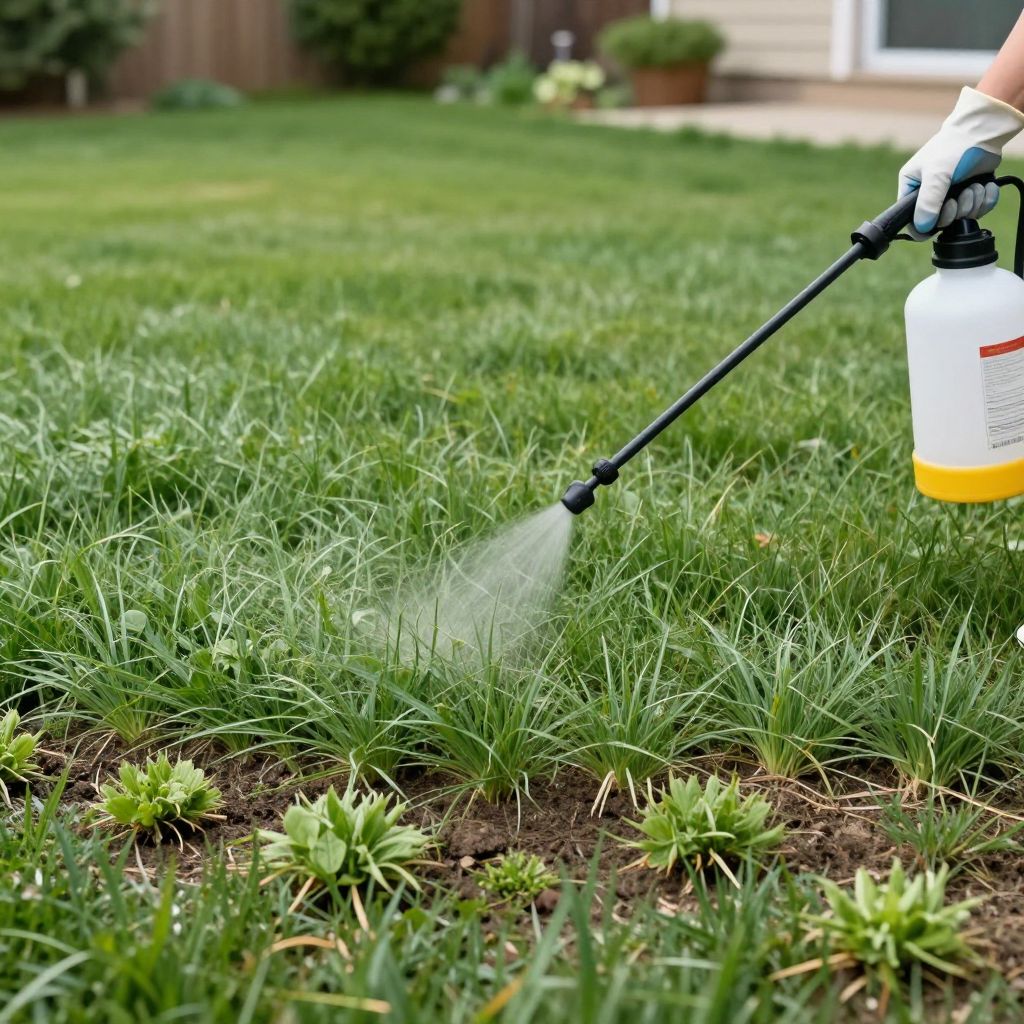
Does 24D kill crabgrass? Yes, but not very reliably on its own. 2,4-D is a broadleaf herbicide, so it is designed to target weeds like dandelion and clover, while crabgrass is a grassy weed. If you use 2,4-D alone, you may see little to no control on established crabgrass.
If crabgrass is already growing in your lawn, the best results usually come from a product labeled for crabgrass control, especially one with a post-emergent ingredient such as quinclorac or fenoxaprop, depending on your turf type and local label directions. Prevention and lawn care are just as important as spraying.
Does 24D kill crabgrass?
2,4-D generally does not kill crabgrass effectively because crabgrass is a grass, not a broadleaf weed. It may stunt very young seedlings in some cases, but it is not a dependable crabgrass killer. For established crabgrass, choose a herbicide specifically labeled for crabgrass and follow the product label for your lawn type.
Why 2,4-D is the wrong tool for crabgrass
Crabgrass, usually Digitaria species, is an annual grassy weed that germinates in warm soil and spreads low across thin turf. 2,4-D is built to control broadleaf weeds, so it works on plants with different leaf structures and growth patterns than crabgrass.
What 2,4-D does well
- Controls many broadleaf lawn weeds
- Can be useful in mixed weed problems where dandelion, plantain, or clover are present
- Often appears in combination lawn weed killers
What 2,4-D does not do well
- Does not reliably kill mature crabgrass
- Will not prevent crabgrass seed from germinating
- May damage desirable turf if misused or applied under stressful conditions
If you are seeing “weed and feed” products or lawn sprays with 2,4-D, read the label carefully. Many of these products are meant for broadleaf weeds only, so they may leave crabgrass untouched.
What actually works on crabgrass
For active crabgrass, use a post-emergent herbicide that is labeled for crabgrass and safe for your lawn grass. Common options may include quinclorac, fenoxaprop, or other turf-specific ingredients, depending on the product and your grass species.
Before you buy a product
- Confirm the weed is crabgrass, not another grassy weed
- Check whether your lawn is cool-season or warm-season turf
- Read the label for listed turfgrass safety
- Look for the words “crabgrass control” or “crabgrass killer” on the label
Some lawns, especially certain warm-season grasses, are more sensitive to some herbicides. Always match the product to your grass type rather than assuming one spray fits every yard.
How to identify crabgrass before treating it
Correct identification matters because many grassy weeds look alike at first glance. Crabgrass usually forms low, spreading clumps with wide blades and stems that creep outward from a central point. It often appears in thin, compacted, or overwatered areas.
Common signs of crabgrass
- Flat, spreading growth close to the soil
- Coarse, light-green blades
- Clumps that radiate from a center point
- More noticeable in hot weather
- Often found in bare patches or along sidewalks and driveways
If you are unsure, compare the weed to your turf and nearby lawn weeds before spraying. Misidentification is one of the most common reasons homeowners think a herbicide “didn’t work.”
Best time to control crabgrass
Timing matters more than many gardeners expect. Crabgrass is easiest to prevent before it emerges, and easiest to kill when it is still small. Once it matures and starts tillering, control becomes slower and less complete.
Pre-emergent control
Pre-emergent herbicides stop crabgrass seeds from germinating. They are usually applied before soil temperatures warm enough for crabgrass to sprout, which varies by region and season.
Post-emergent control
Post-emergent herbicides target visible crabgrass after it has already appeared. The younger the plant, the better the control. Large, heat-stressed crabgrass is harder to eliminate and may need repeat treatment if the label allows it.
Important: Do not rely on 2,4-D as a crabgrass prevention tool. It is not a substitute for pre-emergent weed control.
How to treat crabgrass safely and effectively
If you decide to use a crabgrass-specific herbicide, follow the label exactly. The label is the law, and it also tells you which lawn grasses, temperatures, and application methods are safe.
- Identify the weed and confirm it is crabgrass.
- Choose a product labeled for crabgrass control and your turf type.
- Apply when the weed is actively growing and not drought-stressed.
- Avoid mowing immediately before or after unless the label says otherwise.
- Keep children and pets off the area until the product has dried or as directed.
- Watch for results over the next 1 to 3 weeks, depending on the product.
Good application conditions
- Moderate temperatures, not extreme heat
- No rain expected during the label’s required dry window
- Weeds are actively growing
- Lawn is not under severe drought stress
Spraying during hot, dry weather can reduce herbicide performance and increase turf injury. If conditions are poor, wait for a better window.
Why crabgrass keeps coming back
Crabgrass is usually a symptom of a thin or stressed lawn. Bare soil, compacted ground, low mowing, and poor drainage all create openings where crabgrass can germinate and spread.
Common lawn conditions that favor crabgrass
- Thin turf with bare patches
- Compacted soil
- Excessive foot traffic
- Heat and drought stress
- Overwatering or poor drainage
- Mowing too short
Improving the lawn itself is often more effective long term than repeated spot spraying. Healthy turf shades the soil and makes it harder for crabgrass seeds to establish.
How to prevent crabgrass naturally through lawn care
Good lawn maintenance is the backbone of crabgrass prevention. Even the best herbicide will not solve a recurring crabgrass problem if the lawn stays thin and stressed.
Practical prevention steps
- Mow at the recommended height for your grass species
- Water deeply but not so often that the surface stays constantly wet
- Fix drainage issues in low spots
- Overseed thin areas when appropriate for your grass type and season
- Aerate compacted soil if needed
- Topdress with compost only if it fits your lawn care plan and soil needs
Tip: Taller mowing helps shade the soil surface, which can reduce crabgrass germination. Never remove more than one-third of the grass blade at a time.
Can you pull crabgrass by hand?
Yes, hand-pulling can work for small infestations, especially if the soil is moist and the roots come out cleanly. This is a good option for a few plants in a garden edge, driveway crack, or small lawn patch.
Hand-removal tips
- Pull after watering or rain when soil is softer
- Remove the whole plant, including the crown and roots
- Bag seed heads so they do not drop seed
- Fill the bare spot with seed or turf repair material if appropriate
Hand-pulling is less effective once crabgrass has spread widely or started seeding. In those cases, combine removal with prevention and lawn repair.
Common mistakes to avoid
Many crabgrass control failures come from label mistakes, poor timing, or using the wrong herbicide for the weed. A careful approach saves time and protects your lawn.
- Using 2,4-D alone and expecting crabgrass control
- Spraying the wrong weed
- Applying during extreme heat or drought
- Ignoring lawn type restrictions
- Skipping pre-emergent prevention in problem areas
- Leaving bare soil exposed after removal
If a product does not seem to work, check whether the crabgrass was too mature, whether the application rate was correct, and whether the lawn conditions were too stressful for good uptake.
When to call the problem solved
You will know your crabgrass plan is working when new seedlings stop appearing and the existing plants weaken, discolor, and decline. In a healthy lawn, the long-term goal is not just killing visible weeds but closing the conditions that let them return.
If crabgrass is a yearly issue in your yard, make a note to apply a suitable pre-emergent next season and improve turf density in thin spots. That combination is usually more effective than repeated rescue spraying alone.
For more lawn-weed help, you may also want to read about basic lawn care and weed prevention and how pre-emergent herbicides stop crabgrass before it starts.