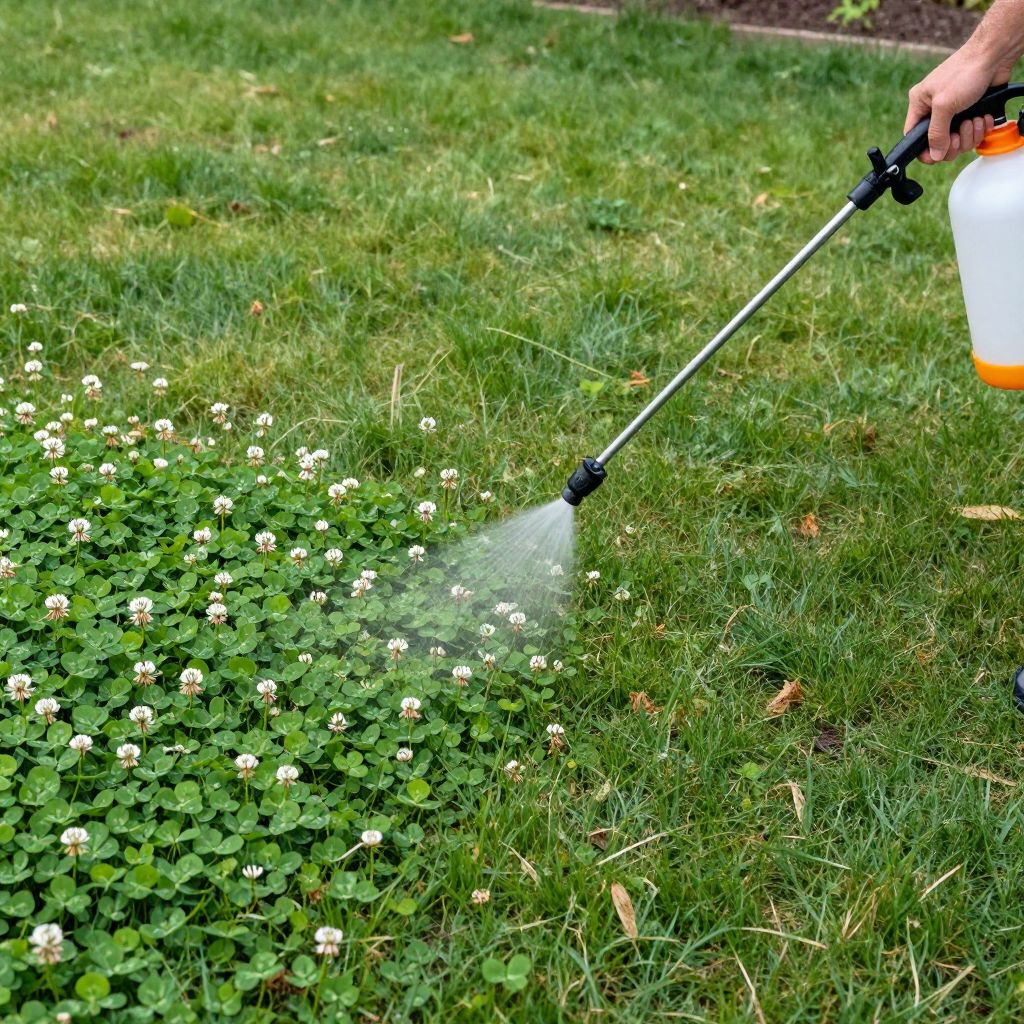
Does weed and feed kill clover? In many lawns, the answer is yes—especially if the product contains broadleaf herbicides designed to target weeds like clover. But results depend on the active ingredients, the clover species, how healthy the lawn is, and whether the product is applied correctly.
If you want to keep clover, avoid most weed-and-feed products. If you want to remove it, timing, weather, and lawn care practices matter as much as the product itself.
Does weed and feed kill clover?
Yes, most weed-and-feed products will injure or kill clover because they usually contain selective herbicides made to control broadleaf plants. Clover is a broadleaf legume, so it is often treated as a weed in turfgrass. However, control is not always immediate, and mature clover patches may need repeat treatment or a different approach.
Why clover is affected by weed and feed
Most weed-and-feed products combine fertilizer with a lawn herbicide. The herbicide portion is typically aimed at broadleaf weeds, while grass is supposed to tolerate it. Clover, along with dandelion and plantain, falls into the broadleaf category, so it is usually vulnerable.
Common active ingredients that target clover
- 2,4-D
- MCPP or mecoprop
- Dicamba
- Combination products with more than one broadleaf herbicide
These ingredients do not work the same way on every lawn. The exact effect depends on the label, the clover’s growth stage, and environmental conditions at the time of application.
When clover may survive
- The product is not labeled for clover control
- The lawn was dry or stressed during application
- The clover was mature and well established
- Rain or mowing happened too soon after treatment
- The herbicide coverage was uneven
Even when clover is damaged, it may recover from surviving roots or untreated patches. That is why follow-up care matters.
How to tell whether your lawn product will kill clover
Read the label before applying anything. The label tells you what weeds the product targets, what grass types it is safe for, and whether clover is listed among the controlled weeds. If clover is not named, do not assume the product will eliminate it.
What to look for on the label
- Broadleaf weed control language
- Specific mention of clover or white clover
- Grass species safety information
- Application timing and mowing restrictions
- Weather limits, such as no application before rain
Important: “Weed and feed” is not a one-size-fits-all lawn solution. Some formulas are mainly fertilizer with light weed control, while others are stronger herbicide blends. The label is the only reliable guide.
If you want to get rid of clover, what works best?
For small patches, spot treatment is usually better than broadcasting weed and feed over the whole lawn. Clover often grows in areas where grass is thin, compacted, or low in nitrogen, so improving turf health helps reduce reinfestation after treatment.
Step-by-step control plan
- Identify the clover correctly. Most lawn clover is white clover (Trifolium repens), but other clovers may appear too.
- Choose a labeled herbicide. Use a product specifically listed for broadleaf weeds and clover if you want chemical control.
- Apply when clover is actively growing. Herbicides work best when plants are not drought-stressed or dormant.
- Follow mowing instructions. Avoid mowing right before or right after treatment unless the label says otherwise.
- Water only as directed. Some products need dry leaf surfaces before application and a rain-free window afterward.
- Repeat only if the label allows. Do not overapply in hopes of faster results.
If you prefer a non-chemical approach, dig out small clumps by hand, including as much root as possible. For larger areas, overseeding thin turf and improving soil conditions can gradually reduce clover pressure.
Can weed and feed harm your grass too?
Yes, it can if used incorrectly. Even selective herbicides can stress turfgrass when applied in hot weather, during drought, or on newly seeded lawns. Fertilizer in the same product can also push weak grass too fast if the lawn is already stressed.
Common lawn mistakes to avoid
- Applying to a newly seeded or newly sodded lawn without checking the label
- Using more product than recommended
- Applying before heavy rain, which can wash product away
- Treating during heat waves or drought
- Expecting instant results after one application
Brown tips, twisted growth, or patchy yellowing in grass can happen after herbicide misuse. If that occurs, water appropriately for your turf type and climate, and avoid additional chemical applications until the lawn recovers.
Why clover grows in lawns in the first place
Clover is often a sign that the lawn is underperforming, not just that a weed invaded. It tends to thrive where grass is thin, soil is compacted, or nitrogen is low. In some lawns, clover also appears because it tolerates foot traffic and lean soil better than turfgrass.
Conditions that favor clover
- Poor soil fertility, especially low nitrogen
- Compacted soil with limited root growth
- Thin turf from shade, drought, or wear
- Improper mowing height
- Uneven irrigation or poor drainage
Addressing those conditions often reduces clover more effectively over time than repeated spraying alone.
How to make your lawn less friendly to clover
If you want a grass-dominant lawn, focus on turf vigor. Healthy grass shades the soil, competes for space, and leaves fewer openings for clover seed to germinate.
Helpful lawn care practices
- Mow at the right height for your grass type so turf can shade out weeds.
- Leave clippings on the lawn if they are not clumping heavily; they recycle nutrients.
- Aerate compacted areas when appropriate for your turf and soil type.
- Overseed thin spots with grass suited to your climate and sun exposure.
- Test soil if clover keeps returning, especially if the lawn looks pale or weak.
Be careful not to overfertilize. Too much nitrogen can burn grass or encourage fast, weak growth. A soil test is the best way to know what your lawn actually needs.
What if you want to keep clover instead?
Some gardeners intentionally grow clover in lawns because it stays green, tolerates moderate foot traffic, and can add a softer, mixed look. If you want clover, avoid weed-and-feed products with broadleaf herbicides and choose lawn care methods that support mixed groundcover.
How to protect clover in a lawn
- Skip broadleaf weed killers
- Use fertilizer carefully and only if needed
- Keep mowing high enough that clover is not scalped
- Water deeply but infrequently when your climate requires irrigation
- Overseed thin areas with clover or compatible turf only if that fits your lawn goals
Tip: If your lawn is a mix of grass and clover, a standard weed-and-feed product may damage the clover while leaving the grass mostly intact. Decide first whether you want a uniform turf lawn or a mixed lawn.
Seasonal timing and weather considerations
Weather matters a lot with weed and feed. Broadleaf herbicides usually work best when weeds are actively growing and temperatures are moderate. Extreme heat, drought, or cold can reduce control and increase stress on turfgrass.
Better conditions for treatment
- Active clover growth
- Dry weather before and after application, if the label requires it
- Temperatures that are not extreme for your grass type
- No mowing immediately before treatment unless directed
Because climates vary, check your local conditions rather than relying on a calendar date. Spring and early fall are often favorable for lawn weed control in many regions, but the right timing depends on your grass, weather, and local rainfall patterns.
Troubleshooting common clover-control problems
The clover turned yellow but came back
The herbicide likely weakened the plant but did not kill the root system. Recheck the label for repeat-treatment intervals and improve turf density in the area.
Only part of the clover patch died
Uneven coverage is common. Spot-treat remaining clumps rather than reapplying to the whole lawn.
The grass looks stressed after treatment
Pause further applications, water according to turf needs, and avoid mowing too short. Stress is more likely if the lawn was already dry or thin.
Clover keeps returning every year
That usually means the lawn conditions still favor clover. Focus on soil improvement, overseeding, mowing height, and drainage rather than relying only on herbicides.
Bottom line
Does weed and feed kill clover? Usually yes, if the product contains a broadleaf herbicide and is used correctly. But the best results come from reading the label, treating clover when it is actively growing, and improving lawn health so it does not keep coming back. If you want, start by checking your product label and identifying whether you want to remove clover or keep it.
If you want to improve the rest of your lawn after treating clover, it can also help to read more about overseeding thin lawns and how to test and improve garden soil.