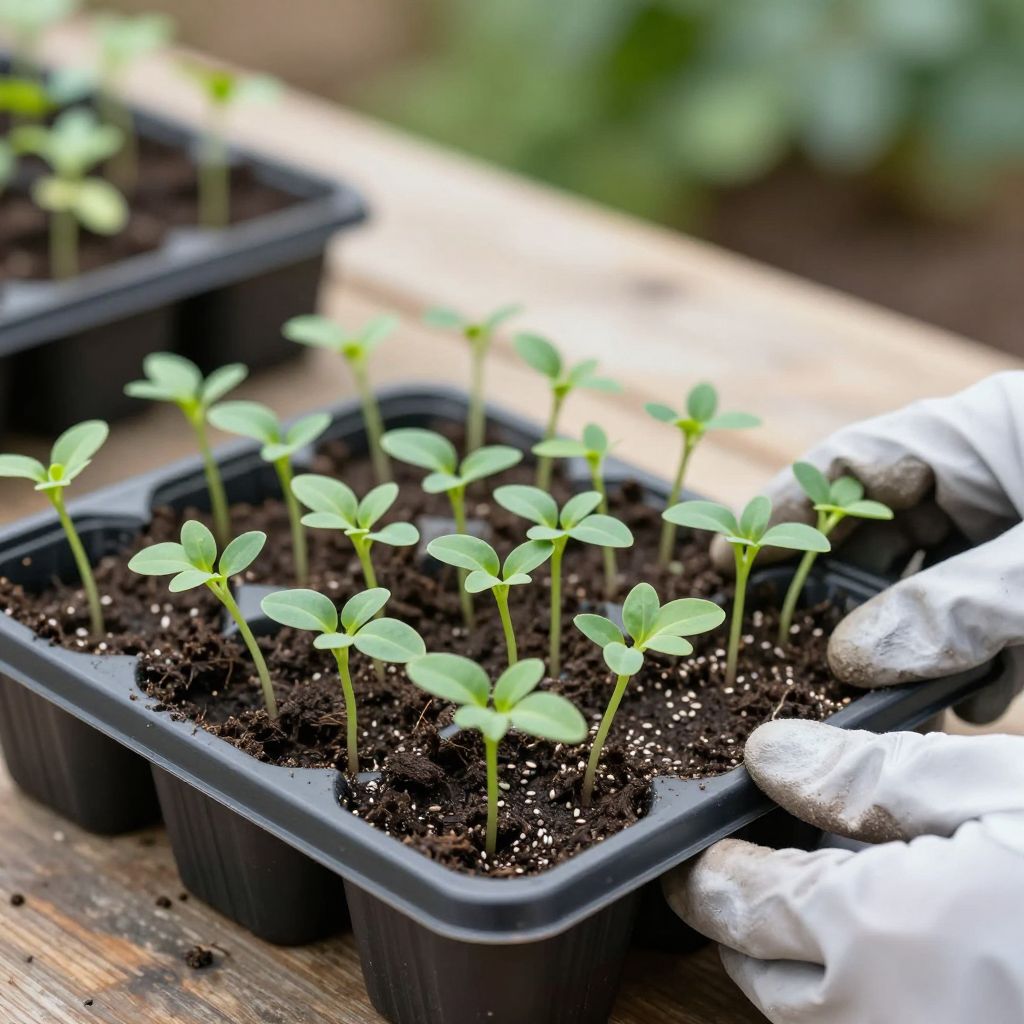
What do chia seeds grow into? If you sow them in the garden, they grow into chia plants—fast-growing annual herbs in the mint family, usually Salvia hispanica. They produce airy stems, narrow leaves, small lavender to white flowers, and eventually seed heads packed with tiny black, gray, or white seeds.
For home gardeners, chia is mainly grown for its seeds, but it can also be a useful ornamental pollinator plant in warm, sunny conditions. The key is to give it heat, full sun, and well-drained soil, then let the plants mature fully before harvesting.
What do chia seeds grow into?
Chia seeds grow into upright, branching annual plants with square stems, opposite leaves, and flower spikes that attract bees and other pollinators. In the right climate, each plant can reach several feet tall and set lots of seed once flowers fade and dry. They are not sprouts or microgreens; they become a full-sized herbaceous plant.
What the chia plant looks like as it grows
Chia starts as a tiny seedling with small, soft leaves. As it matures, the plant develops a bushy habit, with multiple stems and a loose, open form rather than a dense shrub.
Growth stages you can expect
- Germination: Seeds sprout when kept lightly moist and warm.
- Seedling stage: The first true leaves appear after the cotyledons.
- Vegetative growth: Stems elongate and branch in bright light.
- Flowering: Spikes of small flowers appear in warm weather.
- Seed set: Flowers dry and form seed heads containing mature chia seeds.
Because chia is an annual in most gardens, it completes its life cycle in one season. If you want seeds, the plant must be allowed to flower and dry naturally instead of being cut back too early.
How to grow chia from seed
Chia is usually started directly from seed, and that is the easiest way to grow it. Use a loose, draining soil mix and sow shallowly, because chia seeds need light and close contact with moisture to germinate well.
Step-by-step planting guide
- Choose a sunny spot with at least 6 hours of direct sun.
- Prepare soil that drains well and is not heavy with standing water.
- Scatter seeds thinly or place them about 1/4 inch deep.
- Water gently so the seed stays in place without washing away.
- Keep the surface evenly moist until seedlings emerge.
- Thin crowded seedlings so each plant has room to branch.
If you are growing chia in containers, choose a pot with drainage holes and a light potting mix. A container at least 10 to 12 inches wide gives the roots more room and helps prevent drying out too quickly.
Best growing conditions for chia plants
Chia does best in warm weather, full sun, and soil that drains freely. It is a heat-loving plant, so cool, wet conditions often slow it down or cause weak growth.
Sunlight
Give chia full sun whenever possible. In partial shade, plants may become leggy and produce fewer flowers and seeds.
Soil
Average garden soil is usually fine if it drains well. Rich soil can help growth, but overly fertile soil may encourage leafy growth at the expense of flowering.
Water
Young plants need consistent moisture to establish. Once established, chia tolerates short dry spells better than soggy soil, but it still performs best with regular watering during prolonged heat.
Temperature
Chia prefers warm conditions and grows best when nights are mild. If your climate has a short summer, you may need to start seeds indoors or in a sheltered spot to give plants enough time to mature.
Growing chia indoors vs. outdoors
You can grow chia indoors for seedlings or small ornamental plants, but outdoor growing is usually better if your goal is seed production. Indoors, light is often the limiting factor, so plants may stretch unless they are placed in a very bright window or under grow lights.
Indoor growing tips
- Use a bright south- or west-facing window, or supplemental grow lights.
- Rotate pots so stems grow evenly toward the light.
- Water carefully to avoid waterlogging the pot.
- Expect smaller plants and fewer seeds than in the garden.
Outdoor growing tips
- Plant after the risk of cold weather has passed in your area.
- Choose a spot protected from strong wind if plants grow tall.
- Watch for poor drainage after heavy rain.
- Give each plant enough space for branching and airflow.
How to care for chia as it grows
Chia is not a high-maintenance crop, but a few simple habits make a big difference. The most important are good drainage, enough sun, and not overwatering once the plant is established.
Feeding and soil care
You usually do not need heavy fertilizing. If your soil is poor, mix in a small amount of compost before planting, but avoid making the soil too rich. Excess nitrogen can produce lush leaves with fewer flowers.
Pruning and support
Chia does not need formal pruning, but you can pinch young plants lightly if you want a bushier shape. Tall plants may benefit from a stake or support in windy areas, especially when seed heads become heavy.
Mulching
A light mulch can help conserve moisture outdoors, but keep it a little away from the stem to reduce rot. In very wet climates, skip heavy mulching if it traps too much moisture.
Common problems when growing chia
Most chia problems come from too much water, too little light, or cool weather. Catching these early will help you avoid weak plants and poor seed production.
Leggy, weak growth
This usually means the plant is not getting enough sun. Move containers to a brighter location or thin nearby plants that are shading it.
Seeds do not sprout
Chia seeds may fail if they dry out during germination or are buried too deeply. Keep the soil surface lightly moist and sow shallowly.
Yellowing or wilting
Yellow leaves can signal overwatering, poor drainage, or nutrient imbalance. Check the soil first; if it stays wet for long periods, improve drainage before adding fertilizer.
Few flowers or seeds
Insufficient sunlight, cool temperatures, or overcrowding can reduce flowering. Chia needs warmth and space to perform well.
Pests and diseases to watch for
Chia is not usually bothered by serious pest or disease pressure, but young plants can still be affected by common garden issues. Good airflow and proper watering prevent many problems.
- Aphids: Small clusters on tender growth; rinse off with water or use insecticidal soap if needed.
- Slugs and snails: Can damage seedlings; protect young plants with barriers or hand-picking.
- Root rot: Caused by soggy soil; improve drainage and reduce watering.
- Powdery mildew: More likely in crowded, humid conditions; increase spacing and airflow.
How to harvest chia seeds
If your goal is seed harvest, let the flower spikes dry on the plant as long as weather allows. The seeds are ready when the flower heads turn brown and dry and the plant looks finished rather than fresh and green.
Harvesting steps
- Wait until most flower heads are dry and papery.
- Cut the seed heads on a dry day.
- Place them in a paper bag or on a clean screen to finish drying.
- Rub the dry heads gently to release the seeds.
- Remove chaff and store the seeds in a cool, dry container.
Do not harvest too early. Immature seeds may be soft, difficult to clean, and less viable if you plan to save them for planting.
Using chia in the garden
Besides seed production, chia can be useful as a seasonal flowering plant in warm gardens. Its blooms attract pollinators, and its upright habit can fit into mixed beds where you want height without a bulky shrub.
Because chia self-seeds readily in favorable conditions, deadhead or remove spent plants if you do not want volunteer seedlings the following season. In colder regions, volunteer seedlings are less likely to survive winter outdoors.
Practical mistakes to avoid
- Planting in heavy, waterlogged soil.
- Giving seedlings too little light.
- Overwatering mature plants.
- Expecting fast seed production in cool weather.
- Harvesting before seed heads are fully dry.
Conclusion: what to do next
So, what do chia seeds grow into? They grow into warm-season chia plants that can flower, set seed, and add a light, airy presence to the garden. If you want to try growing them, start with a sunny, well-drained spot, sow shallowly, and keep the soil just moist until the seedlings are established.
If you want to expand your edible garden, it may also help to read more about growing herbs from seed and container gardening basics.