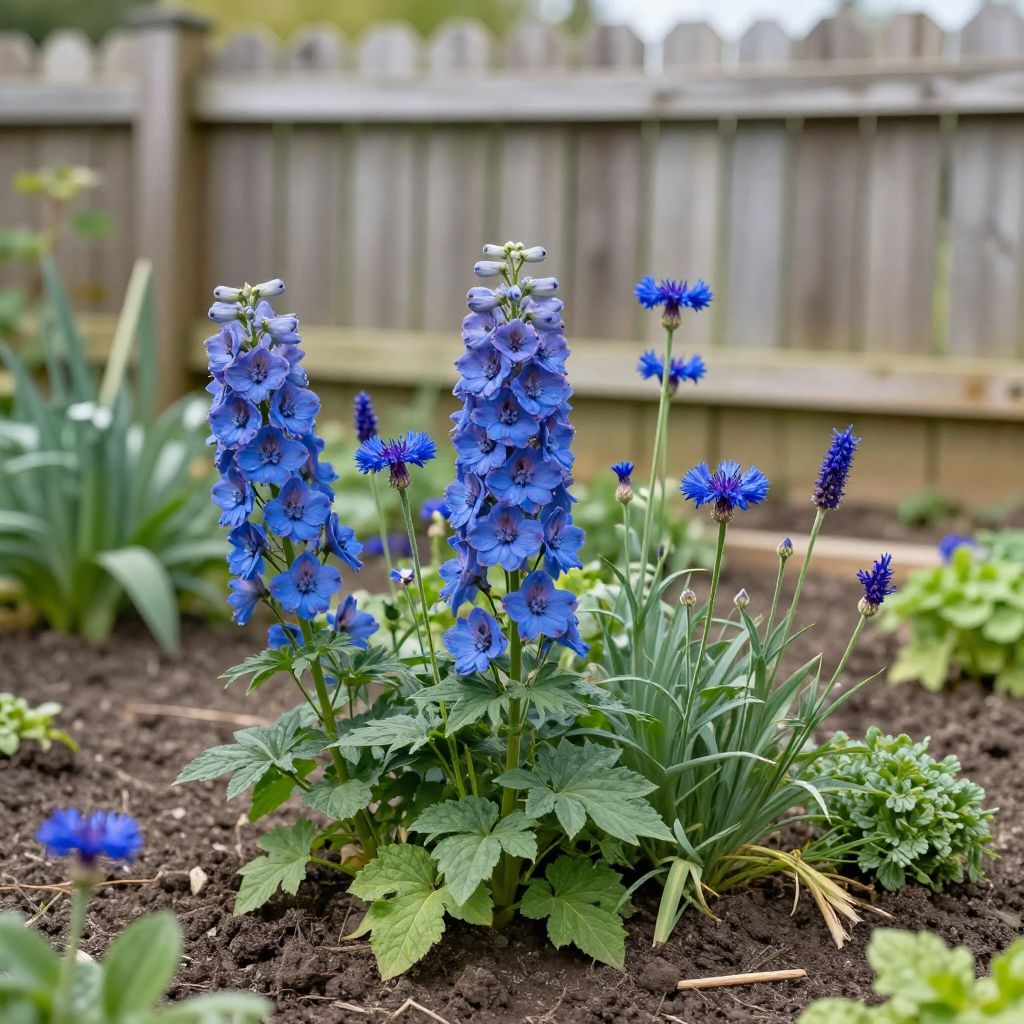
What flowers are blue, and which ones are easiest to grow in an ordinary garden? Blue blooms are less common than pink, red, or yellow flowers, but there are many reliable choices for borders, containers, cutting gardens, and shade beds. The best plant for you depends on your climate, sunlight, and soil, as well as whether you want a short-lived annual, a long-blooming perennial, or a shrub.
With the right conditions, you can grow true blue flowers, blue-purple flowers, and flowers that read as blue from a distance. The key is to match the plant to your site and avoid forcing sun lovers into shade or moisture lovers into dry soil.
What flowers are blue?
Blue flowers include annuals, perennials, bulbs, and shrubs such as lobelia, cornflower, delphinium, hydrangea, salvia, iris, forget-me-not, and agapanthus. Some are naturally blue, while others are blue-violet or change color with soil conditions. Choose based on sun, drainage, and your local climate for the best bloom color and plant health.
Popular blue flowers to grow
Annuals with blue blooms
- Lobelia (Lobelia erinus) — a cool-season edging plant with tiny cobalt flowers, often best in spring and early summer.
- Cornflower or bachelor’s button (Centaurea cyanus) — an easy annual with classic blue petals and good cutting stems.
- Nigella or love-in-a-mist (Nigella damascena) — airy blue flowers followed by decorative seed pods.
- Petunia cultivars — many are blue-purple rather than pure blue, but they can be excellent for containers and hanging baskets.
Perennials and bulbs
- Delphinium (Delphinium spp.) — tall spikes in clear blue to blue-purple shades, best in rich, well-drained soil.
- Salvia (Salvia nemorosa and related species) — dependable, pollinator-friendly flower spikes in blue and violet tones.
- Iris (Iris spp.) — many bearded and Siberian irises offer blue, blue-violet, or blue-lavender flowers.
- Forget-me-not (Myosotis spp.) — small sky-blue flowers for cool weather and lightly shaded spots.
- Agapanthus (Agapanthus spp.) — rounded clusters of blue to blue-purple flowers in warmer climates or containers.
- Allium (Allium spp.) — ornamental onion flowers often appear in blue-purple shades and add structure to the garden.
Shrubs and climbers with blue flowers
- Hydrangea (Hydrangea macrophylla) — can produce blue flowers in acidic soil with available aluminum, though not every variety changes color.
- Plumbago (Plumbago auriculata) — a warm-climate shrub or climber with pale blue flower clusters.
- Clematis (Clematis spp.) — many cultivars bloom in blue, blue-violet, or lavender-blue tones.
How to grow blue flowers successfully
Most blue-flowering plants need the same basics: the right amount of sun, soil that drains well, and steady but not excessive moisture. The biggest mistake is treating all blue flowers alike. A delphinium and a lobelia may both be blue, but they do not want the same growing conditions.
Check sunlight first
- Full sun suits cornflower, salvia, many irises, alliums, and many hydrangeas in cooler climates.
- Part shade works better for lobelia, forget-me-not, some hydrangeas, and certain clematis.
- Hot afternoon sun can bleach or stress some blue flowers, especially in warm regions.
If your garden is very hot, a plant labeled “full sun” may still do better with morning sun and afternoon shade. Blue flowers often look more vivid when the plant is not heat-stressed.
Prepare the soil
Good drainage matters for almost every blue flower. Mix in compost to improve structure, but avoid making the soil too rich for plants that prefer lean conditions, such as cornflower or some Mediterranean herbs like blue-flowering salvias.
- For average garden beds, work in 2 to 3 inches of compost before planting.
- If your soil stays wet, raise the bed or plant in containers with drainage holes.
- If your soil is heavy clay, loosen it deeply and avoid compacting it after planting.
Water correctly
Newly planted flowers need regular moisture until roots establish. After that, most blue flowers prefer deep, less frequent watering rather than constant dampness. Wet foliage and soggy roots can lead to disease, especially in cool weather.
- Water at the base of the plant when possible.
- Let the top layer of soil dry slightly between waterings for many sun-loving species.
- Keep moisture more even for container plants, which dry out faster than garden beds.
Which blue flowers are best for your garden style?
For borders and cottage gardens
Try delphinium, salvia, cornflower, and iris for height and texture. These plants create strong color blocks and pair well with white, silver, pink, or purple flowers.
For containers and small spaces
Lobelia, compact petunias, dwarf salvia, and some agapanthus varieties can do well in pots. Use a quality potting mix, not garden soil, and choose containers with drainage holes.
For shade or woodland edges
Forget-me-not and some hydrangeas can brighten filtered light. In shade, blue flowers may look softer and more pastel, so place them where you can see them against darker foliage.
For cutting gardens
Cornflower, delphinium, iris, and allium are useful cut flowers. Harvest in the cool part of the day, and place stems in clean water immediately.
How to plant blue flowers step by step
- Choose the right plant for your site. Match sun, moisture, and space to the species.
- Prepare the bed. Remove weeds and loosen the soil to a workable depth.
- Improve the soil if needed. Add compost for most plants, or sand and grit only where drainage is the main issue and the plant tolerates lean soil.
- Set plants at the correct depth. Keep the crown level with the surrounding soil unless the plant label says otherwise.
- Water in well. Soak the root zone after planting to settle the soil.
- Mulch lightly. A 1- to 2-inch layer of mulch helps conserve moisture and suppress weeds, but keep it away from stems.
Color and soil: why some blue flowers change shade
Hydrangeas are the best-known example of color change. Many Hydrangea macrophylla varieties turn blue in acidic soil with available aluminum, while neutral or alkaline soil often produces pinker blooms. Not every hydrangea can turn blue, so check the variety before you try to adjust soil pH.
For most other blue flowers, soil pH does not change the bloom color much. If a plant is naturally blue, the main factors affecting color are light, temperature, and plant health.
Common problems with blue flowers
Flowers look faded or washed out
- The plant may be getting too much heat or harsh afternoon sun.
- Blooms may be aging naturally; many blue flowers fade as they mature.
- Overfertilizing can push leafy growth at the expense of strong flowers.
Plants flop or get leggy
- Delphinium and tall salvias may need staking or pinching when young.
- Too little sun can cause weak stems.
- Excess nitrogen can make stems soft and floppy.
Leaves yellow or roots rot
- Soil may be staying too wet.
- Drainage may be poor, especially in containers without holes.
- Some plants, like iris, dislike crowded, soggy conditions.
Pests and diseases
- Aphids can cluster on soft growth and flower buds.
- Powdery mildew may appear on crowded plants with poor airflow.
- Slugs and snails can damage tender plants such as lobelia and young seedlings.
Reduce problems by spacing plants properly, watering at soil level, and removing spent or diseased foliage promptly. For severe infestations, identify the pest before treating so you do not damage beneficial insects.
Pruning, deadheading, and maintenance
Many blue flowers bloom longer if you remove spent blooms. Deadheading encourages repeat flowering in plants such as cornflower, salvia, and some petunias. For perennials, cut back damaged stems after flowering or in late season, depending on the species.
- Deadhead regularly to keep plants tidy and productive.
- Cut back floppy stems if the plant becomes too tall for its support.
- Divide crowded perennials like iris when flowering declines.
Always check the plant’s growth habit before cutting hard. Some plants bloom on old wood or form next year’s buds soon after flowering.
How to get more blue in the garden design
Blue flowers often look best when paired with plants that make them stand out. White, silver, chartreuse, and deep green foliage can make blue blooms appear brighter. Repeating the same blue flower in several places also creates a stronger visual effect than scattering many different shades randomly.
- Use blue flowers near paths, patios, or entryways where their cooler color can be appreciated up close.
- Mix blue with white for a calm, fresh look.
- Pair blue with yellow for strong contrast if you want the flowers to pop.
Conclusion
If you’re asking what flowers are blue, the answer is that you have more choices than you might think, from easy annuals like cornflower and lobelia to long-lived perennials like salvia, iris, and delphinium. Start with one plant that suits your light and soil, then build from there for a reliable blue display.
For more help choosing flowers for your site, you may also want to read about garden flowers for shade and the best perennial flowers for home gardens.