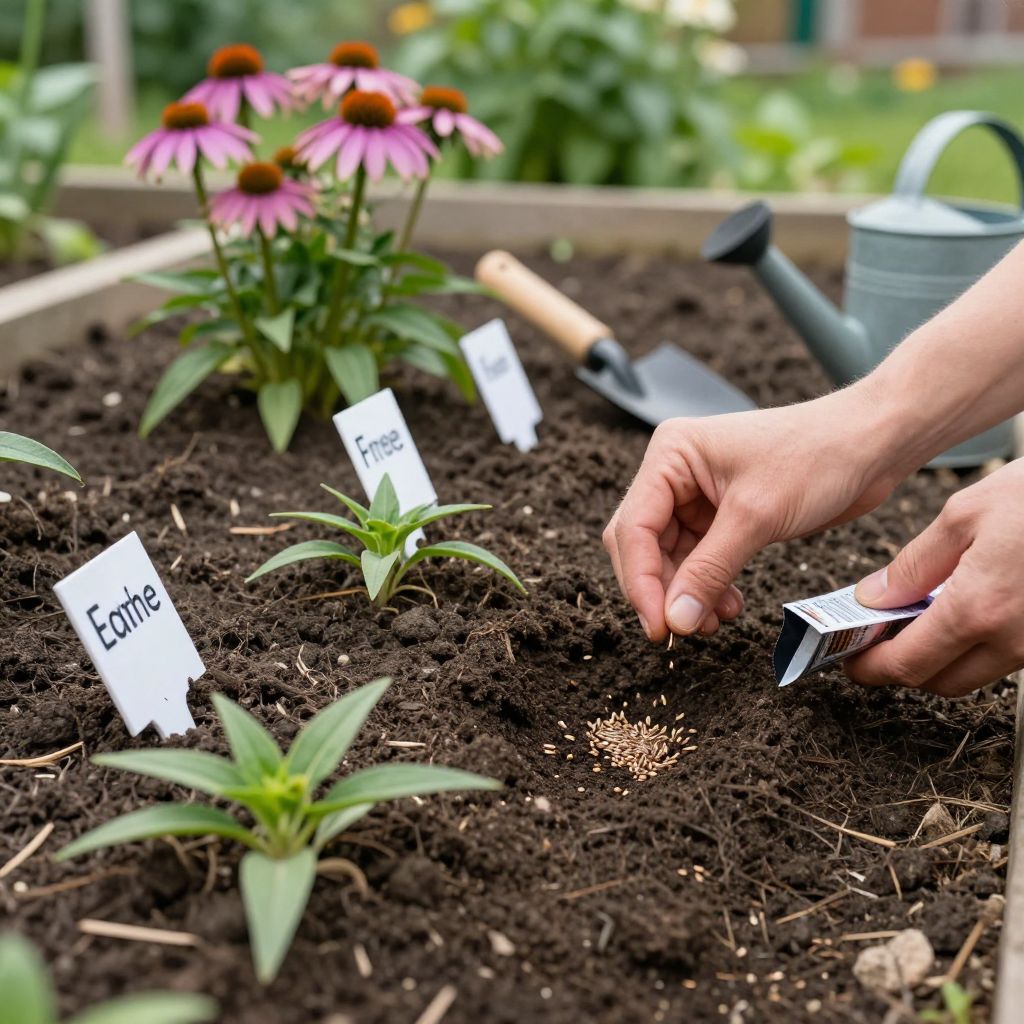
Wondering when to plant coneflower seeds for the best chance of strong, healthy plants? Timing matters because coneflowers germinate best when they experience the right seasonal conditions, and the method you use indoors or outdoors changes the schedule.
The good news is that coneflowers are forgiving once established. If you match sowing time to your climate and give the seeds the right amount of moisture, light, and cold exposure, you can grow reliable Echinacea from seed at home.
When to plant coneflower seeds?
The best time to plant coneflower seeds is usually in late fall to early winter outdoors for natural cold stratification, or late winter to early spring indoors after giving the seeds a cold, moist treatment. You can also direct sow in spring if your climate has a long, cool start to the season, but germination is often slower and less even.
Why timing matters for coneflower seeds
Coneflower seeds often germinate more reliably after a period of cold, moist conditions. In nature, that happens outdoors over winter, which is why fall sowing works so well.
If you plant too early in warm indoor conditions without stratification, the seeds may sprout unevenly or slowly. If you plant too late outdoors in hot, dry weather, the seedbed can dry out before seedlings establish.
What coneflowers need to sprout well
- Cool to moderate temperatures during germination.
- Consistent moisture, but not soggy soil.
- Lightly covered seed or surface sowing, depending on the method.
- Good drainage to prevent rot.
Best planting windows by method
Fall sowing outdoors
Fall is often the easiest answer to when to plant coneflower seeds. Sow them after daytime temperatures cool and before the ground freezes hard, so they can sit through winter and germinate when conditions improve in spring.
This method works especially well if you want a low-maintenance approach and your winter weather is cold enough to provide natural stratification.
Winter sowing in containers
Winter sowing is a useful option if you want to start seeds outdoors in a protected container setup. Sow the seeds in late winter, then let them experience cold weather while sheltered from heavy rain, birds, and drying winds.
This method can be a good fit if you want more control than direct sowing but do not want to use lights indoors.
Indoor sowing in late winter
If you want to get a head start, sow coneflower seeds indoors in late winter or very early spring after cold stratification. This is helpful in short-season climates where seedlings need extra time before transplanting outside.
Start them too early, though, and you may end up with leggy seedlings that outgrow their containers before outdoor planting time.
Spring direct sowing
Spring sowing can work, especially in cooler regions, but the soil should be workable and not cold and waterlogged. In warmer climates, spring direct sowing may be less successful unless you keep the seedbed evenly moist and protect it from drying out.
How to stratify coneflower seeds
Many gardeners improve germination by cold stratifying coneflower seeds before planting. Stratification mimics winter and helps break dormancy.
Simple cold stratification method
- Moisten a paper towel, coffee filter, or a small amount of sterile seed-starting mix.
- Place the seeds inside a labeled plastic bag or sealed container.
- Store them in the refrigerator for about 4 to 6 weeks.
- Check occasionally to make sure the medium stays lightly moist, not wet.
- Plant the seeds promptly after the cold period ends.
Do not freeze the seeds unless a specific seed source recommends it. Refrigeration is usually enough.
How to plant coneflower seeds step by step
For indoor sowing
- Fill pots or seed trays with a fine, well-draining seed-starting mix.
- Moisten the mix before sowing so it is evenly damp.
- Place seeds on the surface and cover them very lightly, or press them in gently if the packet suggests surface sowing.
- Keep containers in bright light and moderate warmth.
- Maintain moisture with a misting bottle or gentle bottom watering.
Seedlings usually do best with strong light from a sunny window or grow lights. Without enough light, they stretch and weaken quickly.
For direct sowing outdoors
- Choose a sunny site with well-drained soil.
- Loosen the top layer of soil and remove weeds.
- Sow seeds thinly on prepared soil.
- Cover lightly with soil or simply press them into the surface, depending on your seed packet guidance.
- Water gently so the seedbed stays evenly moist.
Mark the spot clearly. Coneflower seedlings are small at first and easy to mistake for weeds.
Ideal growing conditions for coneflowers
Coneflowers are prairie-style perennials that prefer sun and drainage over rich, soggy soil. If you give them the right site from the start, they usually need less care later.
Sunlight
Plant coneflowers in full sun for the best flowering. A little afternoon shade can help in very hot climates, but too much shade often leads to weak stems and fewer blooms.
Soil
Average, well-drained soil is usually best. Coneflowers do not need heavy feeding, and overly rich soil can produce floppy growth.
If your soil is dense clay, improve drainage with compost and careful bed preparation, or choose a raised bed. Avoid planting in spots where water sits after rain.
Water
Keep seeds and young seedlings evenly moist until they are established. After that, coneflowers are fairly drought-tolerant and prefer deeper, less frequent watering over constant wetness.
Overwatering is a common mistake, especially in containers and heavy soil. Wet roots can lead to poor growth or rot.
How long coneflower seeds take to germinate
Germination can be slow and uneven. Some seeds sprout in a few weeks, while others take longer, especially if the seed has not been stratified or temperatures are not ideal.
Be patient and keep the seed-starting mix lightly moist. If you planted outdoors, label the area and wait through the season before assuming the seeds failed.
Signs your seeds are on track
- Small green sprouts appear gradually, not all at once.
- Seedlings stand upright rather than stretching thin and pale.
- The soil stays moist but never waterlogged.
Transplanting seedlings into the garden
Move indoor-started seedlings outside after the danger of hard frost has passed and they have been hardened off. Coneflowers dislike root disturbance, so transplant carefully.
Hardening off
Before planting outdoors, gradually expose seedlings to outdoor conditions over 7 to 10 days. Start with a few hours in shade and increase sun and wind exposure little by little.
Planting out
- Choose a sunny, well-drained site.
- Space plants so air can move between them.
- Set transplants at the same depth they were growing in their pots.
- Water in well, then keep the soil lightly moist until new growth resumes.
Handle seedlings by the root ball rather than the stem whenever possible.
Common mistakes to avoid
- Planting too early indoors without cold treatment.
- Burying seeds too deeply; coneflower seeds need light or very shallow coverage.
- Letting the seedbed dry out during germination.
- Using heavy, poorly drained soil that stays wet.
- Starting seedlings in low light, which causes weak growth.
- Transplanting too late, after seedlings become rootbound.
Ongoing care for young coneflowers
Once seedlings are established, coneflowers are relatively low maintenance. A light mulch can help conserve moisture, but keep mulch a little away from the crowns to prevent excess dampness.
Deadhead spent flowers if you want a tidier look, but leave some seed heads in place if you want wildlife interest or hope for self-seeding. In colder climates, cutting back in late winter or early spring is often easier than cleaning up in fall.
Pests and diseases to watch for
Coneflowers are generally sturdy, but crowded, shaded, or overly wet plants can develop problems. Good spacing and drainage prevent many issues before they start.
- Aphids may cluster on tender growth.
- Powdery mildew can appear in humid or crowded plantings.
- Root rot is more likely in soggy soil.
If mildew appears, improve airflow, remove badly affected leaves, and avoid overhead watering late in the day.
Can you save seeds from coneflowers?
Yes, you can collect seed from mature coneflower heads once the petals have faded and the center cone has dried. Let the seed heads dry on the plant if birds are not a concern, then snip them off and store the seeds in a cool, dry place.
Keep in mind that seed-grown plants may not look exactly like the parent plant if you are growing named cultivars. For the most predictable results, buy seed from a reliable source and label your saved seed carefully.
Quick answer: the best planting time by climate
- Cold winter climates: fall sow outdoors or stratify and sow in late winter.
- Mild winter climates: winter sowing or refrigerated stratification followed by spring planting.
- Short growing seasons: start indoors after stratification so seedlings have time to mature.
- Hot, dry regions: sow when temperatures are cooler and moisture is easier to maintain.
Conclusion
If you are deciding when to plant coneflower seeds, aim for fall outdoor sowing or late winter indoor sowing after cold stratification. Match the timing to your climate, keep the seedbed lightly moist, and give the plants full sun and good drainage.
For more help with perennial flower beds, you may also want to read about growing coneflowers and seed stratification basics.