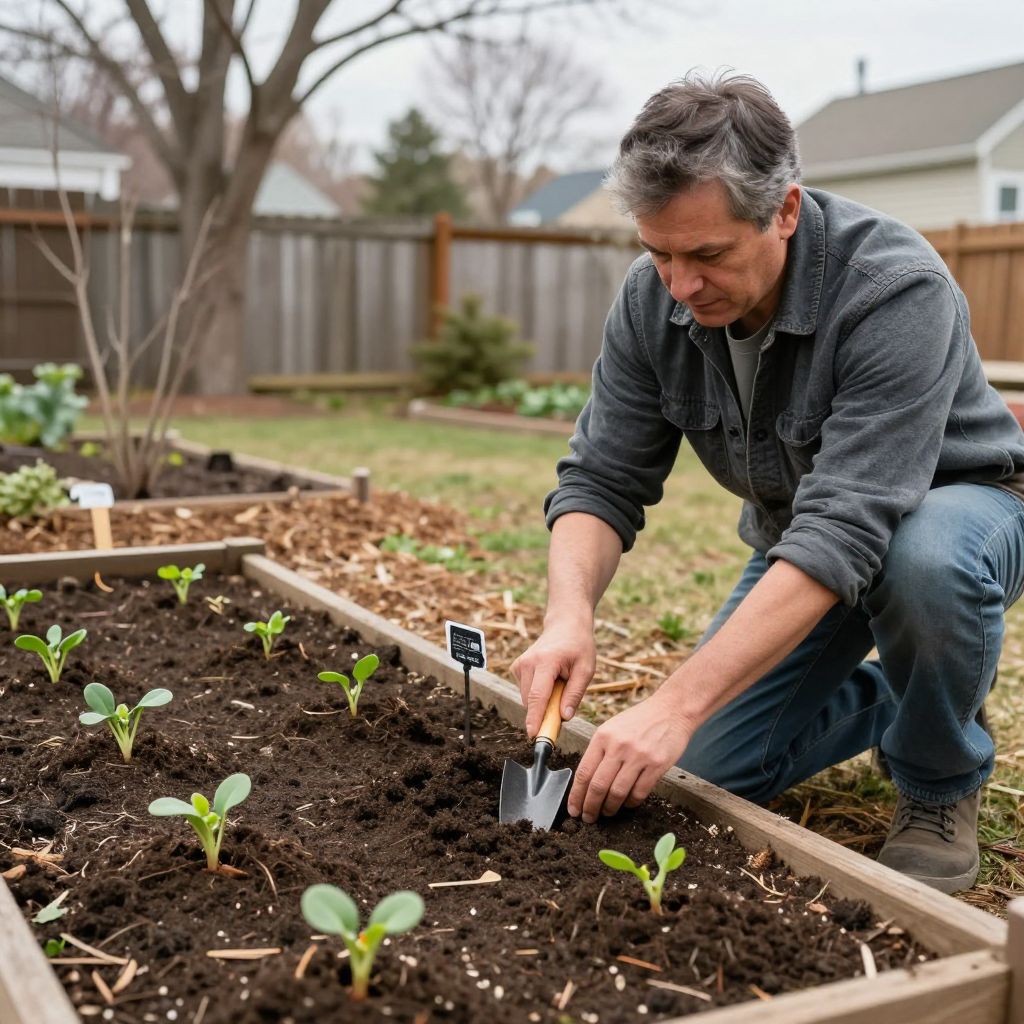
What zone is Michigan for planting? The short answer is that Michigan spans several USDA hardiness zones, so the right planting zone depends on where you live in the state. Most gardeners will find themselves in zones 4, 5, or 6, with colder conditions in the north and warmer conditions in the south.
That means planting success in Michigan depends on matching plants to your local zone, your soil, and your frost dates. If you garden here, it helps to think in terms of both hardiness zone and seasonal weather swings, because Michigan springs can warm up fast and then dip back into frost.
What zone is Michigan for planting?
Michigan is mainly in USDA hardiness zones 4 through 6, with zone 4 in the colder northern and inland areas, zone 5 across much of the Lower Peninsula, and zone 6 in the warmer southern and lakeshore regions. Your exact zone depends on your town, elevation, and how close you are to the Great Lakes.
How Michigan’s planting zones break down
Michigan is not one uniform planting zone. The state’s climate changes noticeably from the Upper Peninsula to the southern Lower Peninsula, and lake effect can soften or intensify local temperatures.
Typical zone pattern
- Zone 4: Colder parts of the Upper Peninsula and some inland northern areas.
- Zone 5: Much of the central and northern Lower Peninsula.
- Zone 6: Southern Michigan and some moderated lakeshore locations.
Use your ZIP code or local extension resources to confirm your exact zone. A hardiness zone is based on average winter minimum temperatures, not on frost dates, rainfall, or summer heat.
Why the zone matters
Hardiness zones help you choose perennials, shrubs, and trees that can survive winter. They do not tell you when to plant tomatoes, when to sow beans, or whether your soil drains well enough for bulbs or roots.
For annual vegetables and flowers, you also need to know your average last spring frost and first fall frost. In Michigan, those dates can vary widely from one county to the next.
How to use your Michigan zone when choosing plants
Pick plants rated for your zone or colder. If you live on a zone boundary, choosing plants hardy to one zone colder is often a smart margin of safety, especially in exposed sites or poorly drained soil.
Good plant choices by zone
- In zone 4, look for very hardy perennials, shrubs, and trees labeled for zones 3–4 or 3–5.
- In zone 5, many classic landscape plants and fruiting shrubs do well if they are suited to zones 4–5 or 4–6.
- In zone 6, you can grow a broader range of ornamentals and edibles, but winter protection still matters for marginal plants.
Remember that a plant can be hardy to your zone and still fail if the site is too wet, too shady, too windy, or too alkaline for its needs.
Best planting times in Michigan
The best planting time depends on what you are growing. In Michigan, spring planting is common for many vegetables, annual flowers, and container-grown perennials, while fall is excellent for many trees, shrubs, and hardy perennials.
Spring planting
Wait until the soil is workable and no longer soggy. Planting into cold, wet ground can rot roots and compact soil, especially in clay-heavy areas.
For warm-season crops such as tomatoes, peppers, beans, and squash, wait until frost danger has passed and nights are reliably mild. Cool-season crops such as lettuce, peas, spinach, and kale can usually go in earlier.
Fall planting
Fall is often one of the best times to plant trees, shrubs, and many perennials in Michigan because soil is still warm and rainfall is often more reliable. That gives roots time to establish before winter.
Try to plant at least several weeks before the ground freezes so roots can settle in. Newly planted material still needs water in fall, even when temperatures are cooler.
Soil, drainage, and sunlight in Michigan gardens
Michigan gardens vary from sandy lakeshore soils to heavy clay and everything in between. Before planting, check drainage and texture, because these affect root health as much as the planting zone does.
Improving soil
- Work in compost to improve structure and moisture retention.
- Avoid overworking wet clay soil, which can create hard clods and poor drainage.
- In sandy soil, add organic matter to help hold water and nutrients.
If water sits in a planting hole after rain, the site may be too wet for many plants. In that case, consider raised beds, mounds, or plants that tolerate moist conditions.
Sun exposure
Full sun means at least 6 hours of direct sunlight, but Michigan’s summer sun can be intense, especially with reflected heat from pavement or light-colored walls. Shade patterns also change through the season as trees leaf out.
Match the plant to the light you actually have, not the light you think you have in April. A spot that seems sunny in early spring may become heavily shaded by June.
Planting tips for Michigan gardeners
Successful planting in Michigan starts with timing, soil prep, and watering. Whether you are planting perennials, shrubs, or vegetables, give roots a good start and avoid stressing the plant right away.
- Check your zone and frost dates. Confirm the hardiness zone for your exact location and note your local last spring frost date.
- Choose the right site. Match sun, drainage, and soil type to the plant’s needs.
- Prepare the soil. Loosen compacted soil and mix in compost if needed.
- Plant at the proper depth. Set the root flare of trees and shrubs at or slightly above soil level.
- Water deeply. Soak the root zone after planting to settle soil around the roots.
- Mulch lightly. Apply 2 to 3 inches of mulch, keeping it away from stems and trunks.
Do not plant too deep. Burying the crown or root flare is a common mistake that can lead to rot, poor growth, and long-term decline.
Watering and mulch in Michigan’s climate
New plantings need regular moisture until roots extend into surrounding soil. Michigan weather can shift from cool and wet to hot and dry, so check soil moisture instead of relying on a fixed schedule.
How to water newly planted material
- Water slowly so moisture sinks in rather than running off.
- Check the soil 2 to 3 inches down; water when it feels dry at that depth for many new plantings.
- Water more often during hot, windy spells and less often during cool, rainy periods.
Mulch helps stabilize soil temperature, reduce weeds, and conserve moisture. Keep mulch a few inches away from stems and trunks so you do not create rot or pest habitat.
Common Michigan planting problems and fixes
Michigan gardeners often deal with late frosts, wet springs, clay soil, and winter damage. Knowing the likely problem helps you respond before plants are set back for the season.
Late spring frost
A late frost can damage tender transplants and early blooms. Cover vulnerable plants with frost cloth, buckets, or other breathable protection on cold nights, then uncover them in the morning.
Wet soil and root rot
If your soil stays wet for long periods, roots may suffocate. Improve drainage, plant on a slight mound, or choose species that tolerate moist conditions better than average garden plants.
Winter burn and desiccation
Evergreens and newly planted shrubs can lose moisture in winter when wind and sun dry foliage while frozen ground prevents root uptake. Water plants well before freeze-up and consider wind protection for exposed sites.
Heaving in freeze-thaw cycles
Repeated freezing and thawing can push shallow-rooted plants out of the soil. A layer of mulch helps moderate temperature swings, and planting at the correct depth reduces the risk.
Pruning, pests, and maintenance
Many Michigan plants benefit from light, timely maintenance rather than heavy intervention. Prune according to plant type, and avoid cutting back everything in fall just because the season is ending.
Pruning basics
- Remove dead, damaged, or crossing branches when you notice them.
- Prune spring-flowering shrubs after they bloom, not before.
- For trees and shrubs, avoid major pruning during extreme heat or late fall if it can stimulate vulnerable new growth.
Common pests and diseases
Michigan gardens can see aphids, Japanese beetles, slugs, powdery mildew, and fungal leaf spots, depending on the plant and season. Good spacing, airflow, and cleanup of diseased debris can reduce pressure.
Inspect plants regularly, especially after rainy stretches. Catching problems early is easier than correcting a severe infestation or widespread disease.
Vegetables and annuals in Michigan
If your goal is a vegetable garden, zone alone is not enough. Annual crops are grown for the warm season, so your planting window depends on frost dates and soil temperature more than winter hardiness.
Cool-season crops
Peas, lettuce, spinach, radishes, and many brassicas can often be planted earlier than warm-season crops. They tolerate cool weather better and may even improve in flavor with mild temperatures.
Warm-season crops
Tomatoes, peppers, cucumbers, melons, and squash need warm soil and frost-free weather. In much of Michigan, these crops perform best when transplanted after the soil has warmed and nights are consistently mild.
If you start seedlings indoors, harden them off gradually before moving them outside. Sudden exposure to wind, sun, and cool nights can shock young plants.
Where to look for local planting guidance
Because Michigan conditions vary so much, local guidance is often more useful than a general state-wide rule. County extension offices, local garden centers, and neighborhood gardeners can help you fine-tune timing for your area.
Pay attention to your own yard, too. A south-facing wall, a low spot that collects cold air, or a lakeshore breeze can change planting success even within the same town.
Conclusion
So, what zone is Michigan for planting? Most of the state falls in zones 4, 5, and 6, but your exact location matters. Once you know your zone, choose plants that fit your climate, then match them to your soil, sun, and drainage for the best results.
For more practical help, you may also want to read about choosing the right plants for your hardiness zone and improving garden soil with compost before your next planting day.