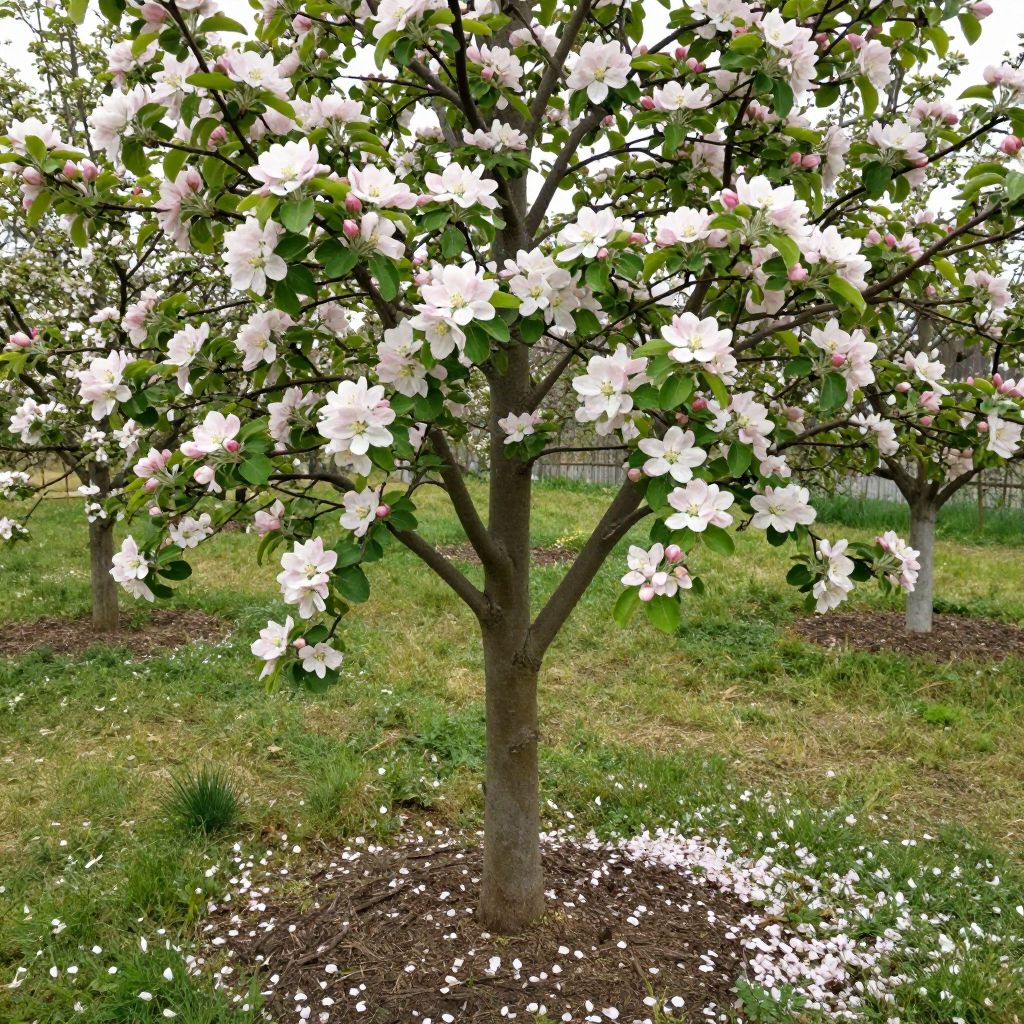
If you’re wondering when do apple trees bloom, the short answer is: usually in spring, after the tree has had enough winter chill and before the fruit begins to set. The exact bloom window depends on your climate, variety, and local weather, so timing can shift by several weeks from one garden to another.
Knowing the bloom period helps you plan pruning, pollination, frost protection, and pest monitoring. It also tells you whether a tree is healthy and whether your apple varieties are likely to overlap well for fruit set.
When do apple trees bloom?
Apple trees typically bloom in spring, often anywhere from early to late spring depending on your region and the cultivar. In mild areas, flowers may open in March or April; in colder climates, bloom may not begin until April or May. The flowers usually appear after leaf buds begin to swell and just before or as new leaves emerge.
What affects apple bloom timing?
Bloom timing is not fixed. Weather, winter chill, tree age, pruning, and variety all influence when flowers open and how long they last.
Climate and winter chill
Apple trees need a certain amount of winter cold to break dormancy properly. If winter is too warm, bloom can be delayed or uneven. If spring warms too quickly, flowers may open early and become vulnerable to frost.
Variety differences
Some apple cultivars bloom earlier than others. Even in the same orchard, one tree may flower a week or more before another. That matters because apples usually need compatible pollinators blooming at the same time for good fruit set.
Tree age and vigor
Young trees may bloom lightly or not at all while they are still establishing roots and structure. Mature, well-cared-for trees usually bloom more reliably. Excess nitrogen or overly aggressive pruning can push leafy growth at the expense of flowers.
What apple blossoms look like
Apple blossoms open in clusters, usually with pink-tinged buds that become white to pale pink flowers. A healthy bloom is fuller and more even across the canopy, while sparse flowering can point to stress, a poor pruning history, or a late frost injury.
Bud stages to watch for
- Silver tip – buds begin to swell and show silvery tissue.
- Green tip – the first green tissue becomes visible.
- Half-inch green – leaves are emerging and buds are expanding.
- Pink – flower buds are colored and close to opening.
- Full bloom – most blossoms are open.
These stages are more useful than calendar dates because they reflect what your tree is actually doing in your garden.
How long do apple trees stay in bloom?
Most apple blossoms remain open for about one to two weeks, though cool weather can extend the display and hot weather can shorten it. A single tree may not open all flowers at once, so bloom often stretches across several days.
Pollination is most successful when weather is mild, bees are active, and compatible apple varieties overlap in bloom.
Do apple trees need another tree to bloom and fruit?
Apple trees bloom whether or not another tree is nearby, but many need cross-pollination to set a good crop. Some cultivars are self-fertile to a degree, but even those usually produce better with another compatible apple or crabapple blooming at the same time.
Pollination basics
- Plant at least two compatible apple varieties if space allows.
- Choose trees with overlapping bloom times.
- Encourage pollinators by avoiding insecticides during bloom.
- Include flowers nearby that support bees earlier and later in the season.
If your apple tree blooms but drops flowers without setting fruit, poor pollination is one of the first things to check.
How to care for apple trees before bloom
Good bloom starts months earlier. The way you prune, water, and feed your tree before spring affects how many flower buds it forms and how well those buds survive.
Prune at the right time
For many home gardeners, late winter is the main pruning window while the tree is dormant. Remove dead, damaged, crossing, or inward-growing branches to improve light and air circulation. Avoid overpruning, which can trigger excessive leafy growth and reduce flowering.
Feed the soil, not just the tree
Apple trees do best in well-drained soil enriched with organic matter. A thin layer of compost spread under the canopy can help improve soil structure over time. Keep mulch a few inches away from the trunk to prevent rot and rodent damage.
Water consistently
Consistent moisture supports bud development, especially in dry springs. Water deeply when the top few inches of soil dry out, rather than giving frequent shallow sprinklings. Trees in sandy soil usually need closer attention than trees in heavier soil.
Frost protection during bloom
Apple blossoms are sensitive to late frosts, and a cold snap can damage flowers just as they open. If a freeze is forecast during bloom, take practical steps to reduce exposure.
Simple frost protection steps
- Water the soil the day before a predicted frost if conditions are dry.
- Cover small trees overnight with frost cloth or a breathable cover that reaches the ground.
- Remove covers in the morning so flowers can get light and air.
- Avoid plastic touching blossoms directly, since it can trap cold and cause damage.
Large trees are harder to protect, so site selection matters. A slightly elevated site with good air drainage often performs better than a low pocket where cold air settles.
Common problems around bloom time
Bloom is an important checkpoint for apple tree health. If flowering is weak, delayed, or damaged, the cause is often environmental or cultural rather than a single disease.
Late frost damage
Frosted blossoms may turn brown or black and fail to set fruit. Some flowers may look fine at first but later drop. If only part of the tree was exposed, you may still get a partial crop.
Too much shade
Apple trees need full sun for strong flowering and fruiting. If a tree is shaded by buildings or other trees, it may bloom sparsely and produce weak fruit. Aim for at least 6 to 8 hours of direct sun where possible.
Overfertilizing
Too much nitrogen can push lush leaves and shoots instead of flower buds. If your tree grows vigorously but blooms poorly, reduce high-nitrogen feeding and focus on balanced soil improvement.
Pests and diseases
Scab, powdery mildew, aphids, and codling moth can all affect tree health and fruit quality. While these problems do not always stop bloom, they can weaken the tree over time. Good airflow, clean pruning cuts, and prompt cleanup of fallen leaves and fruit help reduce pressure.
How to tell if bloom timing is normal in your area
There is no single “correct” bloom date for apple trees. A tree in a coastal mild climate may bloom much earlier than the same cultivar in a colder inland garden.
Use these checks instead of comparing to a calendar alone:
- Are the buds progressing through normal spring stages?
- Has your area had enough chill and then warming weather?
- Are nearby apples or crabapples blooming around the same time?
- Did a late freeze interrupt opening flowers?
If the tree is healthy, leafing out normally, and has good bud formation, bloom timing is often just responding to local weather patterns.
After bloom: what to do next
Once petals fall, the tree begins setting fruit. This is the time to watch for successful pollination and to continue basic care without stressing the tree.
Post-bloom checklist
- Look for tiny fruitlets forming at the base of spent blossoms.
- Keep watering consistent during dry spells.
- Monitor for pest activity on young fruit and leaves.
- Remove any obviously dead or broken branches if needed, but avoid heavy pruning during active growth.
Fruit thinning may be useful later if the tree sets too many apples, but that is separate from bloom and should be timed after fruit has begun to size up.
Growing conditions that support better bloom year after year
Apple trees bloom more reliably when they are planted in the right place and maintained with steady, moderate care.
Best site conditions
- Full sun for strong flower bud formation
- Well-drained soil to prevent root stress
- Room for air movement through the canopy
- Protection from low frost pockets when possible
Good maintenance habits
- Prune annually to keep the canopy open.
- Mulch to conserve moisture and improve soil health.
- Water deeply during dry periods, especially in spring.
- Remove fallen leaves and mummified fruit to reduce disease carryover.
These basics do not force bloom on a fixed schedule, but they help the tree develop the energy reserves needed for dependable flowering.
Conclusion
When do apple trees bloom? Usually in spring, but the exact timing depends on your climate, variety, and weather. Watch bud stages instead of the calendar, protect blossoms from frost, and make sure your tree has sun, drainage, and a compatible pollination partner. If you want stronger bloom next year, start with careful pruning and steady care now.
For more help with seasonal fruit tree care, you may also find it useful to read about how to prune apple trees and how to improve pollination in fruit trees.