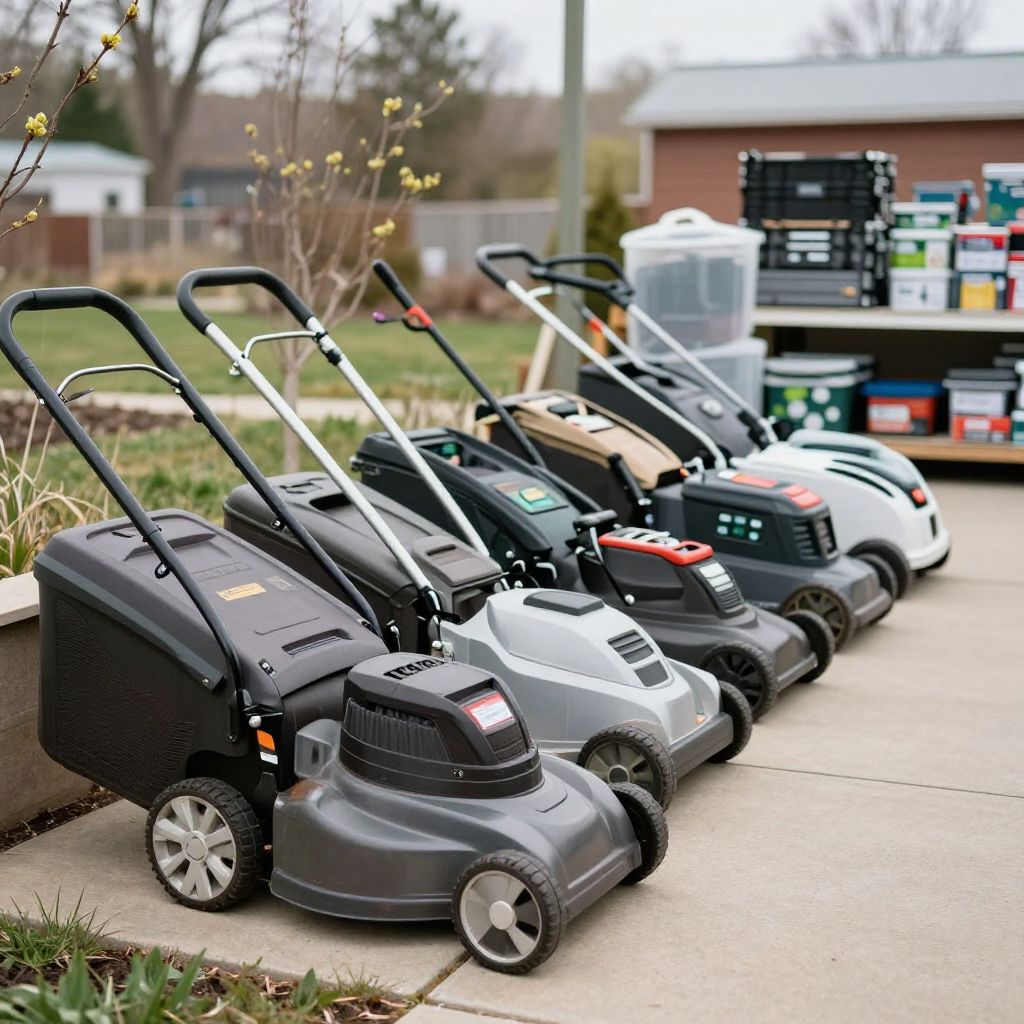
When do lawn mowers go on sale? If you’re hoping to save money on a new mower, the best time is usually tied to retail seasons, not the gardening calendar alone. Prices often dip during end-of-season clearances, holiday promotions, and model-year changeovers.
Knowing when to buy can help you choose the right mower for your lawn size, terrain, and maintenance needs without paying peak-season prices. Here’s how to time your purchase and what to look for so you buy the right machine at the right moment.
When do lawn mowers go on sale?
Lawn mowers usually go on sale in late summer through fall, especially as retailers clear out inventory before winter and make room for next year’s models. You can also find discounts around spring holidays, but the deepest savings are often on last-season stock, floor models, and open-box units.
Best times of year to buy a lawn mower
Late summer and fall
This is often the strongest sale season for mowers. Stores want to reduce outdoor power equipment inventory after peak mowing season, so you may see markdowns on push mowers, self-propelled models, riding mowers, and accessories.
If you do not need a mower immediately, this is usually the most budget-friendly time to shop.
Spring promotions
Spring is when demand rises, so prices are often higher than in fall. Still, many retailers run holiday sales around early spring weekends, Memorial Day, and other seasonal events. These can be good opportunities if you need a mower before the growing season starts.
Holiday sales and clearance events
Major sale periods can include Black Friday, Cyber Monday, and post-holiday clearance events. Selection may be limited, but you can sometimes find strong discounts on remaining stock, especially if you are flexible about brand or features.
End-of-model-year markdowns
Retailers and dealers often discount older models when new inventory arrives. If you are comparing machines, ask whether a newer version is coming soon. A slightly older model can be a smart buy if the cutting width, battery system, or engine size still fits your lawn.
How to choose the right mower before you buy
Sale timing matters, but the wrong mower is still a bad deal. Before you shop, match the mower to your lawn size, slope, grass type, storage space, and how much maintenance you want to handle.
Match mower type to your lawn
- Push mower: Best for small, flat lawns and simple storage.
- Self-propelled mower: Helpful if your yard has slopes or you want less effort.
- Riding mower or lawn tractor: Better for larger properties where walking the whole lawn is time-consuming.
- Battery mower: Good for smaller to medium lawns if you want quieter operation and less maintenance.
- Gas mower: Often preferred for longer run time and tougher mowing conditions.
Think about cutting width and storage
A wider deck can reduce mowing time, but it may be harder to maneuver around trees, beds, and narrow gates. Measure your shed, garage, or storage area before buying, especially if you are considering a riding mower.
Check terrain and grass conditions
Hilly yards, thick turf, damp ground, and rough patches all affect mower performance. If your lawn is uneven or frequently wet, look for larger rear wheels, solid traction, and a mower that can handle your conditions without bogging down.
How to shop smart during mower sales
Compare the full cost, not just the sticker price
A low sale price can be misleading if replacement parts, batteries, oil, filters, or maintenance costs are high. For gas mowers, factor in ongoing upkeep. For battery mowers, check whether batteries and chargers are included.
Look for these sale opportunities
- Last year’s models with clear markdowns.
- Floor models with minor cosmetic wear.
- Open-box returns with a full warranty.
- Bundle deals that include batteries, bags, or extra blades.
- Dealer specials on service-ready units.
Inspect before you buy
If you are buying in person, check the deck, wheels, handle joints, and controls for damage. Confirm the warranty terms, return policy, and whether assembly is included. For online purchases, read the specifications carefully so you do not end up with the wrong size or power level.
What to do if you buy a mower off-season
Buying in fall or winter can save money, but you still need to store the mower correctly until spring. Good storage prevents stale fuel, battery damage, rust, and avoidable repair bills.
Gas mower storage basics
- Clean grass clippings off the deck before storage.
- Check the owner’s manual for fuel-storage guidance.
- Store in a dry, ventilated area away from ignition sources.
- Keep the blade protected and the mower on a stable surface.
Battery mower storage basics
- Remove the battery if the manufacturer recommends it.
- Store batteries in a cool, dry place.
- Avoid leaving batteries in freezing or very hot conditions.
- Keep the charger and battery contacts clean and dry.
Important: A mower that sits unused for months can still need maintenance before its first spring cut. Plan for blade sharpening, tire checks, and a general inspection before the mowing season starts.
Common mistakes to avoid when buying on sale
Buying too early without comparing models
Early-season excitement can lead to rushed decisions. Compare at least a few models so you understand the differences in deck size, power source, self-propelled features, and warranty coverage.
Choosing price over fit
The cheapest mower is not always the best value. If your yard is steep, large, or full of obstacles, a bargain model that struggles in your conditions may wear out quickly or make mowing frustrating.
Ignoring maintenance needs
Some buyers focus only on purchase price and forget about upkeep. Gas mowers need routine service, while battery mowers depend on battery life and replacement costs. Choose the mower you can realistically maintain.
Forgetting seasonal demand
If you wait until peak mowing season, selection may be limited and prices may be higher. If you know you need a mower, shopping during clearance periods usually gives you more leverage.
How mower sales connect to lawn care timing
The best mower-buying window often lines up with the end of active mowing season in your area. In many climates, that means late summer or fall. In warmer regions with longer growing seasons, sales may shift later, and you may still be mowing when other areas are already clearing inventory.
That is why local climate matters. A lawn in a mild coastal region may need mowing much longer than a lawn in a colder inland area. Watch your grass growth, not just the calendar, and shop when retailers are trying to move seasonal equipment.
Simple buying checklist
- Measure your lawn size and storage space.
- Decide between push, self-propelled, riding, gas, or battery.
- Compare sale prices with warranty and maintenance costs.
- Look for end-of-season or model-year clearance.
- Inspect the mower carefully before purchase.
- Plan for proper storage if you buy off-season.
Conclusion
If you are asking when do lawn mowers go on sale, the best answer is usually late summer through fall, with additional deals around spring promotions and major holiday sales. Shop with your lawn’s size, terrain, and maintenance needs in mind, and you are far more likely to get a mower that saves money and works well for years.
For more practical mower care, you may also want to read about what kind of oil a lawn mower takes.