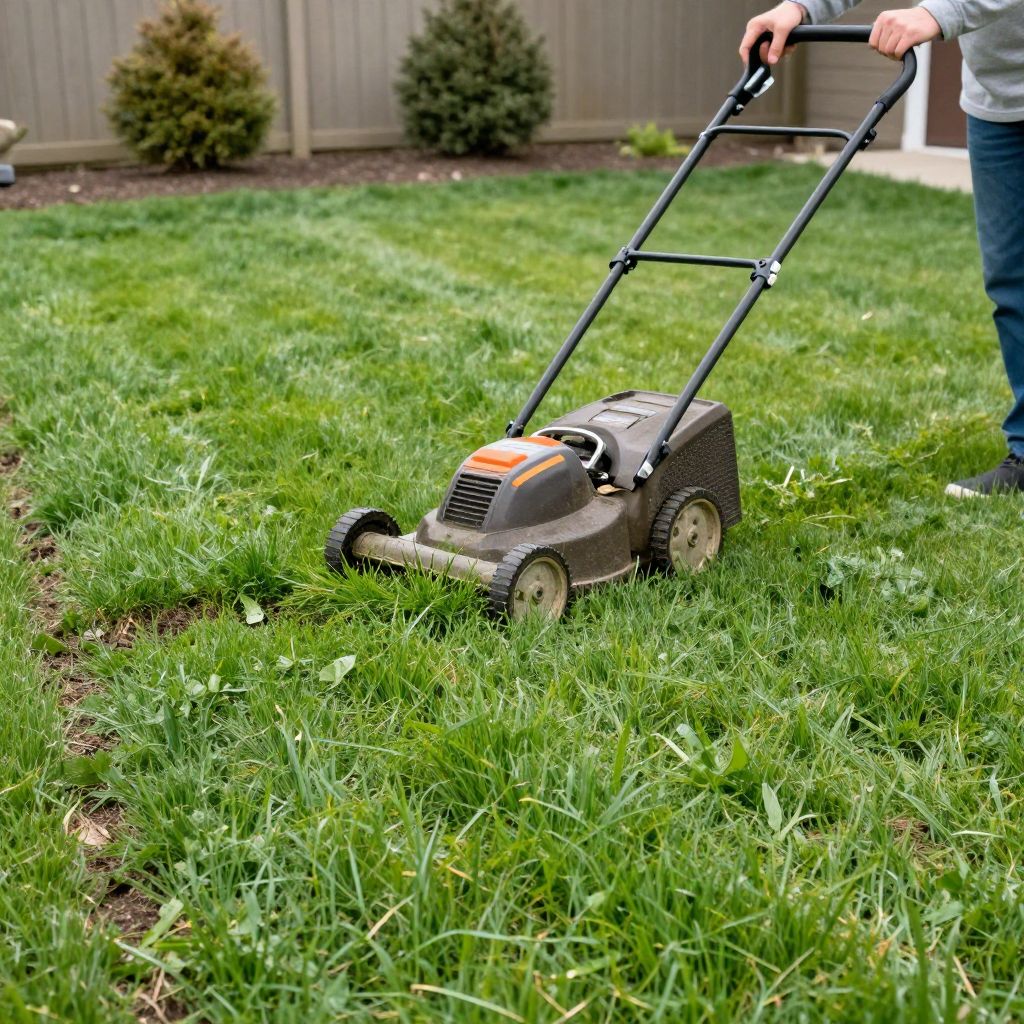
Wondering when to mow new grass without damaging it? The right timing depends on how the lawn was started, how tall the seedlings are, and whether the soil is still soft and wet. Mowing too early can pull young roots loose, while waiting too long can make the grass flop over and shade itself out.
With a little patience and the right mower setup, you can help new turf thicken up instead of stressing it. The goal is to trim lightly, not scalp the lawn, and to mow only when the grass is established enough to handle it.
When to mow new grass?
Mow new grass for the first time when it reaches about 3 to 4 inches tall and the soil is firm enough that your footsteps do not sink in. For most lawns, that means waiting until seedlings have rooted well and you can remove no more than one-third of the blade height at a time.
How to tell new grass is ready for its first mow
Height alone is not enough. New grass should also resist a gentle tug and stay anchored in the soil before you mow it.
Signs it is ready
- The grass is at least 3 to 4 inches tall.
- Seedlings no longer lift easily when you lightly pull on them.
- The soil surface is not muddy, soggy, or easily rutted.
- Most of the area is filled in enough to support a mower wheel without tearing.
Signs you should wait
- New blades are still short and sparse.
- The lawn feels soft underfoot after watering or rain.
- Seedlings come up when you brush them with your hand.
- You can still see a lot of bare soil between plants.
Seasonal timing: spring, summer, and fall
The best time to mow new grass is not tied to one calendar date. It depends on when your lawn was seeded or installed and how quickly it is growing in your climate.
Spring-seeded lawns
Spring lawns often grow quickly once temperatures warm, so the first mow may come sooner than you expect. Keep an eye on height during mild, moist weather, because fast growth can push seedlings past the ideal mowing window.
Summer-seeded lawns
Warm weather can speed growth, but heat stress also makes young grass more vulnerable. If the lawn was seeded in hot weather, mow only when the grass is clearly established and the soil is not dry and brittle.
Fall-seeded lawns
Fall is often an excellent time for new lawns because cooler temperatures and steadier moisture help roots develop. You may still need to mow before cold weather arrives if the grass keeps growing, but avoid cutting late in the season if growth has slowed and the turf is fragile.
How high should you cut new grass?
For the first mow, set the mower high and remove only the top portion of the blades. A good rule is to cut no more than one-third of the grass height in a single mowing.
Example
- If new grass is 4 inches tall, mow it down to about 3 inches.
- If it is 5 inches tall, mow it to about 3.5 inches.
This light trimming encourages thicker growth without shocking tender roots. Cutting too short can slow establishment and expose the soil to drying out.
How to mow new grass safely
The first mow should be calm, slow, and gentle. Your mower setup matters just as much as your timing.
- Make sure the soil is dry enough. Wait until the lawn is dry on top and firm beneath your feet.
- Use a sharp blade. A dull blade tears tender grass and leaves ragged tips.
- Raise the mower deck. Start high to avoid cutting too much at once.
- Mow slowly. Fast turns and heavy pressure can uproot seedlings.
- Change direction. On the next mow, vary your pattern to reduce wheel tracks and leaning.
- Collect clumps if needed. Light clippings can stay, but thick piles should be removed so they do not smother young grass.
Best mower choices for new grass
A lightweight mower is usually easiest on young turf. Heavy riding mowers can compact soft soil and leave ruts, especially on newly seeded areas.
What works well
- A sharp push mower for small or medium lawns
- A lightweight self-propelled mower on larger areas
- A mower with adjustable cutting height
What to avoid
- Cutting with a dull blade
- Mowing when the ground is wet
- Using a low deck setting for the first cut
- Making sharp turns on tender seedlings
What if the new grass is from sod, plugs, or sprigs?
New grass is not always grown from seed. Sod, plugs, and sprigs each have their own mowing timing because they establish differently.
Sod
You can usually mow sod sooner than seeded grass once it has rooted into the soil. Check by gently lifting a corner or tugging lightly; if it resists and feels anchored, it is closer to mowing time.
Plugs and sprigs
These need more time to spread and knit together. Wait until the area is well rooted and the new plants are tall enough to mow without being flattened or pulled loose.
Common mistakes when mowing new grass
Most problems come from mowing too early, cutting too short, or working on wet soil. These mistakes can slow establishment and create thin patches.
- Mowing before roots are set can rip seedlings out of the ground.
- Scalping the lawn weakens young grass and exposes soil.
- Using a dull blade tears the leaf tips and increases stress.
- Driving on wet ground can compact soil and leave tracks.
- Waiting too long can cause grass to bend over, shade itself, and grow unevenly.
Watering and mowing: how they work together
New grass usually needs consistent moisture to establish, but mowing should happen when the surface is not wet. Water deeply enough to support rooting, then let the top layer dry before mowing.
If the lawn is still being watered frequently, try to mow on a dry day after the grass has had time to firm up. Wet blades stick together, and wet soil is more likely to compact under mower wheels.
What to do after the first mow
After mowing, keep the lawn on a steady establishment routine. Avoid heavy traffic for a few days if possible, and watch for areas that were flattened or missed.
Aftercare checklist
- Leave the lawn at a moderate height.
- Water only as needed for your climate and soil conditions.
- Inspect for thin spots, bare patches, or mower damage.
- Wait before applying strong fertilizer unless your lawn plan calls for it.
If the grass looks uneven after the first cut, do not rush to mow again. Let it recover and regain height before the next pass.
Troubleshooting: if the lawn is uneven or patchy
New lawns often grow at different speeds across the yard. Shadier spots, compacted soil, poor drainage, or uneven watering can all delay mowing readiness.
What to check
- Sunlight: Thin areas may be getting less light than the rest of the lawn.
- Drainage: Puddling or soggy spots can slow rooting.
- Soil contact: Seed that did not make good contact with soil may germinate unevenly.
- Compaction: Hard soil can restrict root growth.
If one area is much taller than the rest, mow only when the shortest sections are also ready, or trim the taller patches lightly and avoid scalping the lower spots.
How often should you mow new grass?
There is no fixed schedule. Mow whenever the lawn reaches the right height again and the roots are strong enough to handle it. In active growth periods, that may be weekly or even more often; in cooler or drier weather, it may slow down considerably.
Let the grass tell you when it is ready. Height, root strength, and soil firmness matter more than the calendar.
Conclusion
To mow new grass successfully, wait until it is about 3 to 4 inches tall, firmly rooted, and dry enough to support the mower. Then cut only a little at a time with a sharp blade and a high deck setting. If you are unsure, wait another few days rather than risk pulling up young turf.
For more mower care tips that support healthy lawn maintenance, you may also find this helpful: what kind of oil does a lawn mower take?