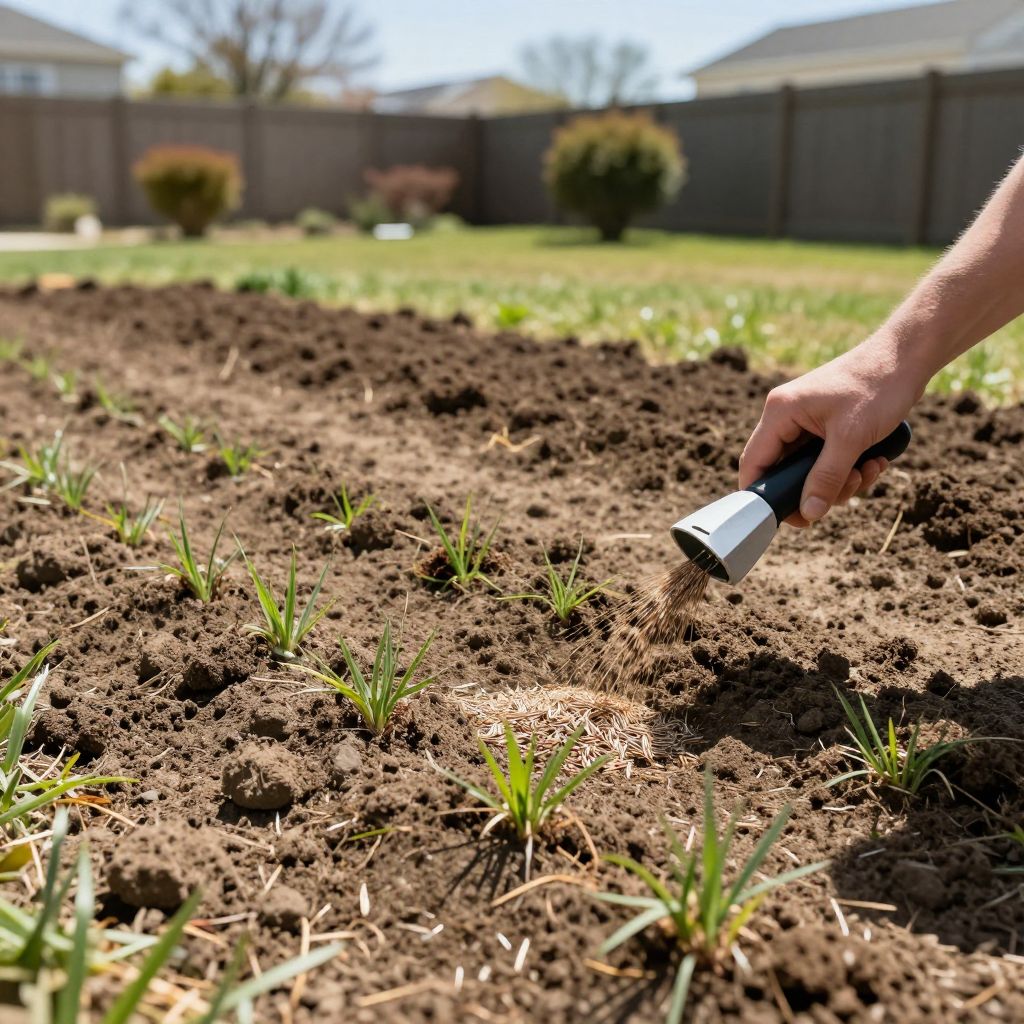
Wondering when to plant Bermuda grass so it actually takes off instead of struggling through a weak start? Timing matters with this warm-season turf, because soil temperature, frost risk, and your local climate all affect how quickly it roots and spreads.
The good news is that Bermuda grass is forgiving once conditions are right. If you plant it too early, cold soil can slow germination and rooting; if you plant it too late, young grass may not establish before cooler weather arrives.
When to plant Bermuda grass?
The best time to plant Bermuda grass is in late spring to early summer, after the last frost, when soil temperatures are consistently warm—ideally around 65°F to 70°F or higher. Bermuda grass grows fastest in heat and full sun, so planting during its active growing season gives seed, sod, plugs, or sprigs the best chance to establish quickly.
Why planting time matters for Bermuda grass
Bermuda grass is a warm-season turfgrass, which means it wakes up slowly in cool weather and thrives when temperatures rise. If the soil is still cold, seeds germinate slowly and new sod roots poorly.
Planting at the right time also helps the lawn compete with weeds. A strong Bermuda stand fills in bare spots faster, which reduces open soil where crabgrass and other weeds can move in.
Signs your yard is ready
- Soil is warm to the touch, not cold and damp.
- Night temperatures are staying mild, not dropping near frost.
- Most trees are fully leafed out and spring growth is underway.
- You can water and mow consistently during the establishment period.
Best planting windows by method
How you plant Bermuda grass affects the timing a little. Seed, sod, sprigs, and plugs all do best during warm weather, but each has slightly different establishment needs.
Bermuda grass seed
Seed is usually planted once the soil is reliably warm in late spring or early summer. It needs consistent moisture to germinate, and cool nights can delay sprouting.
If you are seeding, avoid rushing the job in early spring just because the air feels warm. Soil temperature is more important than daytime weather for successful germination.
Sod
Sod can be installed a little earlier than seed in some climates because it gives you an instant surface, but it still roots best in warm soil. If you lay sod too early, the roots may sit inactive while the top stays green for a while.
Warm weather helps sod knit into the soil faster, which means less lifting at the edges and better drought tolerance once established.
Plugs and sprigs
Plugs and sprigs are best planted when Bermuda grass is actively growing and spreading. These methods rely on warm temperatures and patience, since the lawn fills in gradually.
They are useful if you are repairing a lawn or expanding Bermuda into a new area, but they are not the best choice if you need instant coverage.
How to prepare the site before planting
Good site preparation matters as much as timing. Bermuda grass prefers full sun, well-drained soil, and a clean planting bed with minimal competition.
- Test your soil if possible. A basic soil test tells you whether pH or nutrients need adjustment before planting.
- Remove weeds and old turf. Bermuda grass establishes best when it does not have to fight established weeds or thick thatch.
- Loosen the topsoil. Rake or lightly till the top few inches so roots can move into the soil more easily.
- Improve poor drainage if needed. Bermuda dislikes soggy soil, so fix low spots or compacted areas before planting.
- Level the surface. Smooth soil helps seed-to-soil contact and prevents water from pooling.
Sunlight needs
Bermuda grass performs best in full sun. It can thin out in heavy shade, under dense trees, or on the north side of buildings where light is limited.
If your lawn site gets less than about 6 hours of direct sun, consider whether Bermuda grass is the right choice before planting. In shade, it often becomes sparse and weak, no matter how well you time the planting.
How to plant Bermuda grass successfully
The exact steps depend on whether you are using seed, sod, or vegetative pieces, but the goal is the same: good soil contact, steady moisture, and warm growing conditions.
Planting Bermuda grass seed
- Rake the soil smooth and remove debris.
- Spread seed evenly according to the package directions.
- Lightly rake so the seed is covered very shallowly.
- Roll or press the area to improve seed-to-soil contact.
- Water gently so the soil stays moist, not muddy.
Do not bury Bermuda seed too deeply. It germinates best near the surface, and deep planting can reduce sprouting.
Installing Bermuda sod
- Prepare a smooth, moist soil base.
- Lay sod pieces tightly together without gaps.
- Stagger seams like bricks for a stronger finish.
- Roll lightly if needed to improve contact with the soil.
- Water immediately after installation.
Keep foot traffic off new sod until it starts rooting. If edges dry out or curl, water those areas promptly.
Using plugs or sprigs
- Plant plugs or sprigs in warm soil during active growth.
- Set them at the proper spacing for the coverage you want.
- Firm the soil around each piece.
- Water consistently until new growth fills in.
Plugs and sprigs take longer to cover bare ground, so weed control and patience are important during establishment.
Watering during establishment
New Bermuda grass needs consistent moisture, but it should not sit in waterlogged soil. The right balance helps roots grow downward instead of staying shallow.
For seed, keep the surface lightly moist until germination and early growth are underway. For sod, water well at installation and then keep the root zone evenly moist while it knits into the soil.
Common watering mistakes
- Letting the soil dry out completely during germination.
- Overwatering until the soil becomes soggy or algae forms.
- Using a strong spray that washes seed into piles.
- Watering only the surface while the soil below stays dry.
After Bermuda grass is established, water less often but more deeply. That encourages deeper roots and better heat tolerance.
Soil, compost, and drainage tips
Bermuda grass is adaptable, but it grows best in loose, well-drained soil. Heavy clay, compacted ground, and standing water can slow establishment and weaken the lawn over time.
If your soil is poor, a thin layer of compost can help improve structure before planting. Work it into the top few inches rather than leaving it in a thick layer on top.
What to avoid
- Planting in low spots that stay wet after rain.
- Adding too much organic material on the surface at once.
- Leaving construction debris, rocks, or roots in the planting area.
- Ignoring compaction in high-traffic areas.
If drainage is a chronic problem, fix that first. Bermuda grass can tolerate heat well, but it does not perform well in constantly saturated soil.
When to mow new Bermuda grass
Mow only after the grass has rooted well enough that pieces do not lift when you tug lightly. For seeded lawns, wait until the seedlings are tall enough to cut without stressing them.
Use a sharp mower blade and remove only a small amount of leaf blade at a time. Cutting too short too soon can slow establishment and expose the soil to heat and weeds.
Helpful mowing habits
- Keep blades sharp for a clean cut.
- Avoid mowing when the soil is wet and soft.
- Do not scalp young Bermuda grass.
- Follow the one-third rule: remove no more than one-third of the leaf height at a time.
Common problems after planting
Most Bermuda grass planting problems come from planting too early, too late, or in the wrong site conditions. The good news is that many issues are preventable.
Slow germination or rooting
This usually happens when the soil is too cool or the lawn dries out between waterings. Wait for warmer weather and keep the planting area evenly moist.
Thin or patchy growth
Patchiness can come from uneven seed spread, poor soil contact, shade, or compacted soil. Reseed thin spots only after you correct the underlying issue.
Weed competition
Weeds often move into bare soil before Bermuda fills in. A dense, healthy stand is the best long-term weed control, but early cleanup and proper site prep help a lot.
Yellowing or weak growth
Yellow grass may signal poor drainage, nutrient imbalance, or stress from planting too early. Check soil conditions before adding fertilizer, since the real problem is often environmental.
Can you plant Bermuda grass in fall?
Fall is usually not the best time to start Bermuda grass from seed or plugs in most climates. As temperatures cool, growth slows and young plants may not establish before dormancy.
In very warm climates, some lawn projects can still be done later in the season, but success depends on how long warm weather will last. If you are unsure, earlier is usually safer than later for Bermuda grass planting.
Best practices for long-term success
Once your Bermuda grass is established, keep it healthy by matching care to its growth habit. It likes sun, heat, and regular mowing during the growing season.
- Plant in full sun whenever possible.
- Choose warm, frost-free weather for establishment.
- Keep the seedbed or sod base well prepared and level.
- Water consistently until roots are established.
- Watch for shade, compaction, and drainage problems.
If you want a thicker lawn, focus on strong establishment first. Bermuda grass spreads well once it is happy, but it needs the right start to fill in quickly and stay dense.
If you are planning a new lawn or repairing bare areas, it can also help to read more about soil preparation and lawn watering basics before you begin. Those two steps make a big difference in how well Bermuda grass establishes and how quickly it turns into a durable, green lawn.