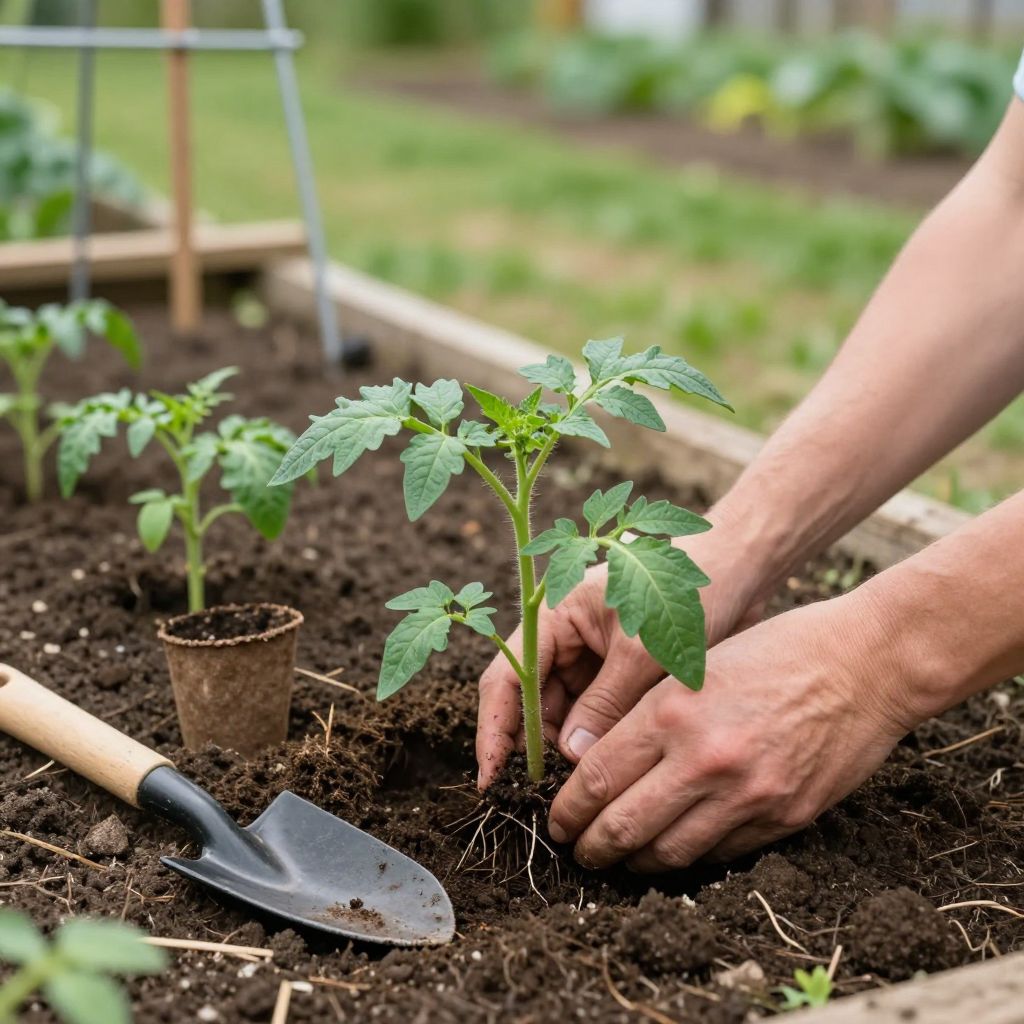
Wondering when to plant tomatoes in NC? The best time depends on your part of the state, but most North Carolina gardeners set tomatoes out after the last frost, when nights stay reliably mild and soil has warmed. In many areas, that means spring planting from late March through May, with coastal and southern spots often earlier than mountain gardens.
Tomatoes are warm-season crops, and planting too early is one of the most common mistakes. If you wait for the right soil temperature, protect young plants from cold snaps, and choose a sunny site with good drainage, you’ll give your tomatoes a much better start.
When to plant tomatoes in NC?
In North Carolina, transplant tomatoes outdoors after the danger of frost has passed and soil temperatures are consistently above 60°F. In the Piedmont, that is often mid-April to early May; in the Coastal Plain, late March to mid-April may work; in the mountains, late April to mid-May is usually safer. Use your local frost date as the final guide.
Why timing matters so much for tomatoes
Tomatoes grow best in warm soil and warm nights. If you plant them into cold ground, they may stall, turn purple, or become more vulnerable to disease and transplant shock.
Even if the air feels pleasant during the day, chilly nights can slow growth. A young tomato planted too early may sit and sulk for weeks, while a later planting often catches up quickly once conditions are right.
What tomatoes need to get established
- Soil temperature: ideally 60°F or warmer.
- Air temperature: nights consistently above 50°F are helpful.
- Sunlight: at least 6 to 8 hours of direct sun.
- Drainage: soil that drains well and does not stay soggy.
North Carolina planting windows by region
North Carolina stretches across several climate zones, so one planting date does not fit the whole state. Your local frost date matters more than a calendar day.
Coastal Plain
In many coastal and southeastern areas, tomatoes can often go into the garden from late March through mid-April if frost risk has passed. Watch for late cold spells, especially in low-lying spots.
Piedmont
For much of the Piedmont, mid-April through early May is a dependable window. If you plant earlier, be ready to cover plants on cold nights.
Mountains
Mountain gardens usually need the latest planting window, often late April through mid-May. Frost can linger longer at higher elevations, so patience pays off.
Fall planting?
Tomatoes are usually a spring and early summer crop in NC. A fall planting is generally not practical outdoors because frost returns before most varieties can produce well.
How to tell if it is really time to plant
Instead of relying only on the calendar, check the conditions in your own garden. A warm forecast is helpful, but the soil and nighttime temperatures matter just as much.
- Check your average last frost date for your town or county.
- Wait until the soil is workable and no longer cold and wet.
- Make sure nighttime temperatures are staying above 50°F.
- Have row cover, cloches, or buckets ready if a late frost is predicted.
Tip: If you plant and then get a cold snap, cover young tomatoes overnight. Remove covers in the morning so plants do not overheat.
Starting tomatoes indoors before planting out
Most gardeners in NC get better results by starting tomatoes indoors and transplanting them later. This gives you stronger plants and a longer harvest window.
Start seeds about 6 to 8 weeks before your expected outdoor planting date. That usually means late January through March depending on your region.
Indoor seed-starting basics
- Use a sterile seed-starting mix, not heavy garden soil.
- Keep seedlings in bright light, ideally under grow lights.
- Maintain warmth for germination, then give strong light to prevent leggy growth.
- Pot up seedlings if they outgrow their cells before transplanting time.
Before planting outdoors, harden off seedlings for 7 to 10 days. Gradually expose them to outdoor sun, wind, and cooler temperatures so they adjust without stress.
Best site and soil conditions for NC tomatoes
Tomatoes do best in full sun with loose, fertile soil that drains well. In North Carolina, clay soil is common in many areas, so drainage and organic matter are especially important.
Soil preparation
Work compost into the top 6 to 8 inches of soil before planting. Compost improves structure, helps sandy soil hold moisture, and helps clay soil drain better over time.
- Choose a site with full sun and good air circulation.
- Avoid low spots where cold air and water collect.
- Mix in compost or well-rotted organic matter.
- Do not plant where tomatoes, peppers, eggplants, or potatoes were grown recently if disease has been a problem.
If your soil stays wet after rain, consider raised beds or mounded rows. Tomatoes hate “wet feet,” and poor drainage can lead to root problems and disease.
How to plant tomatoes correctly
Plant tomatoes a little deeper than they grew in the pot. The buried stem can form roots, which helps the plant anchor itself and take up more water.
- Dig a hole deep enough to bury part of the stem.
- Remove lower leaves from the transplant.
- Set the plant so only the top cluster of leaves remains above soil.
- Backfill gently and water thoroughly.
- Space plants far enough apart for airflow and mature size.
For most home gardens, spacing of about 24 to 36 inches between plants is a practical starting point, with rows far enough apart for you to walk and work comfortably.
Staking or caging at planting time
Put supports in place at planting time, not after the plant is large. This avoids root damage and makes training the plant much easier.
- Cages work well for many home gardeners and reduce fruit contact with soil.
- Stakes are useful if you prune and tie plants regularly.
- Strong support also improves air movement and can reduce disease pressure.
Watering and mulching after planting
Newly planted tomatoes need even moisture to settle in, but they should not sit in soggy soil. Water deeply after planting, then keep the root zone evenly moist as the plant establishes.
Mulch with straw, shredded leaves, or another clean organic mulch after the soil has warmed. Mulch helps conserve moisture, suppress weeds, and reduce soil splash onto leaves.
Common watering mistakes
- Watering lightly every day instead of soaking deeply.
- Letting plants wilt repeatedly before watering.
- Wet foliage late in the day, which can encourage disease.
- Overwatering in heavy soil that drains poorly.
Try to water at the base of the plant rather than overhead. Consistent moisture is especially important once flowering and fruit set begin.
Protecting tomatoes from late cold snaps
North Carolina weather can still surprise you after planting season begins. A late frost or cold night can damage tender tomato plants, especially if they are newly set out.
Simple protection methods
- Use row cover, frost cloth, or a bucket overturned over the plant at night.
- Remove covers in the morning so plants get light and air.
- Avoid plastic touching leaves directly during a freeze.
- If a hard frost is forecast, wait to plant or be prepared to cover every night.
If a light frost nips the top growth, the plant may recover. If the stem is badly damaged, replacement is often the best option.
Common tomato problems in NC and how to prevent them
Warm, humid weather can make tomato diseases more common in North Carolina. Good spacing, clean watering habits, and crop rotation help a lot.
Diseases to watch for
- Early blight: lower leaves develop dark spots, often after wet weather.
- Septoria leaf spot: many small spots on older leaves, especially in humid conditions.
- Blossom end rot: dark, leathery spot on the bottom of fruit, often linked to uneven watering.
- Wilts and root issues: plants decline even when soil seems moist, often worsened by poor drainage.
Pest pressure
Caterpillars, aphids, stink bugs, and hornworms can all show up in tomato beds. Check plants often, especially under leaves and near the growing tips.
- Hand-pick hornworms when you find them.
- Remove badly damaged leaves to improve airflow.
- Keep weeds down around the bed.
- Rotate planting spots each year if possible.
Important: Avoid crowding tomatoes. Dense planting traps humidity, which increases disease risk in NC’s summer weather.
Pruning, feeding, and general care
Tomatoes do not need heavy pruning to produce well, but some light maintenance helps. Remove leaves touching the soil and any damaged or diseased foliage as the plant grows.
Feed plants based on soil needs rather than on a fixed schedule. A soil test is the best way to know whether your garden needs lime or additional nutrients before planting.
Good maintenance habits
- Keep weeds down so they do not compete for water and nutrients.
- Check ties on staked plants so stems are not pinched.
- Pick ripe fruit regularly to encourage continued production.
- Watch for yellowing leaves, spots, or wilting early.
When to harvest tomatoes in NC
Harvest time depends on variety and planting date, but most spring-planted tomatoes begin ripening in early to mid-summer. Pick fruit when it has full color and gives slightly to gentle pressure.
If a storm or pest problem threatens ripe fruit, harvest at the breaker stage, when the fruit has started to blush. Tomatoes can finish ripening indoors at room temperature.
Quick checklist for planting tomatoes in North Carolina
- Wait until frost danger has passed in your area.
- Make sure soil is warm, not cold and soggy.
- Choose full sun and well-drained soil.
- Harden off transplants before setting them out.
- Plant deeply and support plants right away.
- Mulch after the soil warms.
- Water consistently and watch for disease early.
Final thoughts
The best answer to when to plant tomatoes in NC is simple: plant after the last frost when the soil has warmed and nights are staying mild. If you match your planting time to your region and give tomatoes sun, drainage, and steady care, you’ll set yourself up for a stronger harvest.
For more help with timing and crop planning, you may also want to read about vegetable garden basics and how to prepare garden soil before you plant.