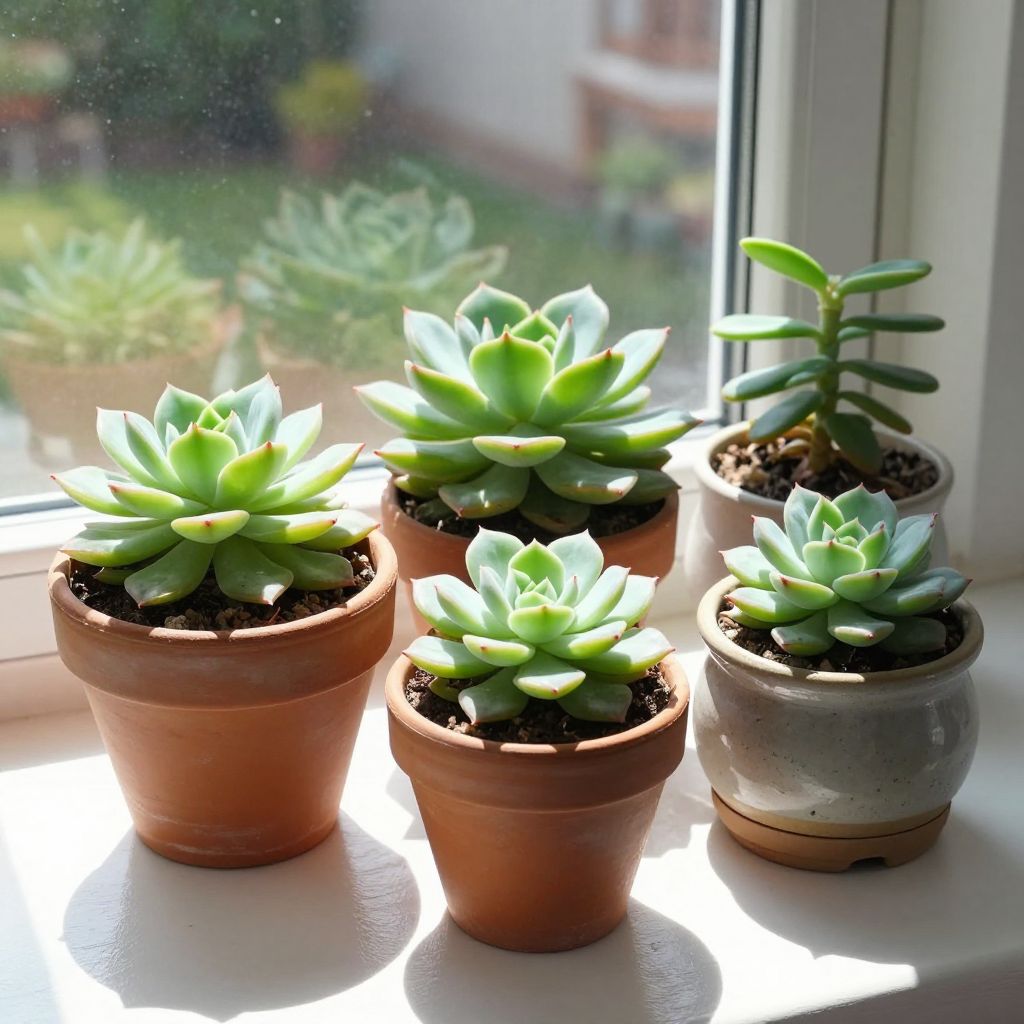
Do succulents need sunlight? Yes, most succulents need bright light to stay compact, colorful, and healthy, but the amount varies by species and whether they’re grown indoors or outdoors. Too little light is one of the most common reasons succulents stretch, lose shape, and stop thriving.
The good news is that you can usually fix light problems with a few simple adjustments. Once you know how much sun your succulent type prefers, you can place it in the right spot, water it correctly, and avoid the stress that leads to weak growth.
Do succulents need sunlight?
Most succulents need several hours of bright light each day, and many do best with some direct sun. Indoors, a bright south- or west-facing window is often ideal. Outdoors, many succulents prefer morning sun and afternoon shade, especially in hot climates where intense midday sun can scorch leaves.
How much sun do succulents really need?
The answer depends on the plant. Some succulents tolerate lower light, but most need bright, indirect light plus some direct sun to stay compact and colorful. A few hours of direct morning sun is often enough for many common types, while others can handle more if they’re gradually acclimated.
General light needs by growing situation
- Low light: Usually not enough for long-term health, though some shade-tolerant succulents can survive temporarily.
- Bright indirect light: Good for many indoor succulents, especially near windows.
- Direct sun: Often needed for strong growth and good color, especially outdoors.
If you’re unsure, watch the plant rather than guessing. Healthy succulents stay firm, compact, and evenly colored, while light-starved plants often lean toward the window and stretch between leaves.
Signs your succulent is not getting enough light
Succulents usually show light problems clearly. The most common signs are long, weak stems, wide gaps between leaves, and growth that tilts toward the nearest light source. Color may fade, and the plant can look “open” instead of tight and full.
Common symptoms of low light
- Etiolation: Stretching as the plant reaches for more light.
- Pale color: Green or washed-out leaves instead of rich tones.
- Flopping or leaning: Weak stems that can’t support growth well.
- Slow recovery: New leaves may be smaller and farther apart.
Low light is often mistaken for a watering problem. If the soil is drying normally but the plant looks stretched, sunlight is usually the issue.
Can succulents get too much sun?
Yes. While many succulents love light, sudden exposure to strong sun can scorch leaves, especially if the plant was grown indoors or in shade. Sunburn often appears as bleached patches, brown crispy areas, or translucent damage on the most exposed leaves.
Signs of too much direct sun
- White, tan, or brown patches on leaves
- Wrinkled or shriveled leaves after intense heat
- Leaves turning reddish or purple from stress, not just natural color
- Dry, crispy tips on exposed growth
Some red, purple, or orange coloring can be normal in bright light, but if the tissue looks bleached or damaged, the plant is getting more sun than it can handle. Heat matters too: a succulent in a hot window or against reflective stone can overheat even if it likes bright light.
Indoor succulent light: best placement and care
For indoor succulents, the brightest window in your home is usually the best starting point. A south-facing window often provides the strongest light, while east- or west-facing windows can also work well depending on season and climate. North-facing windows usually need help from a grow light.
How to place indoor succulents
- Put the plant as close to the window as possible without touching cold glass.
- Rotate the pot every week or two so growth stays even.
- If the plant stretches, move it to brighter light gradually.
- Use a grow light if natural light is weak, especially in winter.
Indoor succulents often fail because the light is bright to your eyes but still too weak for the plant. A sunny room is not always enough if the plant sits several feet from the window.
Using grow lights for succulents
Grow lights can be very helpful when natural sunlight is limited. Place the light close enough to brighten the plant evenly, and keep it on for a consistent daily cycle rather than leaving the plant in darkness for long stretches.
- Choose a full-spectrum grow light designed for plants.
- Keep the light close enough to be effective, but not so close that leaves overheat.
- Use a timer if possible so the plant gets a steady routine.
If you use grow lights, watch the plant closely for signs of stress. Too much artificial light can still cause bleaching or dryness, especially in small pots.
Outdoor succulent light: sun, shade, and climate
Outdoors, succulents usually perform best with morning sun and some protection from harsh afternoon heat. In cooler climates, they may tolerate more direct sun. In hot, dry, or reflective locations, they often need filtered light or partial shade to avoid damage.
Outdoor placement tips
- Give sun-loving succulents at least a few hours of direct light if possible.
- Protect tender plants from intense afternoon sun in summer.
- Avoid placing pots on scorching patios or near heat-reflecting walls unless the plant is acclimated.
- Use shade cloth, taller plants, or light afternoon cover in very hot regions.
Container-grown succulents usually need more frequent attention than those in the ground because pots heat up and dry out faster. A plant that thrives in spring sun may need more protection in midsummer.
How to acclimate succulents to more sunlight
Never move a shade-grown succulent straight into full sun. Sudden exposure is a common cause of sunburn. Instead, increase light gradually over one to two weeks, or longer if the plant is especially tender or has been indoors for a long time.
Simple acclimation method
- Start with bright shade or short periods of morning sun.
- Increase direct sun exposure a little every few days.
- Watch for bleaching, dryness, or leaf scorch.
- Pause or reduce exposure if the plant shows stress.
This gradual approach is especially important for succulents bought from a store, since many are grown in protected greenhouse conditions and are not ready for strong outdoor sun immediately.
Light, soil, and watering work together
Sunlight is only part of succulent care. A plant in brighter light usually uses water faster, while one in low light dries more slowly and is easier to overwater. That means your watering habits should change with the amount of light the plant receives.
Good soil and drainage matter
Succulents need fast-draining soil so roots do not stay wet for long periods. Use a gritty, airy mix made for cacti and succulents, or amend regular potting soil with mineral material that improves drainage. A pot with a drainage hole is strongly recommended.
- Choose a container with a drainage hole.
- Use a well-draining cactus or succulent mix.
- Avoid heavy, compacted soil that stays wet too long.
Bright light and poor drainage can still lead to root rot if the soil remains soggy. Good light helps, but it does not replace proper potting mix.
Watering based on light level
In brighter light, succulents may need water more often because they grow and transpire more. In lower light, they usually need less. Always check the soil first and water only when it has dried enough for the plant’s needs and your climate.
A simple rule: if the plant is in strong light and active growth, it may dry faster; if it is in dimmer light or cool weather, it may stay moist much longer.
Common mistakes to avoid
Many succulent problems come from trying to treat all succulents the same. Light needs vary, and a plant that looks fine for a while can still decline slowly if its environment is wrong.
- Putting low-light succulents in deep shade: They may survive briefly, but usually become weak and stretched.
- Moving plants into full sun too fast: This often causes scorch.
- Assuming a bright room equals enough sun: Window distance matters a lot.
- Overwatering after moving to brighter light: Faster growth does not mean constantly wet soil.
- Ignoring seasonal changes: Winter light is weaker, and summer heat can be harsher.
What to do if your succulent is stretching
If your succulent has already become leggy, you can often improve its appearance and future growth with better light and a little pruning. The stretched part will not shrink back, but new growth can be much healthier.
Steps to correct etiolated growth
- Move the plant to brighter light gradually.
- Rotate it regularly so it grows evenly.
- Trim back very stretched stems if the plant can be propagated from cuttings.
- Replant healthy cuttings in fresh, well-draining soil.
Many rosette-forming succulents can be propagated from stem or leaf cuttings, depending on the species. Let cut ends dry and callus before planting so they are less likely to rot.
Seasonal sunlight changes to watch for
Sunlight changes through the year, and succulents respond to those changes. A plant that thrives in winter on a sunny windowsill may need more protection in summer, while an outdoor plant that loves spring sun may struggle in a heat wave.
Seasonal care reminders
- Winter: Light is weaker, so indoor plants may need a brighter window or grow light.
- Spring: Reintroduce outdoor plants to stronger sun gradually.
- Summer: Watch for heat stress, especially in pots and southern exposures.
- Fall: Light levels drop again, so adjust placement if growth slows.
If you live in a cloudy climate, at high latitude, or in a home with shaded windows, your succulents may need more help than the average care guide suggests. Always adapt to your local conditions.
Final answer: yes, but the right amount matters
So, do succulents need sunlight? Yes, they do, and most need more light than people expect. The key is matching the plant to the right exposure, then adjusting gradually if it starts stretching, fading, or scorching.
Check your succulent’s current spot today, move it closer to brighter light if needed, and watch how it responds over the next couple of weeks. For more practical plant care help, you may also enjoy reading about how to choose the right potting mix for succulents and common indoor plant light problems.