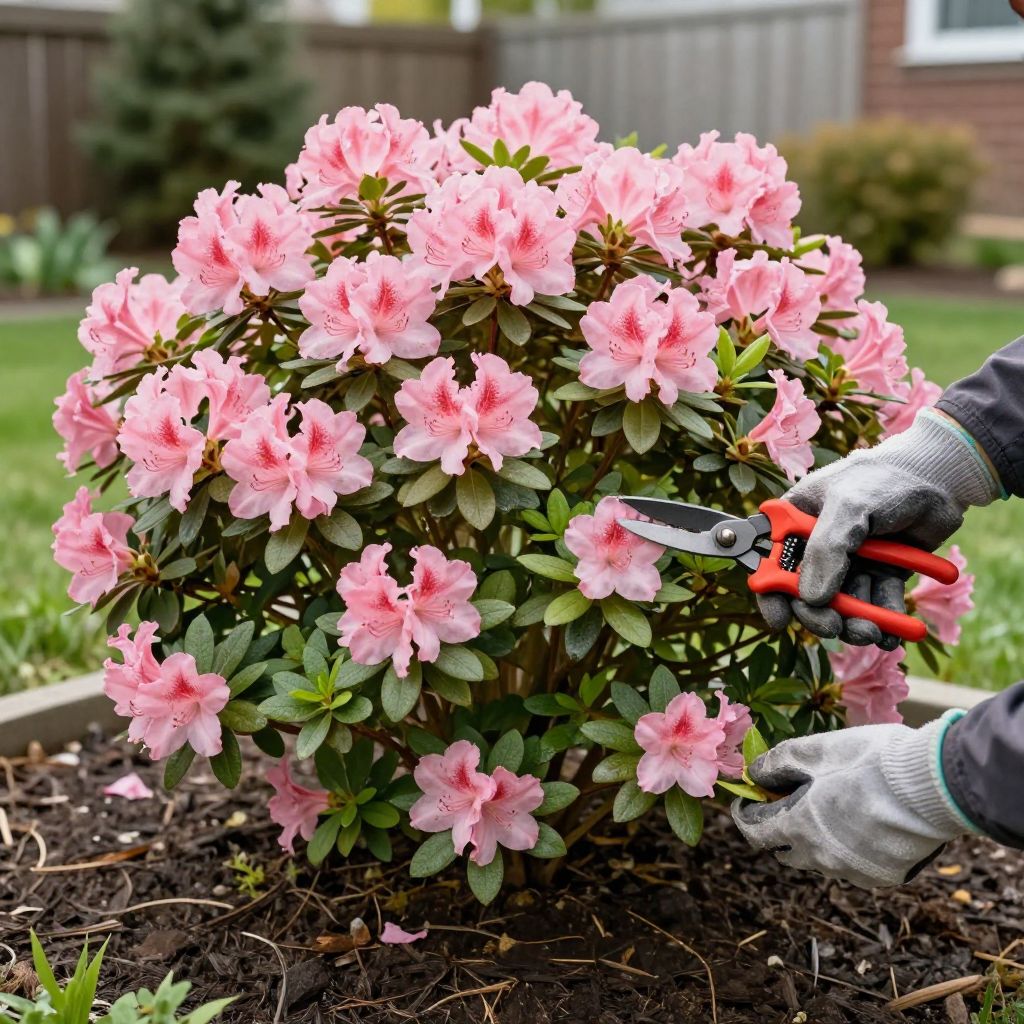
Wondering when to trim azalea bushes without sacrificing next spring’s flowers? The short answer is to prune azaleas right after they finish blooming, while the plant still has time to set next year’s buds. If you trim too late in summer or fall, you may remove flower buds and reduce the bloom display.
Azaleas are forgiving shrubs, but timing matters. With the right pruning window and a light hand, you can shape the plant, remove dead wood, and encourage fuller growth without ruining the bloom cycle.
When To Trim Azalea Bushes?
The best time to trim azalea bushes is immediately after flowering, usually in late spring or early summer depending on your climate and variety. Prune soon after the blooms fade so the shrub has time to produce new growth and next year’s flower buds before autumn.
Why Timing Matters for Azaleas
Azaleas typically set their flower buds on old wood during the growing season after bloom. That means if you prune in late summer, fall, or winter, you may be cutting off next year’s flowers.
Light pruning after bloom helps you keep the plant compact and healthy without interrupting the flowering cycle. Heavy pruning is possible, but it should still be done right after bloom for the best recovery.
Best pruning window by season
- Right after flowering: Best time for most shaping and size control.
- Late spring to early summer: Good in many regions, as long as you prune soon after bloom.
- Late summer or fall: Avoid unless you are only removing dead, damaged, or diseased wood.
- Winter: Not ideal for shaping because you can remove flower buds and expose tender cuts to stress.
How to Tell If Your Azalea Is Ready for Pruning
Look for faded flowers and the end of the main bloom flush. Once the petals drop, you can trim the shrub. If you wait until new buds are forming deeper in the season, keep pruning very minimal.
Some azaleas bloom in a single flush, while others may have a lighter second flush. If your shrub is still actively flowering, wait until that display is over.
Good signs it’s time
- The flowers have faded and dropped.
- New leafy growth has not yet hardened off for the season.
- You can clearly see stems that need shaping, thinning, or deadheading.
How Much Should You Trim Azaleas?
For most home gardens, azaleas need only light to moderate pruning. Remove spent blooms, shorten overly long shoots, and thin out a few crowded stems. Avoid shearing them into a tight formal shape unless that matches your landscape style and you’re prepared for less natural flowering.
Rule of thumb: never remove more than about one-third of the shrub in a single pruning session unless you are rejuvenating an old, overgrown plant.
Types of pruning you may need
- Deadheading: Snipping off faded flower clusters.
- Shaping: Lightly shortening long stems to keep a balanced form.
- Thinning: Removing a few stems at the base to improve airflow and light.
- Rejuvenation pruning: Cutting back an old shrub over time to restore vigor.
Step-by-Step: How to Trim Azalea Bushes
Use clean, sharp hand pruners for most azaleas. For larger shrubs, loppers can help with thicker stems. Clean tools before and after pruning, especially if you are removing diseased wood.
- Inspect the shrub. Look for dead, broken, crossing, or diseased stems.
- Remove spent flowers. Snip just above the first set of healthy leaves if you are deadheading.
- Cut back long shoots. Trim to a side branch or leaf node to keep a natural shape.
- Thin crowded growth. Remove a few stems from the base to open the center slightly.
- Step back and check balance. Prune lightly and evenly so the shrub still looks natural.
Where to make the cut
Make cuts just above a leaf node or side branch. Avoid leaving long stubs, which can look untidy and may die back. If you’re removing a whole stem, cut it back to its point of origin.
When You Should Not Prune Azaleas
There are a few times when trimming is best avoided. The goal is to protect the next bloom cycle and reduce stress on the shrub.
- During bud formation: Late summer into fall is usually too late for shaping cuts.
- During drought stress: Wait until the plant is better hydrated and less stressed.
- Right before a hard freeze: Fresh cuts can be more vulnerable in cold weather.
- When the shrub is weak or diseased: First address the underlying problem before heavy pruning.
How to Prune Overgrown Azaleas
If your azalea has become too large, don’t try to fix everything in one day. A hard cutback can shock the plant and reduce flowering for a season or two. Instead, rejuvenate it gradually.
Safer rejuvenation approach
- Remove dead, damaged, and crossing branches first.
- Cut back a few of the oldest stems to ground level.
- Repeat the process over 2 to 3 years if needed.
- Keep the shrub watered during dry spells so it can recover.
This slower method preserves more foliage, which helps the plant rebuild energy. It is especially useful for older azaleas that have become leggy or shaded out.
Common Pruning Mistakes to Avoid
Azaleas are easy to damage with the wrong pruning style. A few simple mistakes can cost you flowers for a whole season.
- Pruning too late: This is the most common reason azaleas fail to bloom well.
- Shearing repeatedly: This can create a dense outer shell and poor flowering inside the shrub.
- Cutting too hard at once: Heavy pruning can stress the plant and leave it sparse.
- Ignoring dead wood: Dead stems should be removed whenever you notice them.
- Using dull tools: Ragged cuts heal more slowly and look messy.
Aftercare Following Pruning
After trimming, give your azalea steady care so it can recover and set new growth. A healthy shrub will respond best to pruning when its growing conditions are already good.
Helpful aftercare steps
- Water deeply if the soil is dry, especially during warm weather.
- Refresh mulch around the root zone, but keep it a few inches away from the stems.
- Do not overfertilize immediately after pruning unless your soil genuinely needs it.
- Watch for new shoots, leaf yellowing, or dieback over the next few weeks.
Azaleas prefer well-drained, acidic soil and consistent moisture. If the plant is struggling because of poor drainage, too much sun, or compacted soil, pruning alone will not solve the problem.
Growing Conditions That Affect Pruning Success
Healthy azaleas are easier to prune and shape. Their overall performance depends on the site as much as the trimming schedule.
Keep these basics in mind
- Sunlight: Many azaleas do best with morning sun and afternoon shade, though some tolerate more light in cooler climates.
- Soil: Rich, acidic, well-drained soil supports stronger growth and better flowering.
- Watering: Keep soil evenly moist, especially after pruning and during dry weather.
- Mulch: Helps conserve moisture and protect shallow roots.
If your azalea is planted in heavy clay or a very dry site, prune lightly and focus on improving conditions around the root zone. Stress reduction often improves bloom more than aggressive trimming.
Pests and Diseases to Watch For When Pruning
Pruning is a good time to inspect the shrub for issues. Early detection can prevent spread and help you decide whether to remove only a few branches or more extensive growth.
- Dieback: Remove affected stems back to healthy tissue.
- Leaf spots or mildew: Improve airflow and remove badly affected material.
- Insect damage: Check for distorted leaves or weakened shoots.
If you suspect disease, disinfect your pruning tools between cuts and dispose of infected debris rather than composting it unless you know your compost gets hot enough to break it down safely.
Can You Trim Azaleas After They Bloom Every Year?
Yes. In fact, light annual pruning after bloom is often the best way to maintain shape and flowering. You do not need to prune every year if the shrub is naturally compact, but a quick cleanup after bloom can keep it healthy and attractive.
For mature shrubs, think of pruning as maintenance rather than a major event. Small, regular cuts are usually better than infrequent heavy pruning.
Conclusion: The Best Time Is Right After Bloom
If you remember one thing about when to trim azalea bushes, make it this: prune right after flowering. That timing gives the shrub the longest window to grow new shoots and set next year’s buds. Keep cuts light, use sharp tools, and avoid late-season pruning.
For more shrub care help, you may also want to read about how to mulch azaleas properly and choosing the best location for flowering shrubs in your landscape.