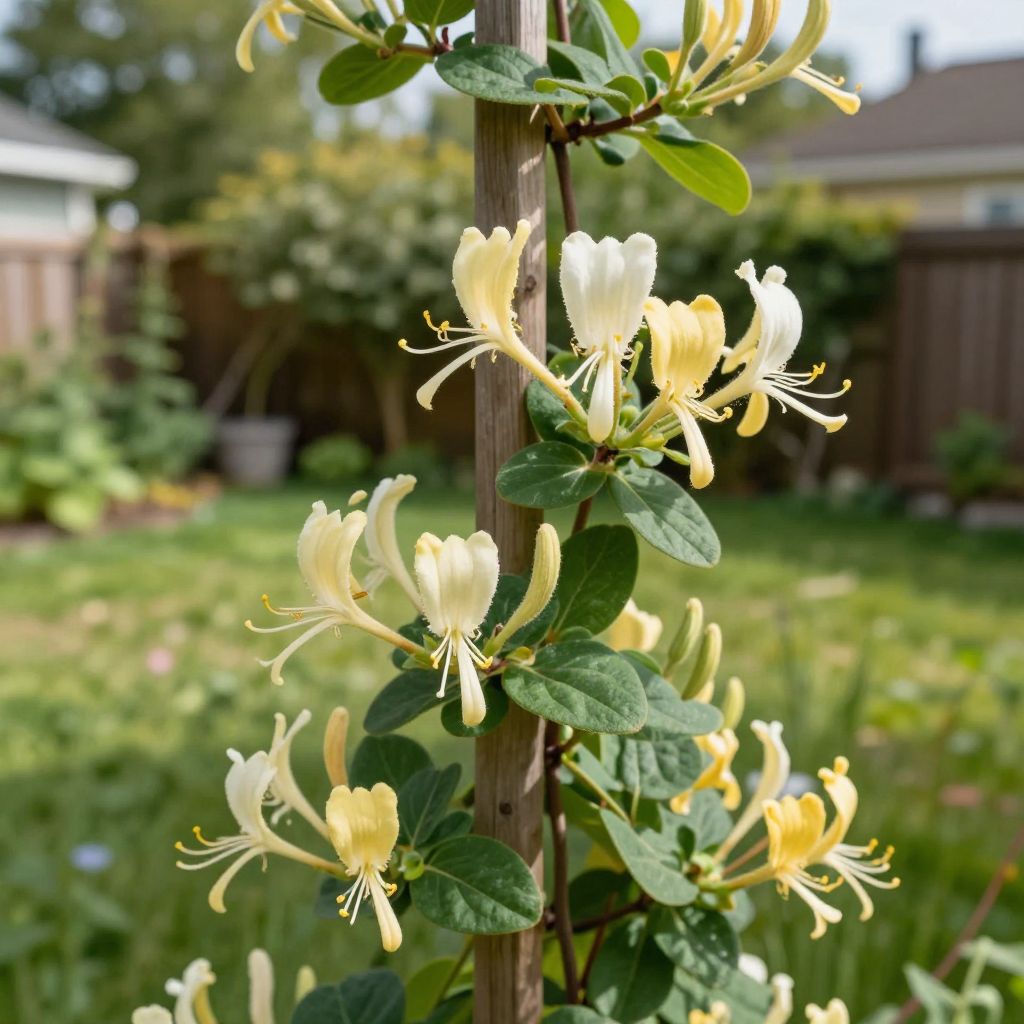
Wondering when does honeysuckle bloom in your garden? The short answer is that most honeysuckles flower from late spring into summer, though the exact timing depends on the species, your climate, sunlight, and how well the plant is established.
Some types bloom again lightly later in the season, and a few can flower earlier or later than expected in mild regions. If your plant is healthy but not blooming, the issue is usually light, pruning timing, or too much nitrogen rather than a lack of age alone.
When does honeysuckle bloom?
Honeysuckle usually blooms from late spring through summer, with peak flowering often in early to mid-summer. Climbing types and shrubs may bloom for several weeks, and repeat bloom can happen in warm climates or after light pruning. Exact timing varies by species, local weather, and how much sun the plant receives.
What affects bloom time?
Several growing conditions influence when honeysuckle starts flowering and how long it keeps going. If you want reliable blooms, focus on the plant’s location and overall vigor first.
Sunlight
Most honeysuckles bloom best in full sun to partial shade. In too much shade, plants often produce long stems and lots of leaves but very few flowers.
Climate and region
In cooler areas, bloom time may start later and finish sooner. In warmer climates, some honeysuckles begin earlier in spring and may flower in waves through the season.
Plant age and establishment
Newly planted honeysuckle may spend its first season settling in. A young plant can bloom lightly, but stronger flowering often comes after it has developed a better root system.
Pruning timing
Pruning at the wrong time can remove flower buds. For spring-blooming honeysuckles, heavy pruning just before bloom can reduce or delay flowers. Light shaping after flowering is usually safer.
How to tell whether your honeysuckle is on schedule
If your honeysuckle has healthy growth but no buds, compare it with the season in your area rather than a calendar date alone. A plant in a cool spring may bloom weeks later than one in a warm, sheltered garden.
- Buds forming usually means bloom is close.
- Lots of leafy growth with no buds often points to too much shade or too much fertilizer.
- Early yellowing or weak stems can signal poor drainage, drought stress, or root problems.
- One-time bloom only is common for some species, while others may rebloom lightly.
Best growing conditions for better flowering
Honeysuckle is fairly adaptable, but flowering is best when the plant has the right balance of sun, moisture, and soil structure. Good conditions help the plant put energy into buds instead of only leafy growth.
Soil and drainage
Plant honeysuckle in soil that drains well but still holds some moisture. Heavy, waterlogged soil can weaken roots and reduce flowering. If your soil is compacted, work in compost to improve structure before planting.
Watering
Water regularly during the first growing season so the root system can establish. After that, many honeysuckles tolerate short dry spells, but prolonged drought can shorten bloom time and reduce flower size. Water deeply rather than giving frequent shallow sprinkles.
Mulch
A 2- to 3-inch layer of organic mulch helps conserve moisture and keep roots cooler. Keep mulch a few inches away from the stems to avoid rot.
Feeding
Too much nitrogen can push lush foliage at the expense of flowers. If your soil is already reasonably fertile, a light top-dressing of compost in spring is often enough. Avoid overfeeding with lawn fertilizer nearby.
Planting honeysuckle for the best bloom
If you are planting a new vine or shrub, give it the right start so it can bloom on schedule in future seasons. The planting site matters as much as the variety.
- Choose a site with morning sun and at least a few hours of direct light.
- Prepare soil that drains well and is not constantly soggy.
- Dig a hole as deep as the root ball and about twice as wide.
- Set the plant at the same depth it was growing in the pot.
- Backfill with native soil mixed with compost if needed.
- Water thoroughly after planting and mulch lightly.
If you are growing a climbing honeysuckle, also plan for support early. A trellis, fence, or arbor helps the plant grow upright and receive better light, which can improve flowering.
Pruning honeysuckle without losing flowers
Pruning is one of the most common reasons honeysuckle fails to bloom on time. The key is to prune according to when your plant flowers, not just when it looks overgrown.
For spring-blooming honeysuckle
Prune lightly right after flowering. This gives the plant time to set next year’s flower buds. Remove dead stems, crossing branches, and overly long growth that crowds the plant.
For summer-blooming honeysuckle
Prune in late winter or very early spring if needed, before active growth begins. Avoid cutting hard just as buds are forming.
What to remove
- Dead, damaged, or diseased stems
- Weak growth near the base
- Overcrowded stems that block air and light
- Old, woody growth if the plant has become sparse
Tip: If you are unsure when your honeysuckle blooms, prune only a little until you can observe its flowering pattern for one full season.
Common reasons honeysuckle does not bloom
When honeysuckle refuses to flower, the cause is usually cultural rather than mysterious. A few targeted adjustments often make a big difference the next season.
Too much shade
Less sunlight means fewer buds. If possible, move container plants to a brighter spot or thin nearby shrubs and branches that block light.
Excess fertilizer
High-nitrogen feeding encourages leaves instead of flowers. Cut back on fertilizer and let the plant recover naturally.
Improper pruning
Hard pruning at the wrong time can remove flower buds. Adjust your pruning schedule to match the type of honeysuckle you grow.
Stress from drought or poor drainage
Both dry, stressed roots and waterlogged soil can reduce flowering. Aim for evenly moist, well-drained soil.
Newly planted or recently moved plants
Transplant shock can delay bloom for a season. Keep the plant watered and avoid heavy pruning while it re-establishes.
Pests and diseases that can affect blooming
Healthy foliage supports better flowering, so keep an eye out for problems that weaken the plant. Most issues are manageable if caught early.
Aphids
Aphids can cluster on tender growth and distort new shoots. A strong spray of water may knock them off, and regular monitoring helps prevent buildup.
Powdery mildew
This fungal issue can appear as a white coating on leaves, especially in humid conditions with poor air circulation. Space plants well and prune lightly to improve airflow.
Leaf spot and general decline
Spotted or dropping leaves can signal stress. Remove badly affected foliage and avoid overhead watering late in the day if disease is recurring.
If a plant is badly stressed by pests or disease, it may still survive but bloom poorly that season. Restoring vigor is the priority before expecting heavy flowering.
Can you encourage more blooms?
Yes, but the goal is to support the plant rather than force it. A few steady habits usually work better than quick fixes.
- Give the plant more light if it is shaded out.
- Water deeply during dry spells.
- Mulch to stabilize soil moisture.
- Avoid overfertilizing.
- Prune at the right time for your type of honeysuckle.
- Watch for pests and remove damaged growth promptly.
For container-grown honeysuckle, make sure the pot is large enough and has drainage holes. Roots that stay crowded or soggy can limit flowering.
Growing honeysuckle on a trellis, fence, or arbor
Climbing honeysuckle often blooms best when it can spread into good light. Training the vine early helps you shape it without sacrificing flowers.
Training tips
- Gently tie stems to support as they grow.
- Spread stems outward rather than letting them tangle tightly.
- Remove weak or awkward shoots that crowd the center.
- Keep the base mulched and clear of weeds.
A well-trained vine is easier to inspect for buds, pests, and dead wood. It also tends to flower more evenly than a tangled, shaded mass.
What to expect from repeat bloom
Some honeysuckles bloom once heavily, while others may flower again lightly later in the season. Repeat bloom is more likely when the plant is healthy, gets enough sun, and is not stressed by drought or hard pruning.
Do not assume a second flush will happen every year. Weather, pruning, and plant maturity all influence whether the plant gives you one main bloom period or a longer flowering season.
Conclusion
So, when does honeysuckle bloom? In most gardens, expect flowers from late spring into summer, with timing shaped by species, climate, and growing conditions. If your plant is not blooming well, check sunlight, pruning, watering, and soil drainage first.
For more help with vine care and seasonal pruning, you may also want to read related guides on pruning flowering vines and choosing the best climbing plants for your garden.