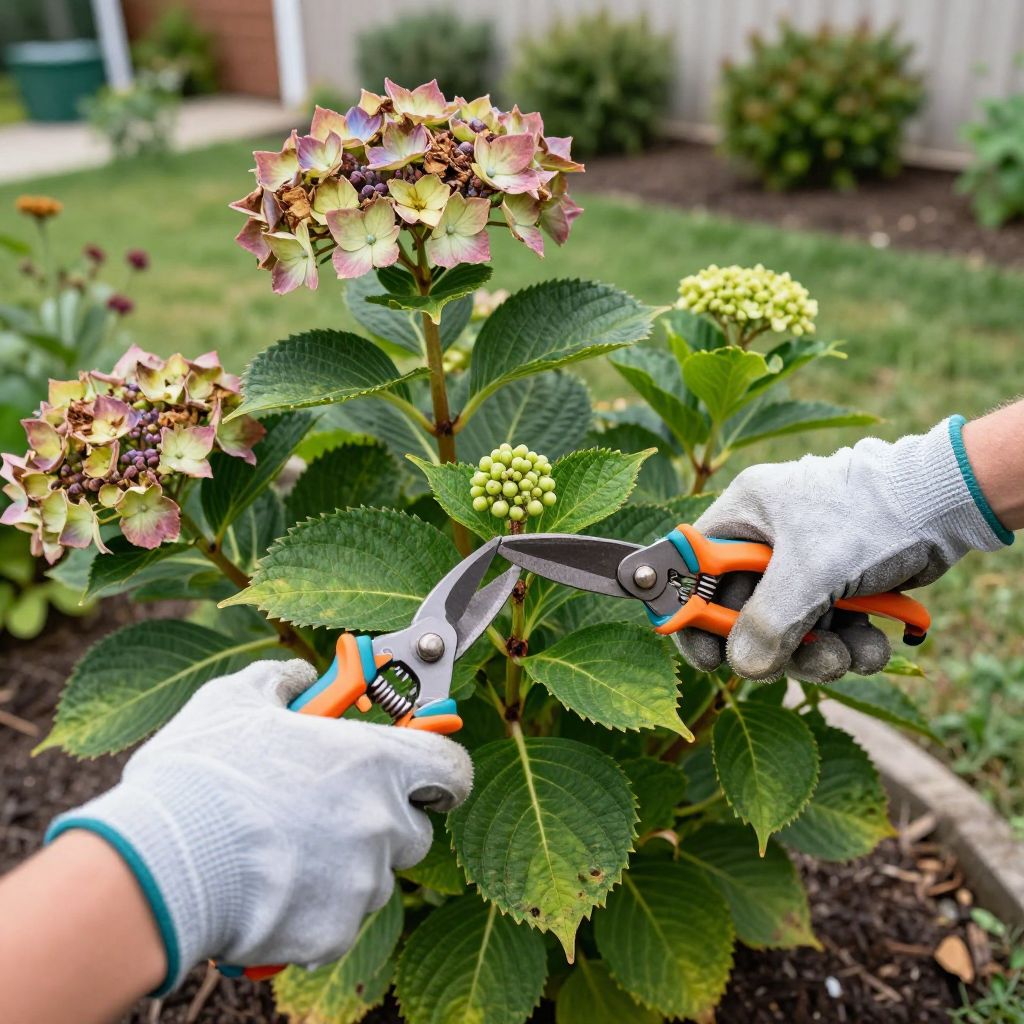
Wondering when to cut hydrangeas without ruining next year’s blooms? The right timing depends on the type of hydrangea you grow and whether you mean cutting flowers for a vase or pruning the shrub. Get the timing wrong, and you can remove the buds that would have flowered.
The good news is that most hydrangeas are easy to manage once you know which stems bloom on old wood and which bloom on new wood. A few simple checks can help you cut flowers for arrangements, prune safely, and keep the plant healthy.
When To Cut Hydrangeas?
Cut hydrangeas after you identify the type: old-wood bloomers are usually pruned right after flowering, while new-wood bloomers can be cut back in late winter or early spring before growth starts. For cut flowers, harvest in the cool part of the day when blooms are partly open and stems are firm.
First: Know What Kind of Hydrangea You Have
Before you cut anything, figure out whether your hydrangea blooms on old wood, new wood, or both. This matters more than the calendar, because the plant’s flowering habit determines when buds are formed.
Common bloom types
- Bigleaf hydrangea (Hydrangea macrophylla) often blooms on old wood, though some newer varieties rebloom on both old and new growth.
- Mountain hydrangea (Hydrangea serrata) usually blooms on old wood.
- Oakleaf hydrangea (Hydrangea quercifolia) blooms on old wood.
- Panicle hydrangea (Hydrangea paniculata) blooms on new wood.
- Smooth hydrangea (Hydrangea arborescens) blooms on new wood.
If you are unsure, watch the plant through one season. Hydrangeas that set flower buds on the previous year’s growth need gentler pruning than those that flower on current-season stems.
Best Time To Cut Hydrangeas for Flowers
For bouquets, cut hydrangea blooms when the flower heads are mature but not fully exhausted. The best stage is usually when the petals feel papery or the bloom is fully open but still fresh, with sturdy stems and no browning edges.
How to harvest cut hydrangeas
- Cut early in the morning or in the evening when the plant is less stressed.
- Choose stems with healthy leaves and firm flower heads.
- Use clean, sharp pruners and cut just above a leaf node or pair of leaves.
- Place stems immediately into cool water.
- Strip any leaves that would sit below the water line in a vase.
If you want blooms that last well indoors, avoid cutting during extreme heat or drought. Hydrangea stems can wilt quickly if the plant is stressed, so a well-watered shrub usually gives better vase life.
When to cut blooms for drying
For dried arrangements, many gardeners wait until the flowers have matured and begun to feel slightly papery. Some blooms dry best when they are past peak color but not fully brown. The exact timing varies by variety and climate.
After cutting, hang stems upside down or place them in a vase with little water and let them dry naturally. Keep them out of direct sun to help preserve color.
When To Prune Hydrangeas Without Losing Blooms
Pruning is different from cutting flowers. If your hydrangea blooms on old wood, prune immediately after flowering so the plant has time to make next year’s buds. If it blooms on new wood, prune in late winter or early spring before new growth begins.
Old-wood bloomers: prune right after flowering
Bigleaf, mountain, and oakleaf hydrangeas often form flower buds on stems from the previous season. If you prune them in late fall, winter, or early spring, you may remove those buds and get few or no flowers.
For these types, limit pruning to:
- Removing dead, broken, or diseased stems
- Cutting spent flower heads if needed
- Light shaping after the plant finishes blooming
New-wood bloomers: prune in late winter or early spring
Panicle and smooth hydrangeas flower on the current season’s growth, so you can cut them back before growth starts. This is the best time to shape the shrub, reduce size, and encourage strong new stems.
Even then, avoid overcutting. A hard prune can be useful for some plants, but a moderate, thoughtful cut usually gives a better-looking shrub and sturdier stems.
Seasonal Timing Guide
Hydrangea timing changes with the season, your climate, and the plant’s bloom habit. Use the season as a guide, but let the plant itself make the final decision.
Spring
Spring is the safest pruning window for new-wood bloomers. Wait until the danger of severe cold is mostly past in your area, then remove winter-damaged stems and shape the shrub.
For old-wood bloomers, spring is usually not the time for major pruning. You can still remove dead tips or stems that clearly failed over winter, but avoid cutting healthy wood unless necessary.
Summer
Summer is often the best time to cut flowers for vases or to lightly tidy old-wood hydrangeas after bloom. If you need to deadhead, snip just below the spent flower cluster and above the first strong pair of leaves.
In very hot weather, avoid heavy pruning. The plant may already be using energy to support blooms and new growth.
Fall
Fall is a tricky time to prune. In colder climates, late pruning can stimulate tender new growth that may be damaged by frost. It can also reduce winter interest, especially on varieties with attractive dried flower heads.
If you garden in a mild climate, you may have more flexibility, but it is still wise to avoid major cuts unless you are removing damaged or diseased stems.
Winter
Winter is generally the wrong time to prune old-wood bloomers because flower buds may already be present on the stems. For new-wood bloomers, late winter can be a good time to prune once the worst cold has passed.
In snowy or windy areas, however, you may want to leave some stems standing until late winter to protect the crown and preserve structure.
How Much Should You Cut?
Hydrangeas usually do best with a light hand. The amount you cut depends on the plant’s age, health, and bloom type.
- Light pruning: remove spent blooms, dead stems, and crossing branches.
- Moderate pruning: shorten stems to control size, especially on new-wood bloomers.
- Hard pruning: only for types that tolerate it well, and usually best done at the right season.
If the shrub is overgrown, spread the work over two seasons rather than removing too much at once. That reduces stress and helps preserve flowering.
Tools and Cutting Technique
Clean tools make cleaner cuts and reduce the chance of spreading disease. A sharp pair of bypass pruners is usually enough for most hydrangea stems.
Best tools to use
- Bypass pruners for stems up to about pencil thickness
- Loppers for thicker, older stems
- Gloves if the stems are woody or you are cutting a large shrub
Make each cut just above a healthy bud or leaf node. Angle the cut slightly so water does not sit on the stem end. If a stem is dead, scratch the bark lightly first to check whether there is green tissue underneath before removing it.
Common Mistakes To Avoid
Most hydrangea problems after pruning come from cutting at the wrong time or cutting too much. A few simple mistakes are especially common.
- Pruning old-wood hydrangeas in late winter and removing flower buds.
- Cutting back all stems to the same height without checking bloom type.
- Removing too much foliage during hot, dry weather.
- Leaving dead or diseased wood in place for too long.
- Using dirty or dull tools that crush stems instead of making clean cuts.
If your hydrangea stopped blooming after a prune, the most likely cause is that the flower buds were cut off. In that case, focus on healthy growth this season and adjust the timing next year.
Watering, Soil, and Plant Health After Cutting
Hydrangeas recover best when they are growing in moist, well-drained soil. After pruning or harvesting flowers, keep the root zone evenly moist, especially during dry spells.
Good soil matters too. A layer of compost worked into the planting area can improve structure and help the plant hold moisture without becoming waterlogged. Avoid heavy, soggy soil, which can stress roots and increase disease risk.
Signs your hydrangea needs attention
- Wilting leaves even when soil is damp
- Brown, crispy leaf edges after heat or drought
- Few blooms due to improper pruning or too much shade
- Blackened or mushy stems from winter damage or rot
If stems die back after a hard winter, wait until new growth appears before removing more than is clearly dead. Sometimes the plant looks worse than it is and will resprout from lower buds.
Pests and Diseases That Affect Pruning Decisions
Most hydrangeas are fairly trouble-free, but damaged stems should be removed promptly. Pruning is one of the easiest ways to limit the spread of disease.
Watch for powdery mildew, leaf spots, cankers, and insect damage such as aphids or scale. If a stem looks infected or shriveled, cut it well below the affected area and discard the debris rather than composting it if disease is severe.
Keep the plant open enough for air movement, but do not over-prune just to “air it out.” Good spacing, proper watering, and the right light are usually more effective than aggressive cutting.
Propagation and Rejuvenation
If you want more hydrangeas, some softwood or stem cuttings can be taken from healthy growth during the growing season, depending on the type. Use only vigorous, disease-free stems and follow the needs of the specific hydrangea variety.
For an old, crowded shrub, rejuvenation pruning may be needed over time. The safest approach is gradual: remove a few of the oldest stems at the base each year rather than cutting the whole plant down at once, unless you know the species tolerates harder renewal pruning.
Quick Answer by Hydrangea Type
- Bigleaf hydrangea: cut flowers anytime in bloom; prune lightly right after flowering.
- Mountain hydrangea: prune lightly after bloom; avoid winter pruning.
- Oakleaf hydrangea: prune after flowering only, and keep cuts minimal.
- Panicle hydrangea: prune in late winter or early spring.
- Smooth hydrangea: prune in late winter or early spring.
Final Takeaway
When to cut hydrangeas comes down to one rule: match the timing to the bloom type. Cut flowers when they are fresh and mature, prune old-wood types right after flowering, and prune new-wood types in late winter or early spring. If you are unsure, start with light cuts only.
For more seasonal plant care, you may also find it helpful to read related guides on how to prune flowering shrubs and choosing the right hydrangea for your garden.