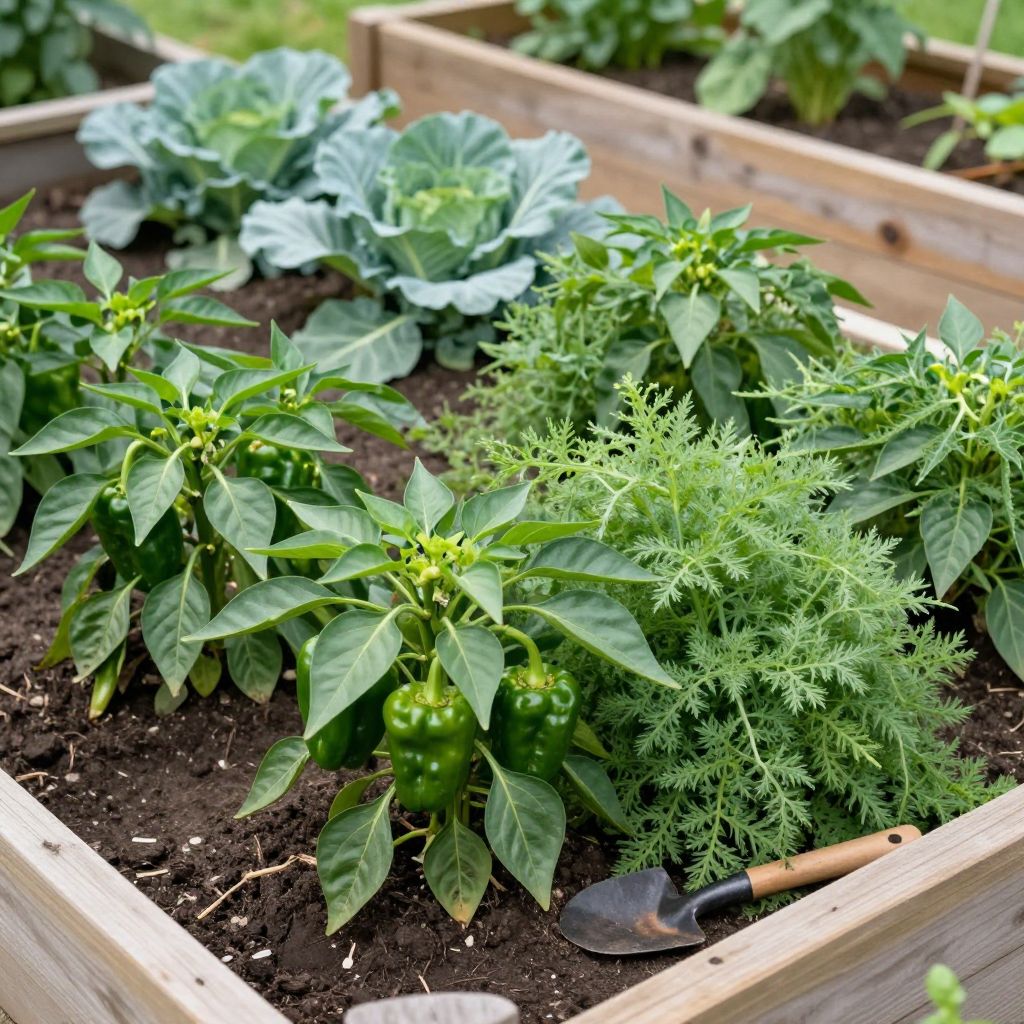
If you’re wondering what not to plant with peppers, the short answer is: avoid neighbors that compete heavily for nutrients, spread the same diseases, or attract the same pests. Peppers can grow well with the right companions, but poor pairings can reduce airflow, increase stress, and make harvests smaller.
The best planting plan for peppers starts with spacing, sunlight, and soil health. Once those basics are right, you can avoid the most troublesome companion plants and give peppers a much better chance to thrive.
What not to plant with peppers?
Avoid planting peppers too close to other heavy feeders, tall shade-casting crops, and plants that share common pests or diseases. The biggest problems come from overcrowding, poor airflow, and competition for water and nutrients. Keep peppers away from aggressive root crops, dense brassicas, and other nightshades when disease pressure is high.
Why certain plants are poor companions for peppers
Peppers need warmth, steady moisture, and full sun. When nearby plants steal light, crowd the canopy, or drain the soil, peppers often grow slowly and produce fewer fruits.
Companion planting is less about magic pairings and more about matching plant habits. A good neighbor stays low, leaves room for airflow, and does not share the same major pest or disease problems.
The main reasons to avoid bad companions
- Competition: Large or hungry plants can reduce pepper growth.
- Shade: Peppers need direct sun, especially during flowering and fruiting.
- Shared pests: Some crops attract aphids, flea beetles, or hornworms that can move between plants.
- Shared diseases: Several vegetables can carry verticillium wilt, bacterial spot, or other soilborne issues.
- Poor airflow: Dense plantings hold moisture and invite fungal problems.
Plants to avoid near peppers
1. Brassicas like cabbage, broccoli, and cauliflower
Brassicas are not always disastrous neighbors, but they are often poor choices right next to peppers in a small garden. They grow large, can shade peppers, and tend to want cooler conditions than peppers prefer.
If your space is limited, keep brassicas in a separate bed or at least far enough away that peppers still get full sun and air circulation. This matters most in warm-season gardens where peppers need every bit of heat they can get.
2. Fennel
Fennel is one of the least cooperative garden companions. It can suppress the growth of many nearby plants, so it is best grown in its own area or container.
If you want fennel for culinary use, place it away from your pepper bed and give it its own space. Do not tuck it between pepper plants or along the same crowded row.
3. Potatoes
Potatoes and peppers are both nightshades, which means they can share some disease and pest problems. They are especially risky together in gardens where soilborne diseases have appeared before.
Potatoes also take up room underground and can make crop rotation harder. If blight or wilt has been an issue in your garden, keep potatoes and peppers in different beds and rotate them over several seasons.
4. Eggplants and tomatoes in disease-prone gardens
Tomatoes, eggplants, and peppers are all nightshades. They can be grown near one another in healthy gardens, but they are not ideal companions if your soil has a history of wilt, blight, or repeated pest outbreaks.
Because they share many of the same problems, planting them together can make it easier for pests and diseases to spread quickly. If you do grow them nearby, increase spacing and monitor closely for early signs of trouble.
5. Large, sprawling herbs or vegetables that crowd peppers
Any plant that sprawls aggressively can become a problem if it blocks sun or airflow. This includes some squash, melons, and sprawling herbs when they are allowed to run unchecked.
Peppers do better when their leaves dry quickly after rain or irrigation. Dense, tangled plantings keep humidity high and can lead to leaf spot and other fungal issues.
6. Very thirsty crops in the same small bed
Peppers like even moisture, but they do not enjoy being squeezed between crops with very different water needs. If you mix them with plants that demand frequent deep watering, the bed can become either too wet or too dry for peppers.
That uneven moisture can cause blossom drop, slow growth, or fruit problems. Group plants with similar watering needs together whenever possible.
What to watch for when peppers are planted too close to the wrong crops
If peppers are struggling, the cause is often visible in the planting pattern. Look for crowding, shade, or leaves that stay wet too long after watering or rain.
Common warning signs
- Plants look tall and weak instead of compact and sturdy.
- Flowers drop before setting fruit.
- Leaves yellow from stress or nutrient competition.
- Pests move quickly from one crop to another.
- Soil stays damp because nearby plants block airflow and evaporation.
If you notice these symptoms, do not assume peppers need more fertilizer right away. First check spacing, sunlight, and what is growing beside them.
Good spacing and layout for pepper beds
Peppers usually perform best in a sunny site with loose, well-drained soil and enough room for air to move between plants. Exact spacing depends on variety and growing method, but most home gardeners should avoid tight, overcrowded rows.
As a general rule, give each pepper enough space that mature leaves do not press hard against neighboring plants. In containers, use one pepper per pot unless the container is very large.
Simple layout tips
- Place peppers where they will receive full sun for most of the day.
- Keep taller crops on the north side of the bed if you are in the Northern Hemisphere, so they do not shade peppers.
- Leave walking space so you can inspect leaves and harvest fruit without crushing stems.
- Use mulch to conserve moisture, but keep it a little away from the stem.
- Rotate peppers away from other nightshades if disease has been a problem.
Better companion plants for peppers
Instead of focusing only on what not to plant with peppers, it helps to choose neighbors that stay modest in size and do not compete too aggressively. The best companions usually have shallow root systems, different growth habits, or pest-repelling benefits without overcrowding the bed.
Often better choices include
- Low-growing herbs such as basil or oregano, if they do not shade the peppers.
- Leafy greens that can be harvested before peppers reach full size.
- Onions and garlic in beds with good drainage and enough room.
- Flowers that attract beneficial insects without becoming invasive or bulky.
Even good companions need space. A helpful plant becomes a bad neighbor if it overgrows its area or blocks sunlight.
Soil, watering, and care when peppers have bad neighbors
If you cannot completely redesign the bed, you can still reduce stress on peppers with careful maintenance. Good soil structure, consistent watering, and regular inspection matter more when nearby plants are less than ideal.
Practical care steps
- Improve drainage: Work in compost if the soil is heavy, but do not make it soggy or overly rich.
- Water at the base: Avoid soaking leaves, especially in crowded plantings.
- Mulch lightly: Mulch helps stabilize moisture, but keep it off the stem to reduce rot.
- Prune carefully: Remove damaged or diseased leaves to improve airflow, but do not strip too much foliage.
- Scout often: Check for aphids, flea beetles, and leaf spots before they spread.
When peppers are under stress, small adjustments help. Thin overgrown neighbors, stake floppy plants, and remove weeds that compete for water and nutrients.
Can peppers grow near tomatoes or eggplants?
Yes, they can grow near each other in many gardens, but that does not always make them the best companions. Because they belong to the same plant family, they can share pests and diseases, especially in beds that are reused year after year.
If you grow them together, give each crop enough room, rotate beds regularly, and avoid planting them where disease has already shown up. In a healthy garden, the main challenge is usually crowding rather than direct incompatibility.
How to fix a pepper bed with poor companion choices
If you already planted peppers beside the wrong crops, do not panic. You can often improve conditions enough to save the season.
Quick correction plan
- Identify which nearby plants are causing shade, crowding, or competition.
- Remove weeds and trim back any plants that are spilling into pepper space.
- Reassess watering so the bed is evenly moist, not saturated.
- Check for insect damage and disease symptoms weekly.
- If possible, transplant crowded companions elsewhere while they are still small.
For container gardens, the fix may be even simpler: move the pot to a sunnier spot or separate the peppers into their own containers.
Common mistakes to avoid
- Planting peppers in a bed that is already crowded with large vegetables.
- Putting peppers in partial shade and expecting strong fruiting.
- Mixing peppers with crops that have very different water needs.
- Ignoring disease history and planting nightshades in the same spot every year.
- Letting companion plants sprawl over pepper foliage.
Conclusion
When deciding what not to plant with peppers, focus on three things: shade, competition, and shared disease pressure. Keep peppers away from aggressive, bulky, or disease-prone neighbors, and they will usually grow more steadily with better fruit set.
Before your next planting, walk your garden bed and ask one simple question: will this neighbor help peppers get more sun, air, and space, or take those things away? That quick check can prevent many common pepper-growing problems. For more practical vegetable-growing advice, you may also want to read related guidance on growing peppers in the vegetable garden and companion planting basics.