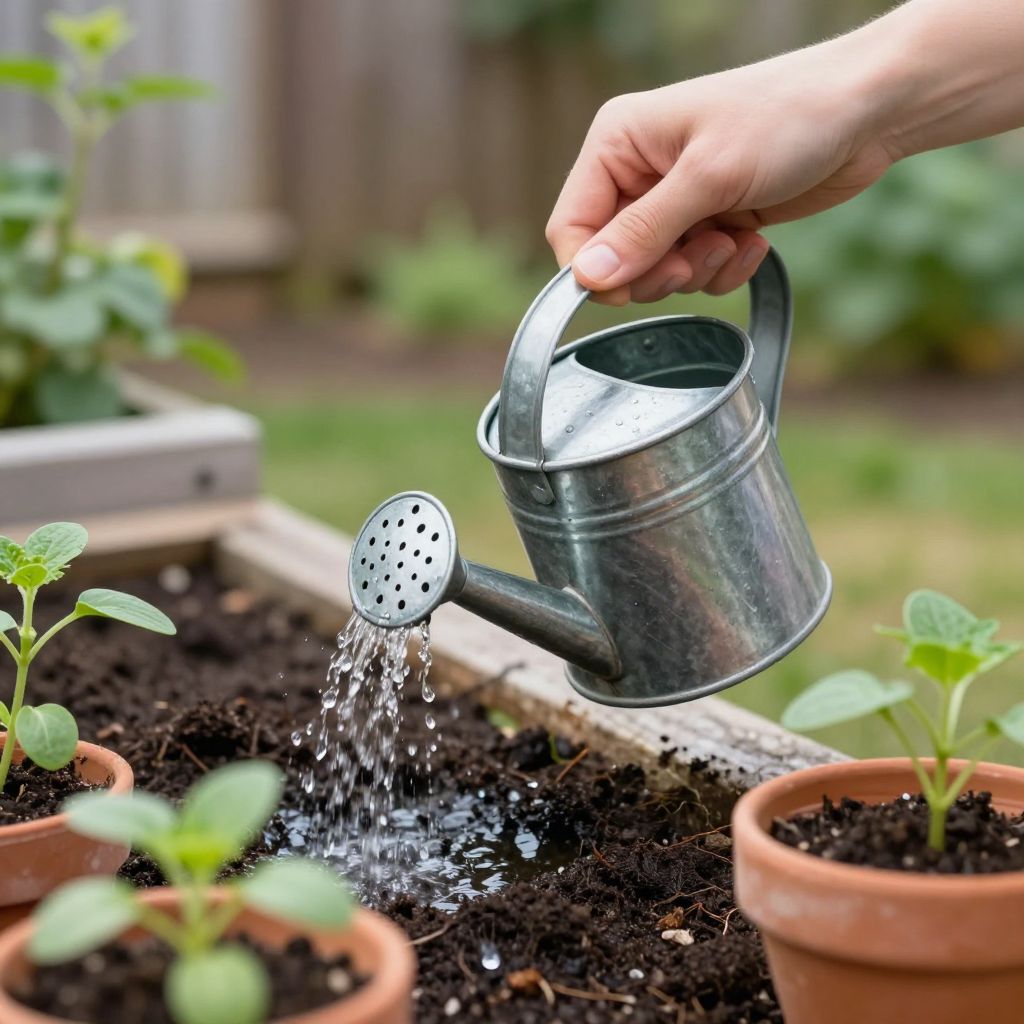
Trying to figure out whether a mini watering can is actually useful, or just a cute extra on the potting bench? For small houseplants, seedlings, herbs, and tight container spaces, the right mini watering can can make watering easier, cleaner, and more precise.
Used well, it helps you direct water to the soil instead of splashing leaves, stems, and floors. The key is choosing the right size, spout shape, and material for the plants you grow and the way you water.
What is a mini watering can used for?
A mini watering can is a small-capacity watering tool designed for precise watering of indoor plants, seedlings, herbs, and compact containers. It is especially useful when you need controlled flow, want to avoid overwatering, or need to reach crowded pots without spilling water everywhere.
Why choose a mini watering can instead of a full-size can?
A mini watering can gives you more control in small growing spaces. It is easier to lift, easier to aim, and less likely to dump too much water into one pot. For houseplants, propagation trays, and balcony containers, that precision often matters more than capacity.
Best situations for a mini watering can
- Watering small houseplants on shelves or windowsills
- Feeding seedlings in trays or plug cells
- Watering herbs in narrow pots or window boxes
- Moistening soil around newly potted plants
- Applying water gently to avoid disturbing mulch or top dressing
When a mini watering can is not enough
If you maintain many large pots, raised beds, or a greenhouse bench full of plants, a mini watering can may be too slow. In that case, keep it for delicate jobs and use a larger can, hose, or watering wand for bulk watering.
How do you choose the right mini watering can?
Look for a can that matches the plants you water most often. The best choice depends on capacity, spout design, balance, and material. A good mini watering can should feel comfortable in your hand when full and should pour in a steady, narrow stream without dribbling.
1. Pick a practical capacity
Mini watering cans are commonly small enough to handle easily, often holding around 0.5 to 2 liters. Smaller cans are lighter and better for shelves and seedlings, while slightly larger ones reduce refill trips for several pots.
2. Choose the right spout
- Long, narrow spout: Best for reaching into dense foliage and aiming at the soil line.
- Short spout: Good for quick watering of open pots and trays.
- Rose attachment: Useful for very gentle watering, especially on seedlings, but only if the flow is fine and even.
3. Consider the material
Plastic cans are light and affordable, which makes them practical for indoor use. Metal cans often feel sturdier and can be more stable, but they may be heavier when full. Choose a material that you can comfortably carry and pour with one hand.
4. Check the handle and balance
A well-balanced mini watering can should not tip forward when partially filled. A comfortable handle matters more than many gardeners expect, especially if you water several times a week.
How do you use a mini watering can correctly?
Water slowly and aim at the soil, not the leaves. Fill the can only as much as you can comfortably carry, then pour in a gentle stream until water begins to reach the root zone. Stop before the pot becomes waterlogged, and empty any runoff from saucers after watering.
Step-by-step watering method
- Check the soil first. Insert a finger about 2 to 5 cm into the potting mix, or use the weight of the pot as a guide.
- Fill the mini watering can with room-temperature water if possible.
- Pour slowly at the base of the plant, moving around the pot so water spreads evenly.
- Pause if water pools on the surface, then continue once it soaks in.
- Let excess water drain freely from the bottom.
- Empty saucers after 10 to 20 minutes unless the plant prefers consistently moist conditions.
How much water should you give?
There is no single amount that works for every plant. The right amount depends on pot size, soil mix, light, temperature, humidity, and plant type. As a general rule, water until the root ball is evenly moistened and a little water drains out, then adjust based on how quickly the soil dries.
What plants benefit most from a mini watering can?
Plants grown in small containers or shallow trays usually benefit most. A mini watering can helps you avoid the heavy splash that can compact soil, expose roots, or flatten seedlings. It is also useful for plants that dislike wet foliage or sudden soaking.
Good candidates include
- Seedlings and young transplants
- Herbs in small pots, such as basil, parsley, and chives
- Succulents and cacti, when watered carefully and infrequently
- African violets and other plants that prefer careful bottom-area watering
- Small foliage houseplants in decorative containers
Plants that need extra caution
Some plants are easily damaged by water sitting in crowns, leaf rosettes, or dense stems. For these, a mini watering can with a narrow spout is especially helpful, but you still need to water at the soil surface and avoid soaking the growing point.
What are the most common mini watering can mistakes?
The biggest mistakes are overfilling, pouring too fast, and watering on a fixed schedule instead of checking the soil. A mini watering can is a precision tool, but it still depends on your judgment. The potting mix, plant size, and season should guide how often you water.
Common problems and fixes
- Water spills over the rim: Pour more slowly and move the spout around the pot.
- Soil stays soggy: Improve drainage, reduce watering frequency, and make sure the pot has drainage holes.
- Leaves get wet often: Aim lower and use a longer spout for better control.
- Water runs straight through: The mix may be too dry or too coarse; water in two passes so the soil can absorb moisture.
- Seedlings flatten or wash out: Switch to a rose attachment or water from the side of the tray.
How should soil, drainage, and pot choice affect watering?
Even the best mini watering can cannot fix poor drainage. If your potting mix holds too much water or your container lacks drainage holes, plants may suffer from root rot. Good watering starts with a free-draining mix and a pot that lets excess water escape.
What to look for in potting mix
For most containers, use a quality potting mix rather than garden soil. Potting mix is lighter and drains better, which helps roots get both moisture and air. For succulents and cacti, use a grittier mix that dries faster.
Drainage basics
- Use containers with drainage holes whenever possible.
- Place pots on saucers, trays, or stands to protect surfaces.
- Do not let pots sit in standing water for long periods unless the plant specifically prefers it.
How does season and climate change watering needs?
Plants use water differently through the year. In warm, bright weather they usually dry faster, while in cool or low-light conditions they need less frequent watering. Indoor plants also change with heating, air conditioning, and humidity, so always check the soil rather than relying on a calendar.
Indoor watering considerations
Indoor containers often dry unevenly. A mini watering can helps you target the root zone without overwatering the whole pot, which is useful for plants near windows, radiators, or vents.
Outdoor container considerations
Outdoor pots may need more frequent watering in wind, sun, and heat. On rainy or cool days, they may need little or none. A mini watering can is still useful for balconies, porches, and grouped pots where a hose would be too forceful.
How do you clean and maintain a mini watering can?
Keep the can clean so it does not harbor algae, mineral buildup, or debris that can block the spout. Rinse it regularly, especially if you use fertilizer in water or collect rainwater that contains fine particles.
Simple maintenance routine
- Empty the can after use instead of leaving water standing inside.
- Rinse occasionally with clean water.
- Check the rose or spout for blockages.
- Store it out of direct sun if it is made of plastic, to reduce brittleness over time.
Can a mini watering can help with plant health problems?
Yes, indirectly. Better watering habits reduce stress, and stressed plants are more vulnerable to pests and diseases. A mini watering can supports careful watering around the base of the plant, which can help limit leaf wetness and reduce the chance of fungal issues in some situations.
Signs your watering routine needs adjustment
- Yellowing leaves and consistently wet soil may suggest overwatering.
- Wilting with dry, crumbly soil usually means the plant needs a deeper soak.
- Brown leaf edges can come from irregular watering or very dry indoor air.
- Algae on the soil surface often means the mix stays too wet or light levels are low.
Practical tips for getting the most from a mini watering can
Use the tool as part of a broader watering routine, not as a substitute for observation. Check each plant individually, especially if you grow different species in the same room or patio area. Small differences in pot size and exposure can change how quickly the soil dries.
Helpful habits
- Water in the morning when possible so excess moisture can evaporate during the day.
- Group plants with similar water needs together.
- Use a finger test, moisture meter, or pot-weight check before watering.
- Keep the spout low and steady for better control.
- Adjust your routine after repotting, pruning, or moving plants to brighter light.
Conclusion
A mini watering can is a small tool that can make a big difference in precision, cleanliness, and plant care. Choose one that feels balanced, pour slowly at the soil line, and let the plant’s pot, mix, and environment guide how often you water. If you want to improve your routine further, look into container drainage and potting mix basics next.