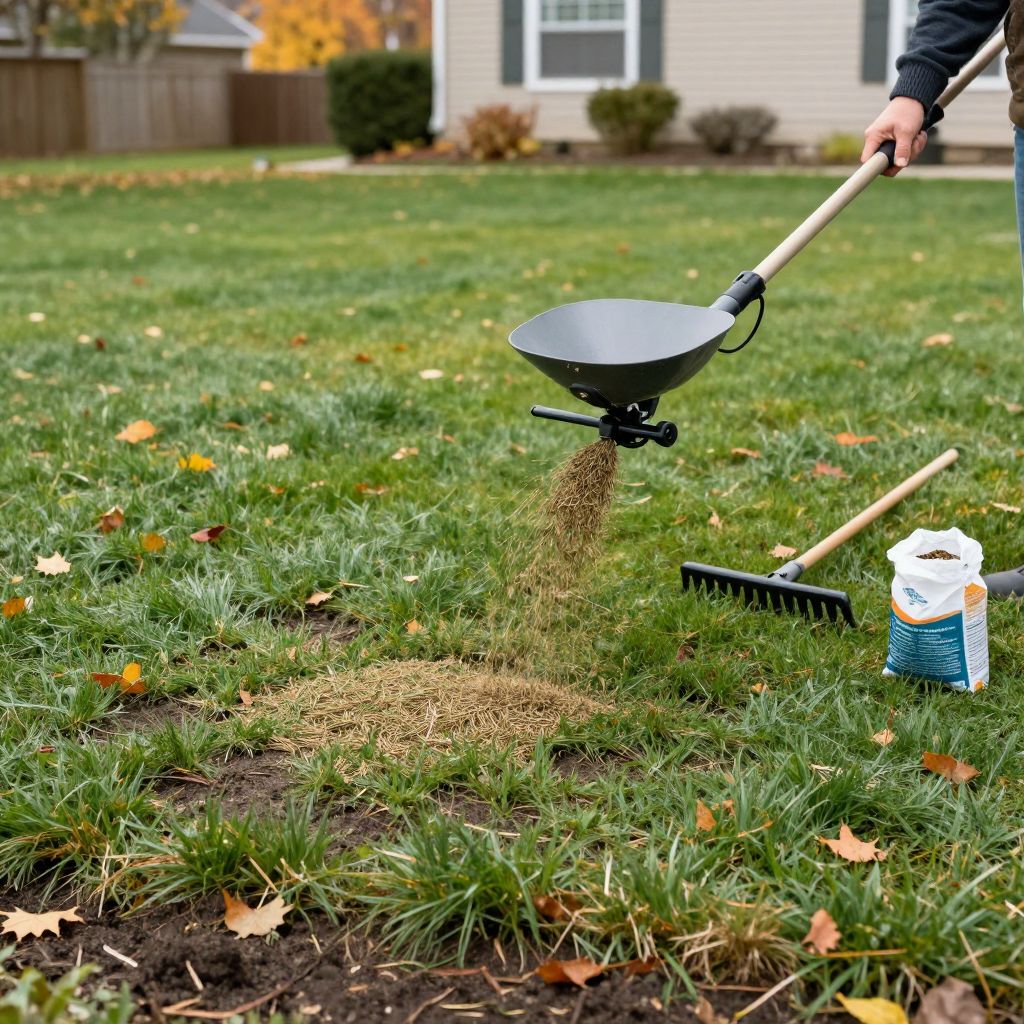
If you’re wondering, “Can you plant grass seed in the fall?” the short answer is yes—fall is often one of the best times to seed a lawn. Cooler air, warmer soil, and fewer aggressive weeds usually help grass establish more easily than in summer.
The best results come from matching your seed choice and timing to your local climate. With good soil contact, steady moisture, and a little patience, fall seeding can fill bare spots or start a new lawn successfully.
Can You Plant Grass Seed In The Fall?
Yes, you can plant grass seed in the fall, and for many lawns it is the ideal season. Soil is still warm enough for germination, while cooler days reduce stress on young grass. The key is to seed early enough for roots to develop before hard frost and to keep the surface consistently moist.
Why Fall Is a Good Time to Seed Grass
Fall offers several advantages that help grass seed establish.
- Warmer soil supports faster germination than spring soil that may still be cold.
- Cooler air reduces heat stress on seedlings.
- Fewer weeds means less competition for water, light, and nutrients.
- More predictable moisture from autumn rain can help, though you should still water as needed.
For cool-season grasses, fall is usually the strongest seeding window. Warm-season lawns can also be overseeded in some regions, but the timing and grass type matter a lot.
Cool-season vs. warm-season grasses
Cool-season grasses such as Kentucky bluegrass, perennial ryegrass, tall fescue, and fine fescue generally seed well in fall. Warm-season grasses like Bermuda grass, zoysia, centipede grass, and St. Augustine grass are usually established differently, and fall seeding is not always the best approach for them.
If you are not sure what grass you have, identify it before seeding. Mixing the wrong seed into an existing lawn can create uneven color, texture, and growth habits.
When to Plant Grass Seed in Fall
Timing depends on your climate, but the goal is to seed while the grass still has enough warm weather to germinate and root before winter. In many areas, that means late summer to early fall for cool-season grasses.
Use local weather, not the calendar alone
Instead of relying only on a date, look for these conditions:
- Daytime temperatures are starting to cool.
- Soil is still workable and not cold or soggy.
- You have at least several weeks of mild weather ahead before a hard freeze.
If frost arrives early in your area, seed earlier. If your fall stays mild for a long time, you may have a wider planting window. Local extension advice or regional lawn guides can help you narrow it down.
How to Prepare the Soil for Fall Grass Seed
Good seed-to-soil contact is one of the biggest factors in success. Grass seed cannot germinate well if it dries out on top of compacted soil or sits in thick debris.
- Clear the area of leaves, sticks, rocks, and dead grass.
- Loosen the top layer of soil with a rake or garden fork if the ground is compacted.
- Fill low spots so water does not pool and drown seed.
- Topdress lightly with a thin layer of compost or screened topsoil if the soil is poor.
- Rake the seed in so it is lightly covered, but not buried deeply.
Most grass seed should be planted shallowly. A light covering of about 1/8 to 1/4 inch is usually enough, depending on the seed type and soil texture.
Should you add compost?
A thin layer of finished compost can improve moisture retention and help poor soil support seedlings. Keep it light, though. A thick layer can smother seed or create an uneven surface.
How to Plant Grass Seed in the Fall
Whether you are overseeding an existing lawn or starting a new patch, the process is similar. The main difference is how much soil prep you need.
- Mow the lawn low before seeding an existing area, and bag the clippings if they are heavy.
- Rake aggressively to remove thatch and expose some soil.
- Spread seed evenly by hand or with a broadcast spreader.
- Rake lightly to improve contact with the soil.
- Press seed in with a lawn roller or by walking gently over the area if needed.
- Water immediately with a gentle spray so the surface is moist but not washed away.
For bare soil, you can also cover the seeded area with a very thin layer of clean straw or a seed blanket to help hold moisture and reduce erosion. Avoid thick mulch, which can block light and airflow.
Watering Newly Seeded Fall Grass
Young grass seed needs consistent moisture to germinate. If the top layer dries out, germination can fail or become patchy.
Keep the surface damp, not soggy
Water lightly and often enough to keep the top inch of soil moist. In many cases, that means short watering sessions once or more per day during dry or windy weather. Adjust based on rainfall, sun exposure, and soil type.
- Sandy soil dries faster and may need more frequent watering.
- Clay soil holds water longer, so water more carefully to avoid runoff.
- Shady areas may stay moist longer than full-sun areas.
Once seedlings are up, gradually shift to deeper, less frequent watering to encourage roots to grow downward. Avoid letting the area dry out completely during the first few weeks.
Sunlight, Shade, and Lawn Success
Grass seed needs enough light to establish, though shade tolerance varies by species. A lawn in dense shade may struggle no matter when you seed it.
Match the grass to the site
If your yard gets full sun, many common lawn grasses will do well if the soil and watering are right. In partial shade, choose a grass type known to tolerate lower light. In deep shade, you may need to thin tree limbs, improve light, or consider a different groundcover rather than forcing grass to grow where it will always struggle.
Fall seeding still helps in shaded areas because cooler temperatures reduce stress, but poor light remains a limiting factor.
Common Mistakes to Avoid
Fall seeding is straightforward, but a few mistakes can ruin results.
- Seeding too late leaves seedlings vulnerable to frost before roots establish.
- Planting seed too deep can prevent germination.
- Letting the soil dry out during germination causes thin or uneven growth.
- Using the wrong grass seed for your region or lawn type leads to poor performance.
- Applying too much fertilizer can burn seedlings or push weak, top-heavy growth.
- Mowing too soon can pull up young grass before it roots.
Another common problem is too much traffic. Keep pets, kids, and heavy foot traffic off newly seeded areas until the grass is established.
How to Care for New Grass After Fall Seeding
New grass needs protection while it is establishing roots and leaf blades. The first month is especially important.
Mowing
Wait until the grass reaches mowing height and is rooted firmly enough that it will not lift when gently tugged. Use a sharp mower blade and remove no more than one-third of the blade length at a time.
Fertilizing
Only fertilize if your soil and seed type call for it. A starter fertilizer can help in some situations, but overfertilizing can do more harm than good. If you are unsure, a soil test is the safest way to guide nutrient decisions.
Weed control
Be careful with weed killers around new grass. Many herbicides can damage seedlings. If weeds appear, hand-pulling is usually safer while the lawn is young. For existing lawns, read product labels closely before applying anything near fresh seed.
Troubleshooting Poor Germination
If your grass seed is not sprouting well, check the most common causes first.
- Dry soil: Seed may have dried out before it germinated.
- Poor seed contact: Seed sat on top of loose debris instead of touching soil.
- Old or low-quality seed: Germination can decline with age or poor storage.
- Wrong timing: Soil may have been too cold or a frost may have arrived too soon.
- Birds or erosion: Seed may have been eaten or washed away.
If germination is patchy, wait to see what fills in before reseeding. Sometimes the first seedlings emerge unevenly, especially in areas with mixed shade, compacted soil, or uneven watering.
Fall Lawn Maintenance After Seeding
Once the new grass is growing, keep the area clean and lightly maintained. Remove fallen leaves regularly so they do not smother seedlings or block sunlight.
As the lawn matures, gradually return to normal mowing and watering practices. Healthy fall growth can also improve spring performance because the grass enters winter with stronger roots.
Conclusion: Is Fall the Right Time for Your Lawn?
Yes, you can plant grass seed in the fall, and for many lawns it is the best season to do it. The key is to seed early enough, prepare the soil well, and keep the surface evenly moist until the grass is established.
If you want to improve your odds, start by identifying your grass type, checking your local frost timing, and preparing the soil before you spread seed. For more lawn care help, you may also want to read about overseeding an existing lawn and basic fall lawn maintenance.