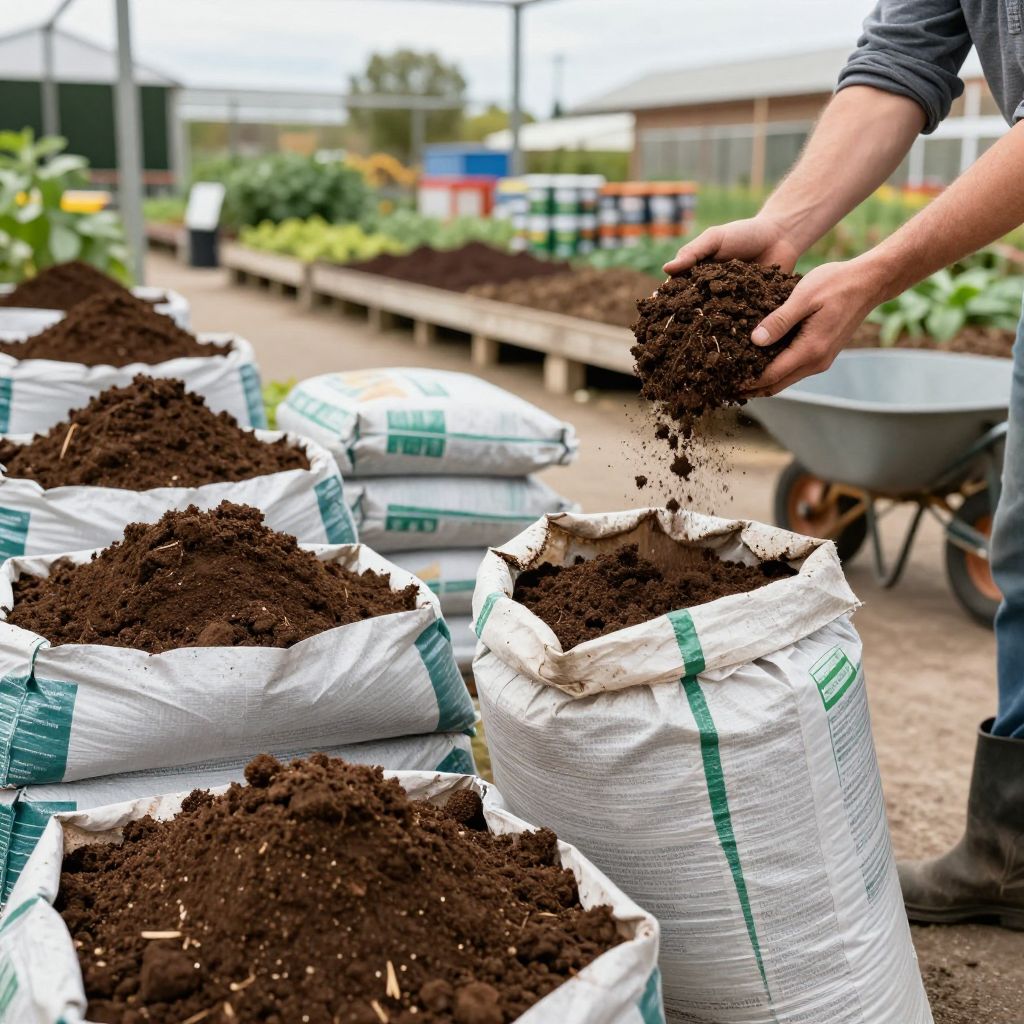
Looking for where to buy loam soil for your garden beds, lawn repairs, or container mixes? The best source depends on how much you need, what you’re growing, and whether you want screened, bagged, or bulk soil. Loam is prized because it balances sand, silt, and clay, giving plants both drainage and moisture retention.
Buying the right loam matters as much as finding it. A good product should be clean, crumbly, and free of rubble, weeds, and construction debris, so your plants can root easily and grow steadily.
Where to buy loam soil?
You can buy loam soil from garden centers, landscape supply yards, soil and compost suppliers, some nurseries, and reputable online retailers. For small projects, bagged loam is convenient; for beds, borders, and larger repairs, bulk screened loam is usually better value and more consistent.
Best places to buy loam soil
Garden centers and nurseries
Garden centers are often the easiest place to start if you need a few bags or want advice from staff. Many carry loam, topsoil blends, raised-bed mixes, or “garden soil” that includes compost and other amendments.
Check the label carefully. Not every product called “soil” is true loam, and some mixes are designed for filling, not planting.
Landscape supply yards
Landscape suppliers are a strong choice for larger amounts. They often sell loam by the cubic yard, and many can load it directly into a truck or arrange delivery.
This is usually the best option if you are building raised beds, top-dressing a lawn, or improving a wide planting area. Ask whether the loam is screened and whether it has been tested for contaminants.
Soil and compost companies
Specialized soil companies may offer higher-quality screened loam, custom blends, or organic options. They can be especially useful if you need a mix tailored for vegetable beds, turf repair, or landscaping.
If you are growing edibles, ask where the base soil came from and whether the product has been checked for stones, trash, or heavy metals.
Online retailers
Online shopping works well for small bagged purchases, especially if local stores are limited. It also helps when you want a specific brand or a specialty blend.
For large quantities, shipping costs can make online loam expensive. Compare the delivered price per cubic foot or cubic yard before ordering.
Big-box stores
Home improvement stores often stock bagged topsoil and soil blends, sometimes labeled as loam. These can be useful for patching spots, filling containers, or small repairs.
They are convenient, but quality can vary by brand and batch. Open a bag if possible and look for a fine, crumbly texture rather than compacted clods or debris.
How to choose good loam soil
Good loam should feel soft and friable, not sticky like clay or gritty like pure sand. It should hold together lightly when squeezed, then break apart easily.
- Texture: crumbly, even, and easy to work
- Drainage: drains well without drying out too fast
- Cleanliness: minimal rocks, glass, roots, or trash
- Smell: earthy, not sour or rotten
- Moisture: slightly moist is fine; waterlogged is not
If possible, ask for a product description or analysis. For planting beds, you want loam that supports roots, not fill dirt that is meant only for leveling.
What to avoid
- Soil with construction debris, plastic, or broken glass
- Very compacted material that forms hard clumps
- Strong chemical or sewage-like odors
- Unknown fill soil from unverified sources
- Weedy soil that may introduce invasive seeds
Bagged vs bulk loam: which should you buy?
Choose bagged loam for convenience and small jobs, and bulk loam for larger projects. The right choice depends on how much area you need to cover and whether you can store or transport the material.
Bagged loam is best for:
- Container gardening
- Small raised beds
- Spot repairs in lawns
- Mixing into a few planting holes
Bulk loam is best for:
- New garden beds
- Large landscaping projects
- Topdressing lawns
- Improving poor native soil across a wide area
A useful rule: if you need more than a few dozen bags, bulk delivery is often easier and less expensive. Just make sure your access route can handle delivery trucks.
When loam soil is the right choice
Loam is a versatile soil for many garden tasks, but it is not always the only thing you need. In some situations, compost, sand, or other amendments may be more appropriate depending on your native soil and plant needs.
Good uses for loam
- Vegetable beds and herb gardens
- Flower borders and perennial beds
- New lawns or lawn repair
- Tree and shrub planting areas
- Raised beds that need a balanced base
For containers, loam alone is usually too heavy. Most pots do better with a lighter potting mix that drains more freely than garden soil.
When to blend loam with compost
If your native soil is poor, adding loam can improve structure, but compost often boosts fertility and biological activity more effectively. Many gardeners use a mix of loam and compost to build planting beds.
A common approach is to work compost into the top layer of existing soil rather than replacing everything. This helps improve texture without creating a sharp boundary between layers.
How to use loam soil correctly
Even good loam can perform poorly if it is placed or handled badly. The goal is to preserve structure and avoid compaction, especially in beds where roots need air as well as moisture.
- Remove weeds, stones, and debris from the area first.
- Loosen compacted ground with a fork or spade.
- Spread loam evenly across the surface.
- Blend it lightly into the top layer if improving existing soil.
- Water gently to settle the soil without washing it away.
Do not overwork wet loam. Working saturated soil can crush its structure and leave it dense after it dries.
For raised beds
Fill raised beds with a soil mix that drains well but still holds moisture. Many gardeners combine loam with compost and other amendments rather than using straight loam alone.
Before planting, water the bed and check how fast it drains. If water sits for a long time, the mix may be too heavy.
For lawns
Loam is useful for topdressing thin or uneven turf. Apply a thin layer, usually no more than about 1/4 to 1/2 inch at a time, so grass blades are not smothered.
Rake it in lightly and water afterward if the weather is dry. For deeper leveling, work in stages instead of adding too much at once.
Seasonal and climate considerations
When you buy and use loam soil should match your local weather and planting season. In wet climates, drainage matters more; in hot, dry climates, moisture retention becomes more important.
In cooler seasons, soil may arrive wet and heavy, which makes it harder to spread. In dry weather, bagged loam may be dusty and harder to blend, so lightly moisten it before use if needed.
Adapting to your site
- Clay-heavy yards: use loam plus compost to improve drainage and workability
- Sandy soils: loam helps hold water and nutrients longer
- Low-lying areas: avoid adding heavy soil that worsens drainage problems
- Slopes: use erosion control and mulch to keep new loam in place
Common problems when buying loam soil
It looks like loam but behaves like fill dirt
Some products are sold as topsoil or garden soil but are too sandy, too clay-heavy, or full of filler. If the texture is inconsistent or the soil feels dead and compacted, it may not be suitable for planting.
It contains weeds or debris
Weedy soil can create long-term maintenance problems. Always inspect the product before spreading it, especially if it came from an unknown source or a bargain supplier.
It stays soggy
Heavy, poorly drained loam can suffocate roots. If your site already holds water, improve drainage first rather than simply adding more soil.
It dries out too quickly
Very sandy loam may need compost or mulch to help it retain moisture. This is especially important for young plants and newly seeded areas.
Practical buying tips before you order
Before you spend money, measure the area you want to cover. This helps you avoid underbuying or ending up with far more soil than you can use.
- Measure length, width, and desired depth
- Ask whether the soil is screened
- Confirm delivery fees and minimum order size
- Check whether the supplier offers returns or exchanges
- Read the product label for intended use
If you are unsure, buy a small amount first and test it in one bed or patch. That is often the safest way to judge texture, drainage, and cleanliness before committing to a larger order.
Conclusion: choose the right source, then test the soil
Where to buy loam soil comes down to your project size, budget, and quality needs. For small jobs, a garden center or big-box store may be enough. For larger beds or landscaping, a landscape supplier or soil company usually gives better value and more control over quality.
Before you spread it widely, test a small batch in one area and watch how it drains, settles, and supports your plants. If you want more help improving your beds after buying loam, you may also find it useful to read about choosing compost for garden beds and building the right raised bed soil mix.