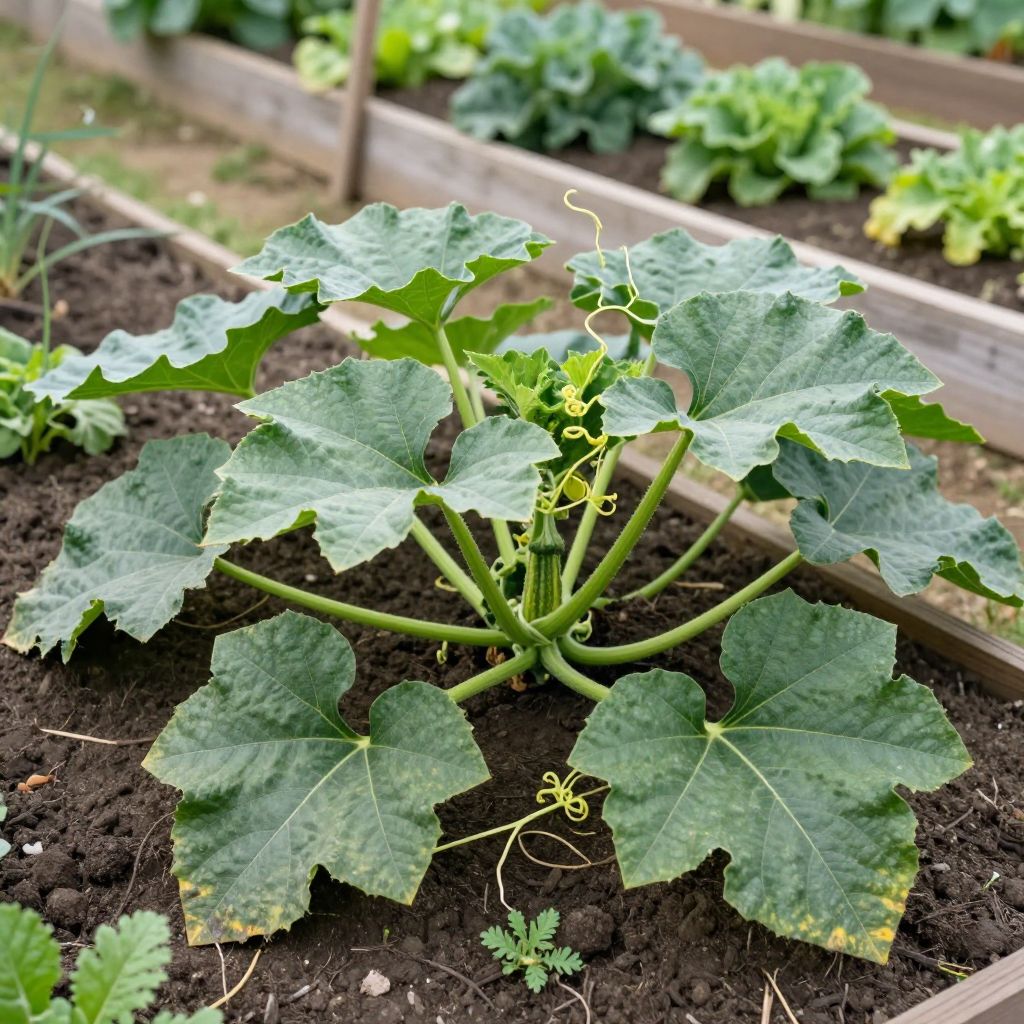
Wondering what do pumpkin plants look like before the vines take over the garden? Pumpkin plants start as low, sprawling seedlings with large, rough leaves and thick stems, then quickly become vigorous vines that can spread many feet. Their growth habit, leaf shape, and flowers make them easy to identify once you know what to look for.
In this guide, you’ll learn how to recognize pumpkin plants at every stage, how to grow them well, and how to spot common problems before they get out of hand. Whether you’re planting in a backyard patch or a large container, the key is giving pumpkins enough space, sun, warmth, and fertile, well-drained soil.
What do pumpkin plants look like?
Pumpkin plants are fast-growing annual vines with broad, lobed leaves, thick hollow stems, and large yellow-orange flowers. Young plants look compact at first, but they soon send out long trailing vines with rough, prickly textures. The leaves are usually large, slightly fuzzy, and shaped like open hands.
How to identify pumpkin plants at each growth stage
Seedling stage
When pumpkin seeds sprout, the first leaves are not the true pumpkin leaves. They are rounded seed leaves, called cotyledons, and they look simple and smooth compared with the mature foliage.
After that, true leaves appear. These are broader, more textured, and often shallowly lobed. At this stage, the plant may still look small, but it is already developing the vigorous growth that pumpkins are known for.
Young plant stage
As the plant grows, the stem thickens and begins to creep along the soil. You may notice fine hairs on the stems and leaves, and sometimes a slightly prickly feel. The plant starts producing longer internodes, which is why it quickly becomes sprawling.
One of the easiest ways to recognize a pumpkin plant is by its size and spread. Even young plants can begin to claim a surprising amount of ground once they get established.
Mature vine stage
Mature pumpkin plants form long vines that can branch and root where nodes touch the soil. The leaves become very large, often 8 to 12 inches across or more, depending on variety and growing conditions. They are usually deeply veined and rough to the touch.
Flowers appear on separate male and female blossoms. Male flowers usually show up first, followed by female flowers with a tiny swelling at the base that looks like a miniature pumpkin.
Fruit development
After pollination, the female flower’s small swelling enlarges into a pumpkin. The fruit changes color and texture as it matures, while the vine and leaves may begin to look older, more sprawling, and less tidy.
If you are trying to identify a pumpkin plant in the garden, look for a combination of features: large lobed leaves, thick trailing vines, yellow flowers, and a rough, sprawling habit.
What pumpkin plants need to grow well
Sunlight
Pumpkins grow best in full sun. Aim for at least 6 to 8 hours of direct light daily, with more sun usually giving stronger growth and better fruit development. In cooler climates, a warm, sheltered spot helps the vines get established faster.
Soil
These plants prefer fertile soil that drains well but still holds some moisture. A loose, compost-rich bed is ideal because pumpkin roots need both air and consistent access to water.
Before planting, work in compost or well-rotted organic matter if your soil is poor. Avoid heavy, soggy ground, because pumpkins dislike waterlogged roots and are more likely to develop disease in those conditions.
Space
Space is one of the most important parts of pumpkin care. Many varieties need several feet between plants, and the vines may spread much farther than beginners expect. If you are short on room, choose a compact variety and train it carefully, but still expect a substantial footprint.
How to plant pumpkin seeds or seedlings
- Choose a sunny site with rich, well-drained soil.
- Mix compost into the top layer of soil before planting.
- Plant seeds according to the packet depth, usually about 1 inch deep in warm soil.
- Water gently after planting so the soil settles around the seed.
- Thin seedlings if more than one comes up in the same spot, keeping the strongest plant.
If you start with transplants, handle them carefully because pumpkin roots do not like disturbance. Set them at the same depth they were growing in their pots and water them in well.
Warm soil matters. Pumpkin seeds germinate best when the soil is already warm, so planting too early into cold ground often leads to slow or uneven sprouting.
Watering pumpkin plants the right way
Pumpkins need steady moisture, especially while vines are growing and fruits are forming. The goal is to keep the soil evenly moist, not constantly soaked. Deep watering is better than frequent shallow sprinkling because it encourages deeper roots.
Try to water at the base of the plant rather than over the leaves. Wet foliage can encourage fungal problems, especially in humid weather or crowded plantings.
Signs of watering problems
- Too little water: wilting leaves, slow growth, and poor fruit set.
- Too much water: yellowing leaves, weak roots, and soil that stays soggy.
- Irregular watering: blossom-end issues, fruit stress, and uneven development.
If your soil dries quickly, mulch around the base with straw, shredded leaves, or another organic mulch. Keep mulch a little away from the stem to reduce rot.
Pruning, training, and maintenance
Most pumpkin plants do not need heavy pruning, but light maintenance can help manage space and improve airflow. Remove damaged leaves, and if vines are overcrowding each other, you can gently guide them away from paths or neighboring plants.
Some gardeners pinch back excess vines to focus energy, but be cautious. Over-pruning can reduce leaf area and slow fruit development because the plant needs healthy foliage to feed the pumpkins.
Simple maintenance checklist
- Check plants regularly for pests under the leaves.
- Keep weeds down so they do not compete for water and nutrients.
- Support developing fruit on dry mulch or boards if the soil is damp.
- Turn or position fruit carefully if you want more even color, without twisting the vine.
Common pests and diseases
Pests
Common pumpkin pests include squash bugs, cucumber beetles, and aphids. These insects can weaken the plant, damage leaves, and sometimes spread disease. Inspect the undersides of leaves and the base of stems regularly, especially during warm weather.
Hand-picking visible pests, removing badly infested leaves, and encouraging airflow can help in small gardens. Row covers may protect young plants early on, but they should be removed when flowers appear so pollinators can reach the blossoms.
Diseases
Pumpkins are prone to powdery mildew, especially later in the season when vines are large and air circulation is poor. You may also see downy mildew, bacterial wilt, or root problems in wet soil.
To reduce disease risk:
- Give plants plenty of space.
- Water at the soil line, not overhead.
- Remove heavily diseased leaves if needed.
- Rotate crops each year if possible.
- Avoid planting in the same spot where squash-family crops recently grew.
Container growing: can pumpkin plants be grown in pots?
Yes, but only if you choose a very large container and a compact variety. Pumpkins are naturally sprawling, so container growing is more challenging than growing them in the ground. A roomy pot, rich potting mix, and consistent watering are essential.
Use the largest container you can manage, with excellent drainage holes. Even then, expect to provide extra attention to moisture, feeding, and vine management. Container-grown pumpkins may produce fewer or smaller fruits than garden-grown plants.
When pumpkins flower and fruit
Pumpkin plants usually produce male flowers first, then female flowers later. If you see blossoms but no fruit, that does not always mean something is wrong. The plant may simply be in the early flowering stage or waiting for pollinators to do their job.
Pollination is important because each female flower needs pollen transferred to it for fruit to develop properly. Bees and other pollinators usually handle this work, so avoid spraying insecticides during bloom whenever possible.
Harvesting pumpkins at the right time
Harvest timing depends on the variety and your local weather, but ripe pumpkins usually have a hard rind, deep mature color, and a stem that begins to dry and toughen. The vine may also start to decline as the fruit finishes ripening.
Cut pumpkins from the vine with a sharp tool, leaving several inches of stem attached if possible. Handle them gently because bruising or stem damage can shorten storage life.
Signs a pumpkin is ready
- The skin is firm and resists fingernail pressure.
- The color has fully developed for the variety.
- The stem is dry or corky rather than green and tender.
- The vine may be fading, though not always completely dead.
Common mistakes to avoid
- Planting in cold soil too early.
- Giving pumpkins too little space.
- Watering shallowly instead of deeply.
- Letting vines sit in poorly drained soil.
- Ignoring early pest damage on the undersides of leaves.
- Removing too much foliage and reducing the plant’s energy supply.
Conclusion
Now you know what do pumpkin plants look like: broad, rough, lobed leaves on long trailing vines, with large yellow flowers and eventually heavy fruits. If you want healthy plants, focus on sun, rich soil, steady moisture, and enough room to spread. Start by checking your planting spot and preparing the soil well before sowing.
If you’d like to keep learning about growing vigorous vines and productive crops, consider reading more about how to grow squash successfully and vegetable garden soil preparation.