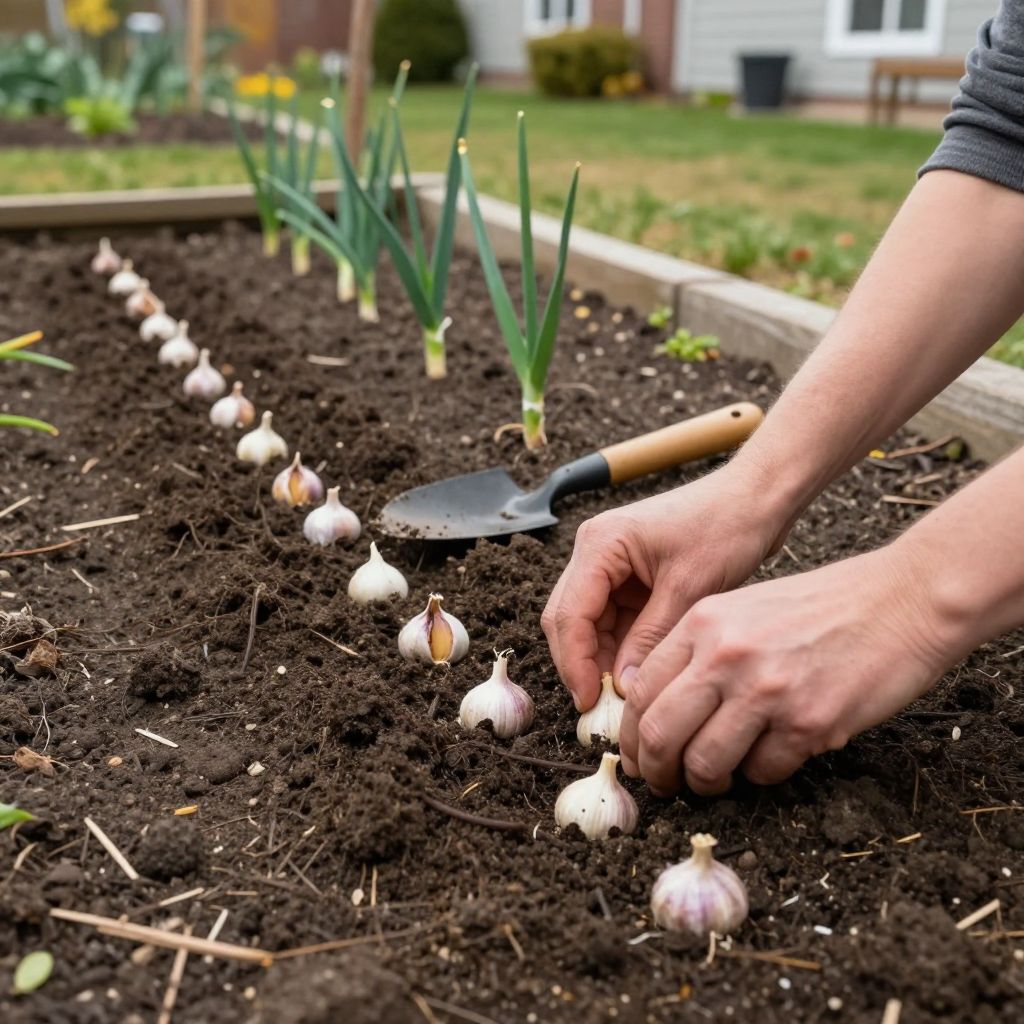
If you’re wondering when to plant garlic in Ohio, the short answer is fall—usually from mid-October through early November in most parts of the state. That timing gives garlic enough cool weather to root before winter, but not so much warm growth that the cloves waste energy before dormancy.
Planting at the right time matters because garlic needs a long, cold period to form full bulbs. In Ohio, fall planting almost always produces better-sized heads than spring planting, especially if you want firm cloves and good storage quality.
When to plant garlic in Ohio?
Plant garlic in Ohio in the fall, ideally about 2 to 4 weeks before the ground freezes. In many areas, that means mid-October to early November. The goal is to let cloves develop roots before winter while avoiding top growth that is too tall and tender.
Why fall planting works best in Ohio
Garlic is a cool-season crop that uses winter cold to trigger bulb formation. If you plant too early, the shoots may grow too much and suffer winter damage. If you plant too late, cloves may not root well enough to survive freezing weather.
Ohio’s climate varies from north to south, so your best planting window shifts a little depending on where you live:
- Northern Ohio: often late September through mid-October
- Central Ohio: often mid-October through late October
- Southern Ohio: often late October through early November
Use the weather, not just the calendar. If the soil is still workable and you still have a few weeks before hard freezes, you likely still have time.
Choosing the right garlic type for Ohio
For most Ohio gardeners, hardneck garlic performs very well because it handles cold winters and produces large cloves with strong flavor. Softneck garlic can also grow, but it is generally better suited to milder climates and may be less reliable in colder parts of the state.
Hardneck vs. softneck
- Hardneck garlic: usually better for cold winters, often easier to grow in Ohio
- Softneck garlic: often stores well, but may be less dependable in colder zones
Buy seed garlic from a reputable garden center or farm supplier. Avoid planting supermarket garlic if possible, since it may be treated to reduce sprouting or may not be adapted to local growing conditions.
How to prepare soil for garlic
Garlic grows best in loose, fertile, well-drained soil. Heavy clay can work if it is improved with compost and drainage, but soggy soil is one of the fastest ways to lose a crop.
Before planting, work the bed to a depth of about 8 to 12 inches. Mix in compost to improve structure and moisture balance. Garlic prefers a site that gets full sun, meaning at least 6 hours of direct sunlight per day.
Good soil conditions for garlic
- Loose, crumbly texture
- Good drainage
- Moderate fertility
- Full sun
- Neutral to slightly acidic soil is usually suitable
If your soil stays wet after rain, consider raised beds. That small change can make a big difference in bulb quality and disease prevention.
How to plant garlic cloves step by step
Garlic is grown from individual cloves, not from seed. Each clove becomes one bulb, so your planting material matters a lot.
- Separate the bulb into individual cloves just before planting.
- Choose the largest, healthiest cloves for planting.
- Plant each clove pointed end up and flat root end down.
- Set cloves about 2 inches deep in most Ohio gardens.
- Space cloves about 4 to 6 inches apart in rows or a grid.
- Leave about 10 to 12 inches between rows for easy weeding and airflow.
- Water lightly after planting if the soil is dry.
- Mulch with 3 to 4 inches of straw or shredded leaves after the soil cools.
Do not plant cloves too shallow. Shallow planting can expose them to winter heaving and temperature swings. A little depth helps protect them through freeze-thaw cycles.
Mulching garlic for Ohio winters
Mulch is especially helpful in Ohio because winter weather can change quickly. A layer of straw, shredded leaves, or similar organic mulch helps insulate the soil and reduce frost heaving.
Apply mulch after the ground has cooled but before it freezes solid. If you mulch too early, you may encourage extra top growth. If you mulch too late, the cloves may already have been stressed by cold.
Best mulch options
- Clean straw
- Shredded leaves
- Composted leaf mulch
In spring, gently pull mulch back a bit when shoots emerge so the plants can grow through it. Keep enough mulch in place to suppress weeds and conserve moisture.
Watering garlic the right way
Garlic needs even moisture while it is actively growing, but it does not like wet feet. In fall, natural rainfall is often enough after planting. In spring, water during dry spells so the soil stays evenly moist, not saturated.
As bulbs begin to size up in late spring, consistent moisture becomes more important. Then, as harvest approaches, reduce watering so the bulbs can mature and the outer skins can dry properly.
Common watering mistakes
- Overwatering in heavy soil
- Letting beds dry out completely during spring growth
- Watering late in the season when bulbs are nearing maturity
If you are unsure, check the soil with your finger. If the top inch is dry and the soil below is only slightly moist, it is usually a good time to water.
What to do after planting and through winter
Once garlic is planted and mulched, it needs very little attention before winter. In late fall, you may see a little green growth above the mulch, and that is normal as long as it is not excessive.
During winter, the plants are mostly dormant. Snow cover can actually help insulate the bed, while mulch protects the cloves from repeated freezing and thawing.
Winter care checklist
- Check that mulch stays in place
- Watch for exposed cloves after wind or rain
- Do not fertilize late in fall
- Do not disturb the bed unnecessarily
Spring care for strong garlic growth
When growth resumes in spring, garlic benefits from weed control, steady moisture, and good airflow. Weeds compete strongly because garlic has a relatively shallow root system.
Pull weeds by hand or use a hoe carefully so you do not damage the bulbs. Keep mulch in place to reduce weed pressure and help the soil hold moisture.
When to fertilize
If your soil is average, a light spring feeding may help, especially if the bed was not heavily amended before planting. Use compost or a balanced garden fertilizer according to label directions, but avoid overfeeding with nitrogen late in the season. Too much nitrogen can encourage leafy growth at the expense of bulb development.
Common garlic problems in Ohio
Most garlic problems in Ohio come from timing, moisture, or soil conditions rather than pests. Good drainage and proper planting time solve many issues before they start.
Poor bulb formation
If your garlic produces small bulbs, the likely causes are planting too late, overcrowding, poor soil, or too little sun. Garlic needs a long growing season and enough winter rooting time to size up well.
Rot and disease
Soft, rotting cloves usually point to wet soil or poor drainage. Avoid planting garlic in beds that stay soggy after rain. Rotate garlic away from the same spot for several years if possible to reduce disease buildup.
Yellowing leaves
Some yellowing of lower leaves is normal as garlic matures. But if the plants yellow early in the season, check for water stress, nutrient issues, or disease. Consistent moisture and healthy soil usually help.
Pests
Garlic is often less troubled by pests than many vegetables, but wildlife, onion maggots, and fungal issues can still appear. Healthy soil, crop rotation, and removing diseased plants promptly are your best defenses.
When to harvest garlic in Ohio
Garlic is usually ready to harvest in early to mid-summer in Ohio, often around June or July, depending on the variety and planting date. The clearest sign is when the lower leaves begin to brown while several upper leaves remain green.
Harvest too early and the bulbs may be small; harvest too late and the wrappers may split, reducing storage life. For hardneck garlic, many gardeners remove scapes in late spring so the plant puts more energy into bulb growth.
Harvesting tips
- Loosen the soil with a garden fork before pulling
- Lift bulbs gently to avoid bruising
- Do not wash bulbs after harvest
- Dry them in a shaded, airy place for curing
After curing, trim roots and tops if desired and store bulbs in a cool, dry, well-ventilated place.
Can you plant garlic in spring in Ohio?
You can, but spring planting usually gives smaller bulbs than fall planting. If you missed the fall window, spring planting is still worth trying for green garlic, young shoots, or smaller bulbs. Just know that the crop will not have the same head size or storage potential as fall-planted garlic.
If you do plant in spring, get cloves in the ground as soon as the soil can be worked. Choose the largest cloves, provide full sun, and keep moisture steady.
Simple garlic-growing success tips for Ohio gardeners
- Plant in fall, not spring, for the best bulbs
- Choose a sunny, well-drained bed
- Use large, healthy cloves
- Mulch after planting to protect against winter swings
- Water consistently in spring, but never let the soil stay soggy
- Watch for weeds, which compete strongly with garlic
- Harvest when the lower leaves brown and the bulbs are well formed
If you want the best results, start planning your garlic bed in late summer so you are ready for fall planting. A well-prepared site, the right planting window, and steady spring care will usually give you strong bulbs and a much better harvest.
For more practical seasonal guidance, you may also want to read about how to grow onions and fall garden planting tips.